



Mane opens experimental garden to develop new perfume plants and trial extraction methods

Key takeaways
- Mane has opened an experimental garden in France to cultivate perfume plants and preserve regional botanical heritage.
- The site will test regenerative agriculture, develop new plant hybrids, and trial extraction methods.
- A mobile field laboratory lets Mane link cultivation directly to ingredient development on-site.
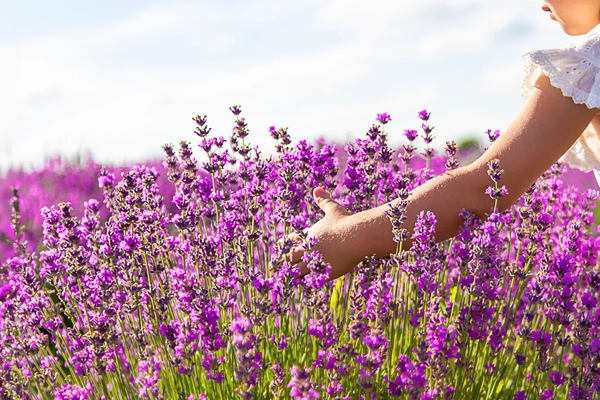
Fragrance house, Mane, has launched an experimental garden in Grasse, France, to deepen its roots in regional agriculture. The garden will cultivate emblematic species such as rose, jasmine, and tuberose, develop new plant hybrids, and serve as a testing ground for extraction techniques. These include the company’s redesigned enfleurage system, E-Pure Jungle Essence.
The company positions the project as an agronomic innovation hub designed to preserve the region’s botanical heritage while exploring new avenues for natural raw materials. It will operate as a living laboratory for agricultural science, with a focus on soil health, more resilient cropping systems, and improved farming practices. The area was created in partnership with local perfume-plant grower and farmer, Sébastien Rodriguez.
“This experimental garden embodies Mane’s commitment to passing on expertise, innovation, and the preservation of our region’s natural riches,” says Samantha Mane, president of the Mane Group. “Together with Sébastien Rodriguez, we aim to create a space where tradition and modernity feed off each other, to support various research projects on innovative hybrids, envisioning together the future of perfume and aromatic plants.”
Securing the raw material
The garden will cultivate numerous plants and varieties emblematic of the Grasse region, which Mane says will help perpetuate ancestral know-how, secure available plant material, and open the way for new botanical exploration. New hybrids developed in partnership with scientific institutes will also be grown on the site.
Regenerative agriculture practices will be tested to restore soil fertility, increase biodiversity, and strengthen crop resilience. The approach echoes a broader industry shift toward responsible natural sourcing.
The project arrives as climate pressure and rising traceability demands reshape the search for sustainable fragrance ingredients, pushing ingredient houses to deepen their backward integration into agronomy and raw-material security.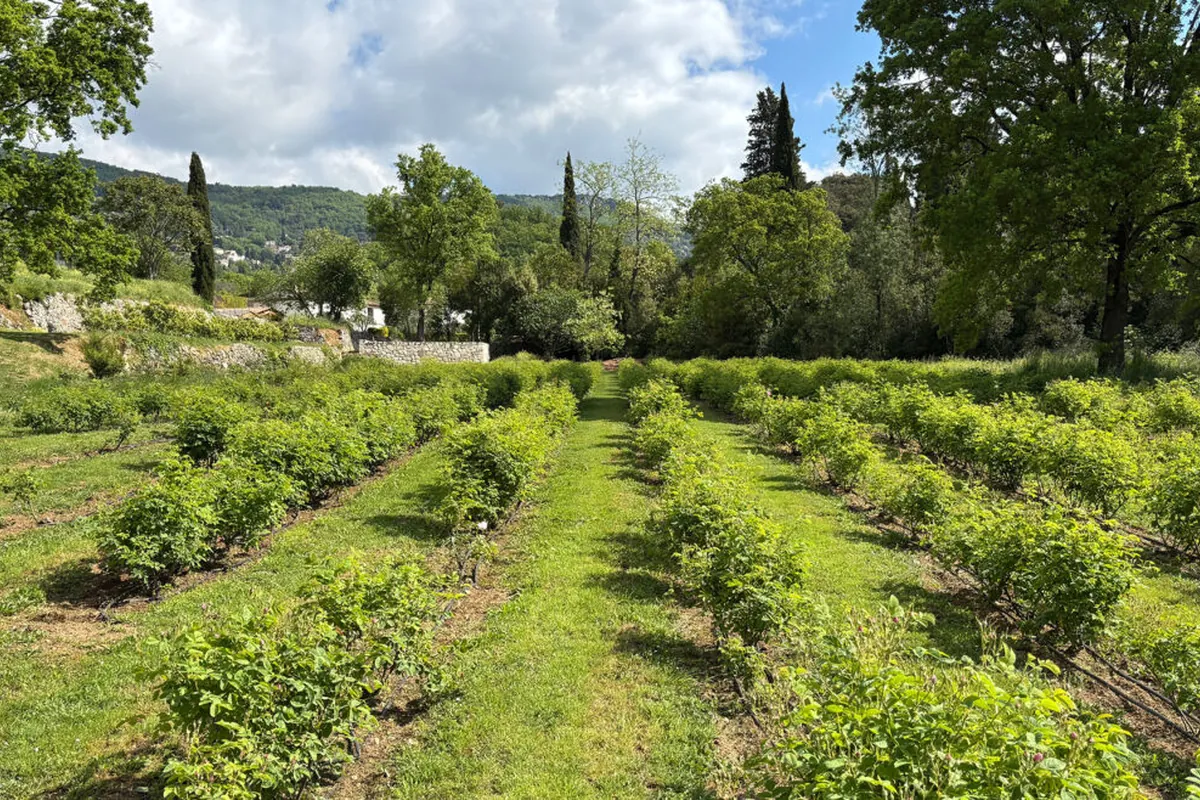 Mane unveils an experimental perfume-plant garden.
“For 25 years, I have been nurturing a passion for perfume plants, with a constant concern for respecting the land and promoting our heritage,” says Rodriguez. “I share with Mane a long-standing commitment to the local terroir and a strong belief in passing on knowledge to help preserve expertise.”
Testbed for extraction
Beyond cultivation, the garden will function as a trial site for new agricultural machinery and raw-material extraction techniques.
A mobile laboratory positioned directly in the fields will enable extractions using freshly harvested plants, linking upstream cultivation to downstream ingredient development.
Mane’s redesigned enfleurage system, E-Pure Jungle Essence, anchors the extraction work, alongside its Jungle Essence process, which uses the proprietary Jungle Kit to develop new olfactory signatures.
Testing extraction on-site, rather than transporting harvested material, lets the company tie cultivation directly to ingredient development.