




Cosmetics industry defends essential oils as EU reviews fragrance molecules
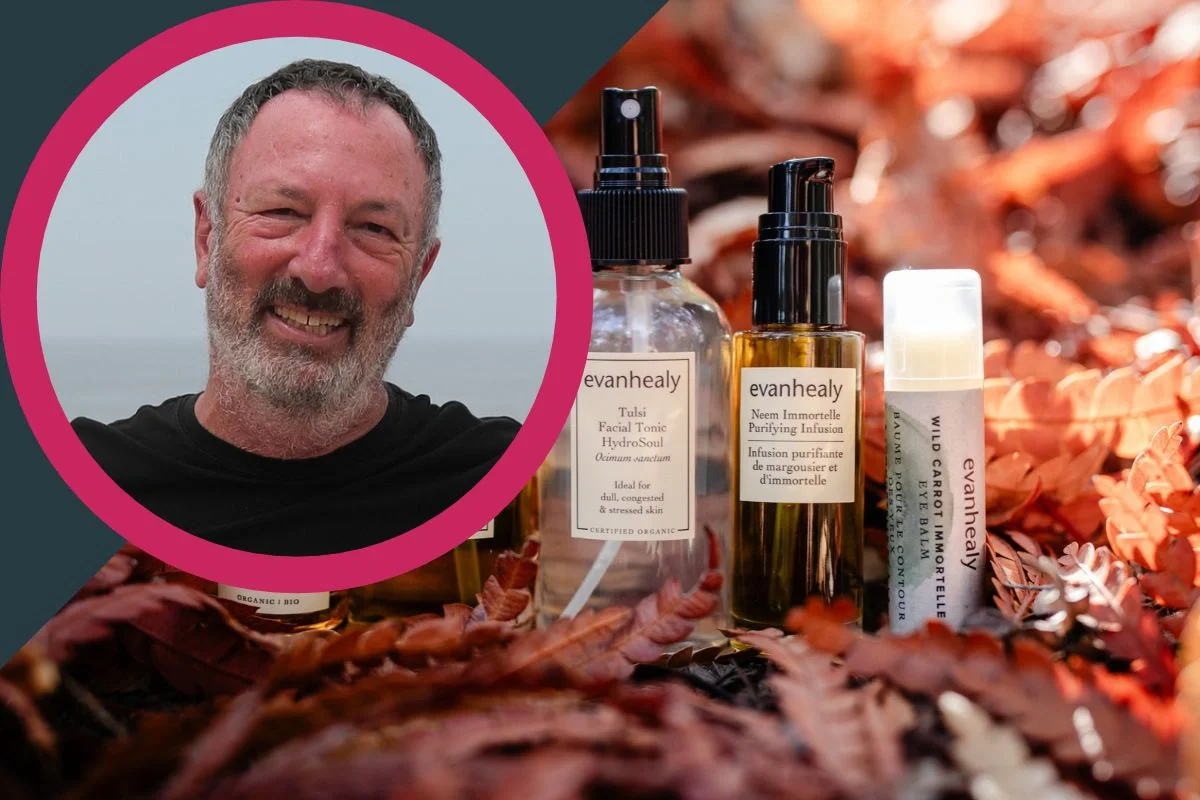
The European Commission has asked the Scientific Committee on Consumer Safety (SCCS) to assess the safety of cuminaldehyde and p-cymene for cosmetics. The two molecules occur naturally in essential oils and are used across fragrance and skin care. The commission reports that the industry has accepted that cuminaldehyde and p-cymene should not be added to cosmetics as standalone ingredients. What it seeks is permission for the traces that occur naturally inside cumin, thyme, and other essential oils. A formulator cannot take out the chemicals without removing the oil.This Technical Paper is brought to you by Cama Group.
Consumer Reports found heavy metals in nearly all braiding hair it tested, and volatile organic compounds in every sample. James Rogers, director and head of product safety testing at Consumer Reports, tells Personal Care Insights that no US federal agency clearly regulates the category, leaving labeling claims unchecked. He urges manufacturers to test ingredients and final products. Rogers also expects state rules and consumer spending to eventually drive change.
Settings
- Play Interval
- Slide Duration
- Thumbnail Bar Position
Latest headlines

K-beauty’s global impact Sep 2026

Sustainable beauty solutionsSep 2026
Multimedia
Consumer Reports found heavy metals in nearly all braiding hair it tested, and volatile organic compounds in every sample. James Rogers, director and head of product safety testing at Consumer Reports, tells Personal Care Insights that no US federal agency clearly...