



Anti-aging makeover: Inside preventative skin care’s “healthy aging” pivot

Key takeaways
- Brands are shifting from “anti-aging” to “healthy aging” marketing descriptors, emphasizing science-backed skin resilience.
- Skin care products are prioritizing cellular health, barrier support, and oxidative stress protection.
- Transparency and clinical validation are pushing brands to focus on performance claims, personalized experiences, and education.
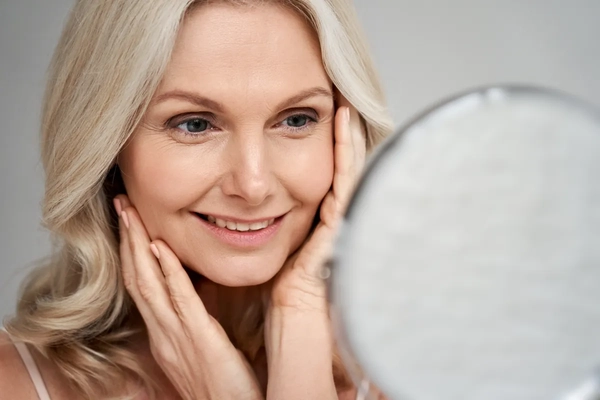
Beauty companies are increasingly aware that consumers expect scientific credibility and honest, transparent communication, causing inclusive aging to become central to brand positioning. Aging is now represented as a source of diversity rather than a condition to be corrected.
As a result, brands are showcasing a wider range of age groups, genders, skin types, and life stages in their marketing — ensuring that “healthy aging” is not limited to a narrow demographic.
Personal Care Insights takes a look at this evolving sector and speaks with experts from Olay, Eastman, and PhytoGaia. The experts detail a rising demand for science-backed messaging, ingredient precision, and microbiome-friendly formulations as factors reshaping anti-aging solutions.
Dr. Lindsey Zubritsky, a board-certified dermatologist at Olay, says people are seeking skin care that feels “more modern, realistic, and supportive of skin health over time.”
“We’re seeing a growing interest in science-backed products that support the skin’s natural processes, like surface cell renewal, collagen support, hydration, and barrier health. This is why conversations about skin longevity, cellular health, and prevention are becoming much more central.”
Ingredient technology is becoming more precise in addressing visible signs of aging, leading to the development of targeted, multi-functional formulations that support skin’s natural processes, reshaping product innovation.
“Today’s consumers want products that are both science-backed and realistic in their approach to aging. Olay has been leading this conversation by focusing on clinically tested ingredients, dermatologist and plastic surgeon-approved formulations, and visible skin-health benefits. The emphasis is no longer on perfection, but helping people feel confident in healthy skin at every age,” says Zubritsky.
As a result of rising demand for science-backed and multifunctional formulations, brands are moving toward formulations that support skin through different life stages. “That means launching more multitasking products and targeted treatments,” says Zubritsky.
Supporting the skin’s natural biological processes
The narrative shift from “anti-aging” to “healthy aging” reflects a broader evolution in how consumers and the industry perceive skin aging — not as a condition to be reversed or eliminated, but as a biological process to be supported.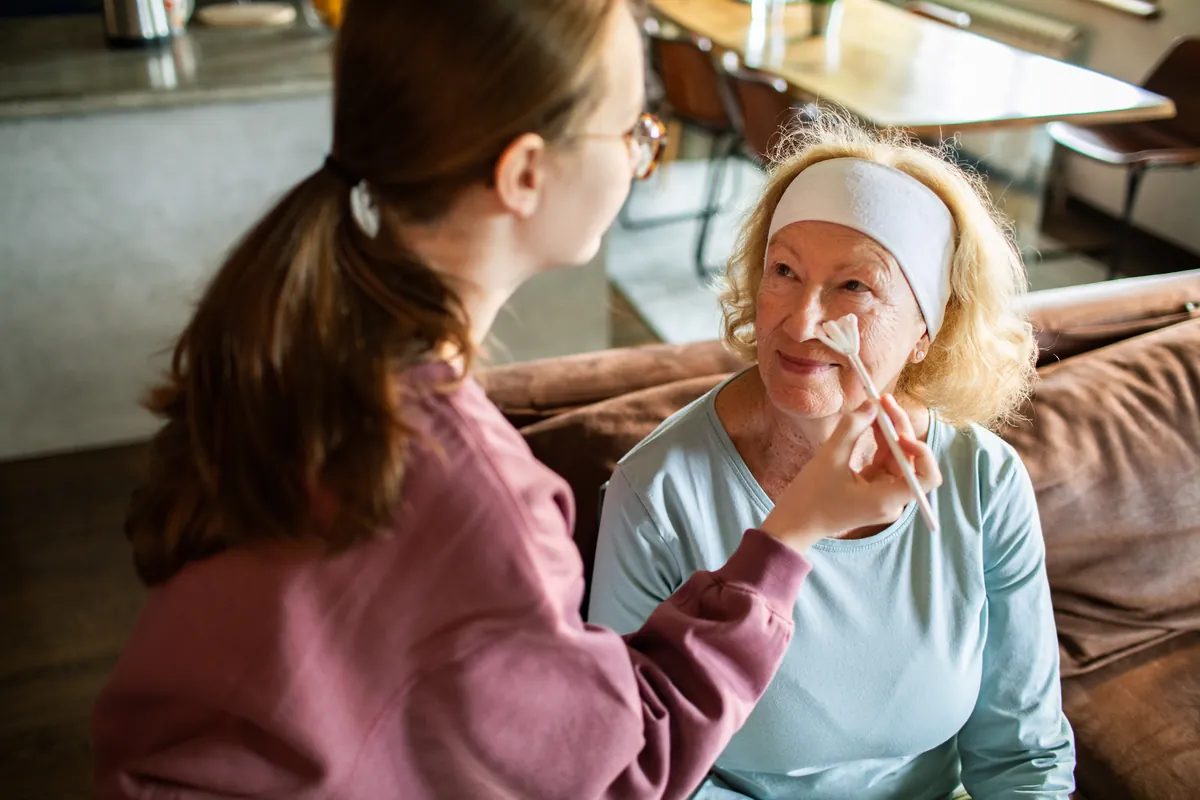 Today’s consumers are highly skeptical of exaggerated claims and are more receptive to evidence-based benefits.
Dr. Ariati Aris, scientific affairs specialist at PhytoGaia, tells us: “Consumers are increasingly aware that visible skin aging is closely connected to underlying cellular and systemic mechanisms such as oxidative stress, chronic low-grade inflammation, and reduced barrier efficiency. This had led to a fundamental reframing of skin care: from surface-level correction toward supporting the skin’s own resilience and functional health over time.”
Aris points to a growing resistance to traditional “anti-aging” messaging, which he believes can feel “overly corrective or unrealistic.” In contrast, “healthy aging” offers a more positive and science-aligned positioning that emphasizes maintaining skin health, strength, and adaptability across life stages rather than attempting to reverse aging itself.
“The rise of ‘healthy aging’ is not just a branding change but a reflection of a deeper convergence between skin care and longevity science, where the focus is shifting toward preserving the skin’s biological resilience rather than simply addressing visible signs of aging,” he says.
PhytoGaia observes that brands are increasingly adopting an “inside-out” approach, integrating topical skin care with nutricosmetics and lifestyle-based solutions. Aris says this reflects the growing understanding that skin health is influenced not only by external application but also by systemic factors such as nutrition, stress, and overall metabolic balance.
“Instead of targeting individual visible signs of aging, the industry is increasingly prioritizing ingredients and technologies that support underlying mechanisms such as oxidative stress, inflammation, lipid degradation, and barrier dysfunction,” he notes.
“There is a growing interest in multifunctional bioactives that can act across several pathways of skin aging. The emphasis has shifted toward more advanced, cell-protective compounds that can integrate into lipid structures and offer deeper biological protection.”
Aris details tocotrienols as key in supporting skin resilience. He says they are gaining attention for their potent antioxidant properties and role in protecting lipid structures from oxidative damage. He also outlines squalene for its moisturizing properties and role in supporting barrier repair.
Meanwhile, microbiome-friendly and barrier-first formulations are becoming a key direction in innovation. Strengthening the skin’s natural ecosystem is now seen as essential for long-term resilience, rather than short-term cosmetic improvement, Aris explains. 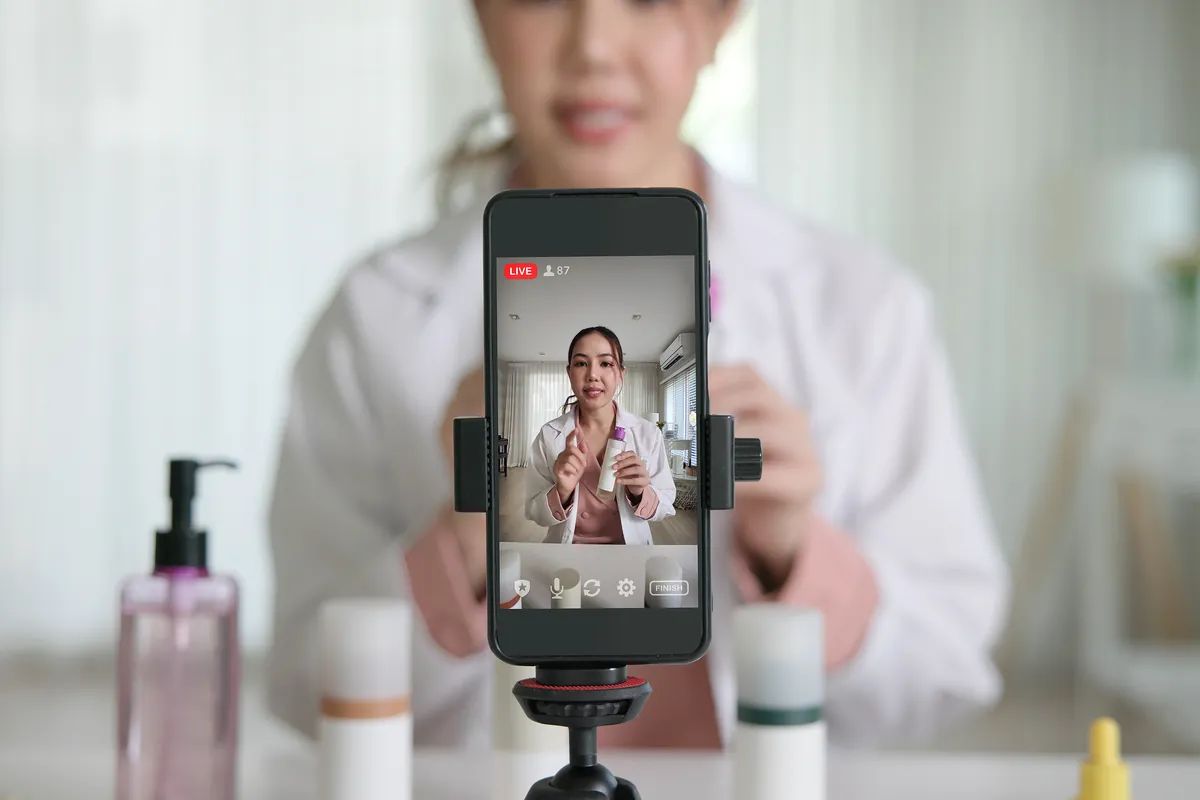 Social media has played a major role in shifting the conversation around aging toward transparency and education.
“From a technology perspective, advanced delivery systems such as encapsulation, liposomal carriers, and nanoemulsions are enabling better stability and more targeted release of active ingredients, improving both their penetration and performance in the skin.”
Long-term goals to support healthy aging
For Lauren Leonard, global market development manager at Eastman, consumers are increasingly prioritizing long-term skin health and proactive care to support healthy aging.
“One of the main contributors to premature visible aging is sun exposure, which can lead to collagen breakdown,” she says. “Sunscreen is no longer just an option — it has become an essential step in the skin care routines promoted by many cosmetic brands.”
How sunscreen has turned into a routine product exemplifies how brands are prioritizing high-performing ingredients in anti-aging innovations.
High-performing, mild active ingredients continue to play an important role in new product development as brands create daily skin care routines that support healthy aging. “Demand for these types of ingredients is being driven by growing consumer demand for products that deliver anti-aging benefits while also helping minimize the irritation, redness, and peeling that can be associated with some traditional anti-aging ingredients.”
“Brands that can combine proven performance with transparency, inclusivity, and messaging that genuinely reflects women’s lived experiences will be better positioned to build trust, close satisfaction gaps, and create stronger connections with consumers across every stage of life.”
Future of aging
For Aris at PhytoGaia, the concept “the beauty of aging” is expected to become more deeply rooted in science-backed and biology-driven approaches. She expects it to influence formulation, branding, packaging, and consumer experience.
“From a formulation perspective, the focus will continue shifting toward skin longevity and long-term skin health rather than short-term visible correction. This means greater emphasis on scientifically supported mechanisms such as barrier integrity, oxidative stress protection, inflammation control, and cellular resilience,” he says.
“Multi-functional, evidence-based ingredients and systems-based formulations will become more important as consumers demand products that are both effective and scientifically substantiated.”
In packaging and product design, Aris predicts a move toward simplicity, transparency, and sustainability with clearer communication of science-backed benefits. Instead of overstated claims, brands will highlight validated results, active mechanisms, and ingredient functions more educationally and transparently.
He also flags that branding will evolve into a more inclusive, science-informed direction, positioning aging as a biological process that can be supported through evidence-based skin care. 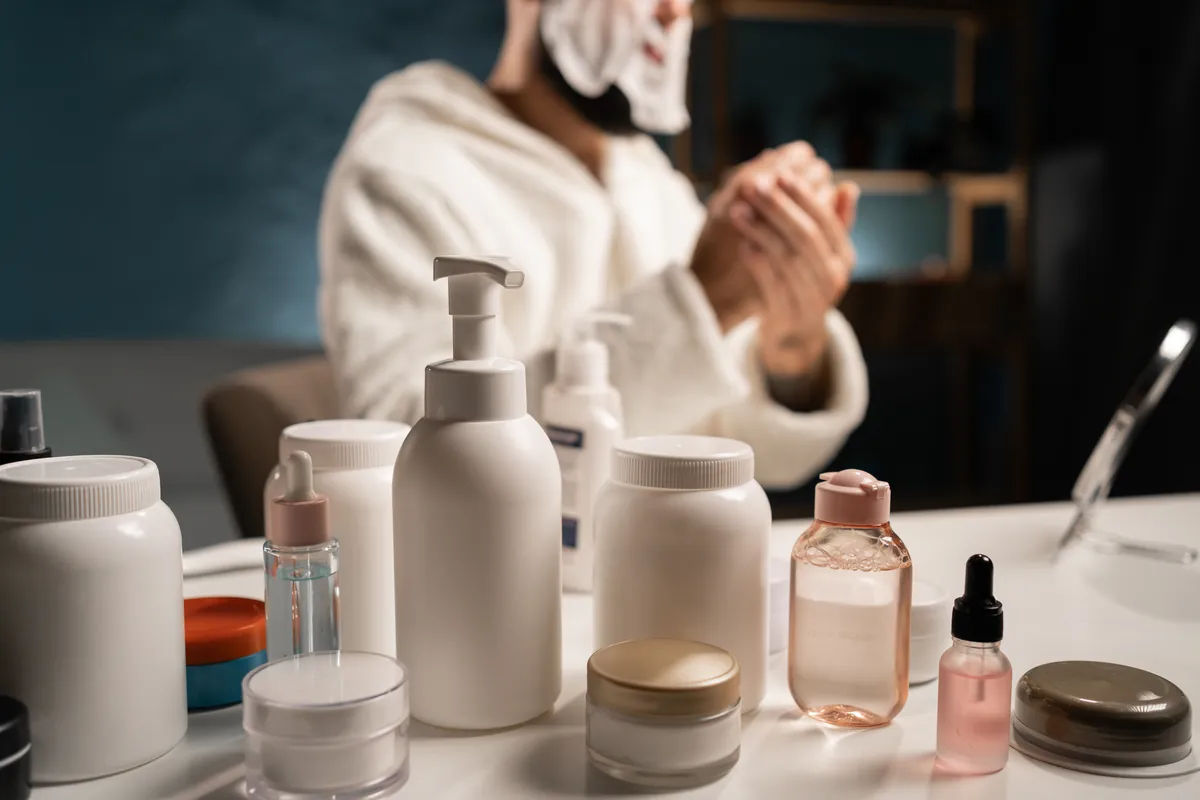 Healthy aging messaging is bringing in a new era of anti-aging inovation.
“Additionally, in retail and consumer experience, personalization and education will play a larger role, supported by science-based diagnostic and AI-driven tools that help guide more informed, data-backed skin care choices,” says Aris.
For Eastman’s Leonard, the future of aging will continue to evolve from a focus on reducing visible signs of aging to a broader celebration of healthy skin, confidence, and individuality.
She explains: “Across formulation, packaging, branding, and retail, the industry will increasingly prioritize solutions that are high-performing, inclusive, intuitive, and sustainable, while delivering more personalized and empowering consumer experiences.”
For Zubritsky at Olay, the future of healthy aging in beauty will become “even more focused on skin longevity, preventative care, and non-invasive innovation.”
“We’ll continue to see growth in products inspired by in-office procedures but formulated for at-home use, alongside technologies that support collagen, barrier function, and overall skin resilience,” she concludes.