


K-beauty fuels ingredient literacy across global beauty, says Kiss New York


Key takeaways
- Kiss New York has debuted a 25-piece K-beauty collection on Amazon, manufactured in Korea and designed in New York.
- The line splits into three tiers — Medi, Derma, and Lab — built around concern, ingredient, format, and routine.
- Julia Kim says K-beauty’s lasting influence is ingredient education and efficacy, not any single aesthetic trend.
South Korean beauty is no longer a separate category as Western brands absorb its textures, actives, and routine logic.
Western beauty brands are taking cues from Korean skin care innovation, particularly around textures, ingredient-focused formulations, and products that combine convenience with efficacy.
Exemplifying the cultural beauty exchange is the Korean-American cosmetics brand, Kiss New York. It recently made its Korean skin care debut on Amazon with a 25-piece K-beauty collection.
The brand says the launch is a natural extension of its Korean heritage and 37 years of localization expertise, reimagining Korean skin care innovation for today’s shopper.
Julia Kim, brand experience marketing specialist at Kiss New York, speaks to Personal Care Insights about how K-beauty continues to shape the global skin care conversation.
“K-beauty’s broader impact extends beyond individual trends — it has helped shift consumer expectations around innovation, ingredients, efficacy, and the overall product experience. Its influence will likely continue to evolve as these principles become increasingly integrated across the global beauty industry.”
Kim says that consumers are progressively looking for products that deliver a sensorial experience while also providing visible results. She predicts that K-beauty will continue to influence the industry through sophisticated formulations and multifunctional products.
Western–K-beauty crossover
Kiss New York’s new line was manufactured in Korea and designed in New York. It is said to bring together two sides of the brand’s heritage: Korean beauty expertise and an “understanding of what US consumers want from their beauty products.”
“The collection was created for beauty shoppers who want the ingredients, formats, and innovation they are seeing everywhere, but in a way that feels easy to understand, easy to use, and easy to add to their routines,” says Kiss New York.
Kiss New York positions itself as making trend-forward beauty feel accessible, and is bringing that approach to its K-beauty Series.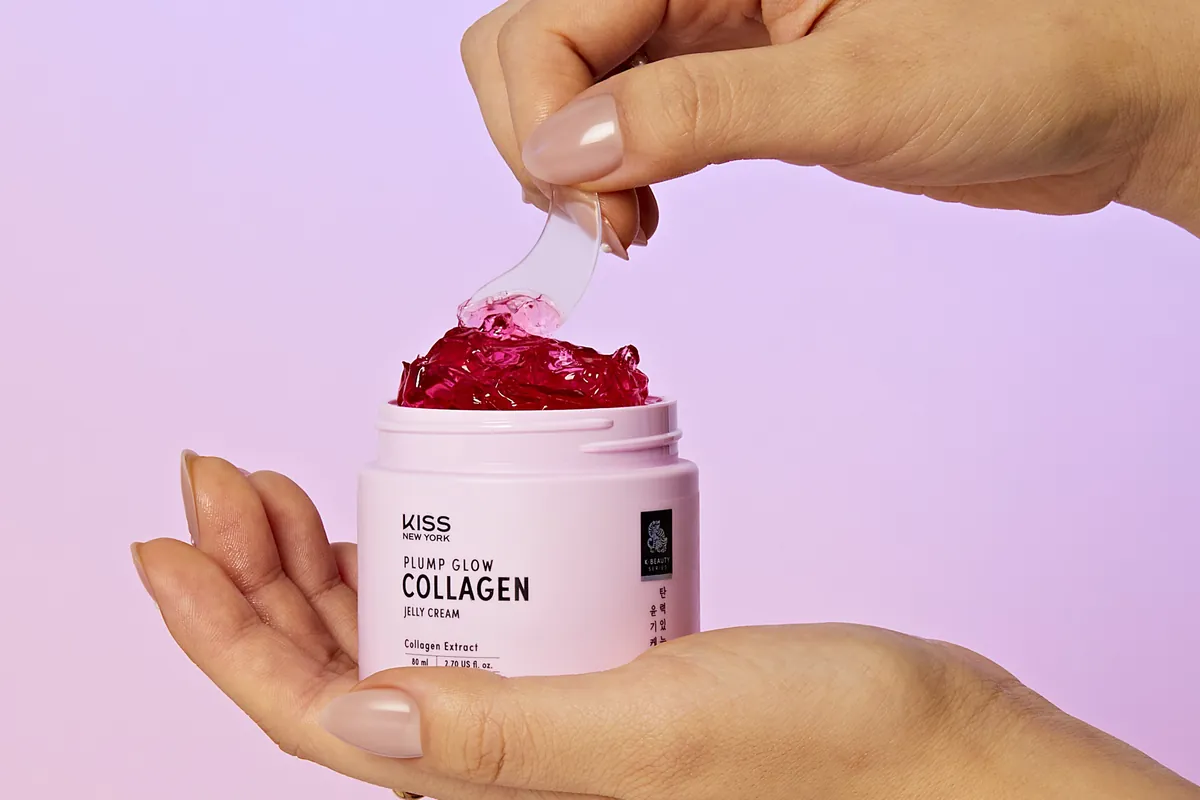 Kim says K-beauty has permanently shifted consumer expectations around ingredients and efficacy.
Kim explains that the adoption of K-beauty principles by Western companies has helped accelerate innovation across the broader beauty industry.
“Rather than remaining a distinct category, K-beauty has increasingly influenced how brands approach product development, ingredient storytelling, textures, routines, and consumer education.”
Ingredient intelligence
Kiss New York names trending Korean beauty formats from hydrogel masks and barrier-focused formulas to ingredient-led products powered by collagen, PDRN, snail mucin, and retinol.
“One of K-beauty’s most significant contributions has been its focus on innovative and targeted ingredients. Ingredients such as niacinamide and hyaluronic acid have become increasingly familiar to consumers,” says Kim.
“K-beauty has helped make ingredient education and intentional formulation an important part of the consumer conversation.”
Part of the collection, Radiant Glow Vita Capsule Cream, features vitamin C, niacinamide, glutathione, and salmon PDRN. The liposome capsules melt into the gel formula to reduce dark spots and repair the skin barrier.
Meanwhile, the Vita Hydra Serum has a proprietary Deep Hydration Complex of five types of hyaluronic acid and ceramide NP. It relieves tightness and locks in moisture for a plump, smooth finish. It also includes centella asiatica to soothe sensitive skin.
Kim says that the personal care industry has also placed greater emphasis on formulations designed with sensitive skin in mind, a principle strongly highlighted in K-beauty.
Trends do not trump efficacy
Another key beauty trend that came out of K-beauty’s rise is “glass skin.”  Kim points to ingredient education as K-beauty’s most durable contribution to global beauty.
“The ‘glass skin’ aesthetic has long been associated with K-beauty and continues to influence product development, particularly as the industry moves toward more advanced at-home skin care technologies and clinically tested products,” explains Kim.
The Kiss New York Plump Glow Collagen Jelly Cream is said to be “glass skin in a jar.” The allergen-free pink jelly cream melts into the skin and is “packed with K-beauty powerhouses” such as collagen extract, salmon PDRN, and vitamin B12.
Kim clarifies that relying on a trending skin outcome or ingredient alone does not make for a successful product.
“While virality can accelerate awareness and consumer interest, efficacy ultimately comes down to formulation, testing, and consistent results. We view viral trends as an opportunity to engage consumers while ensuring that product performance is supported by substantiated claims and meaningful efficacy,” she says.
The Plump Glow Collagen Jelly Cream was clinically tested and proven to increase skin hydration by 22%.
Shaped by how consumers shop
Kiss New York’s 25-piece collection is divided into three targeted lines: Medi, Derma, and Lab.
Medi is the professional-inspired treatment line. It is led by overnight hydrogel masks designed to target specific skin care concerns with “high-performance formats.”
Derma is the gentle, skin-focused line centered around intensive serum sheet masks. It is created to support daily skin care needs and emphasizes comfort, efficacy, and compatibility with sensitive skin.
Lab is the ingredient-driven line. It is built for consumers who shop by active ingredients, formulas, and visible performance.
The lines are said to be designed around the way consumers shop now: by concern, by ingredient, by format, and by routine. 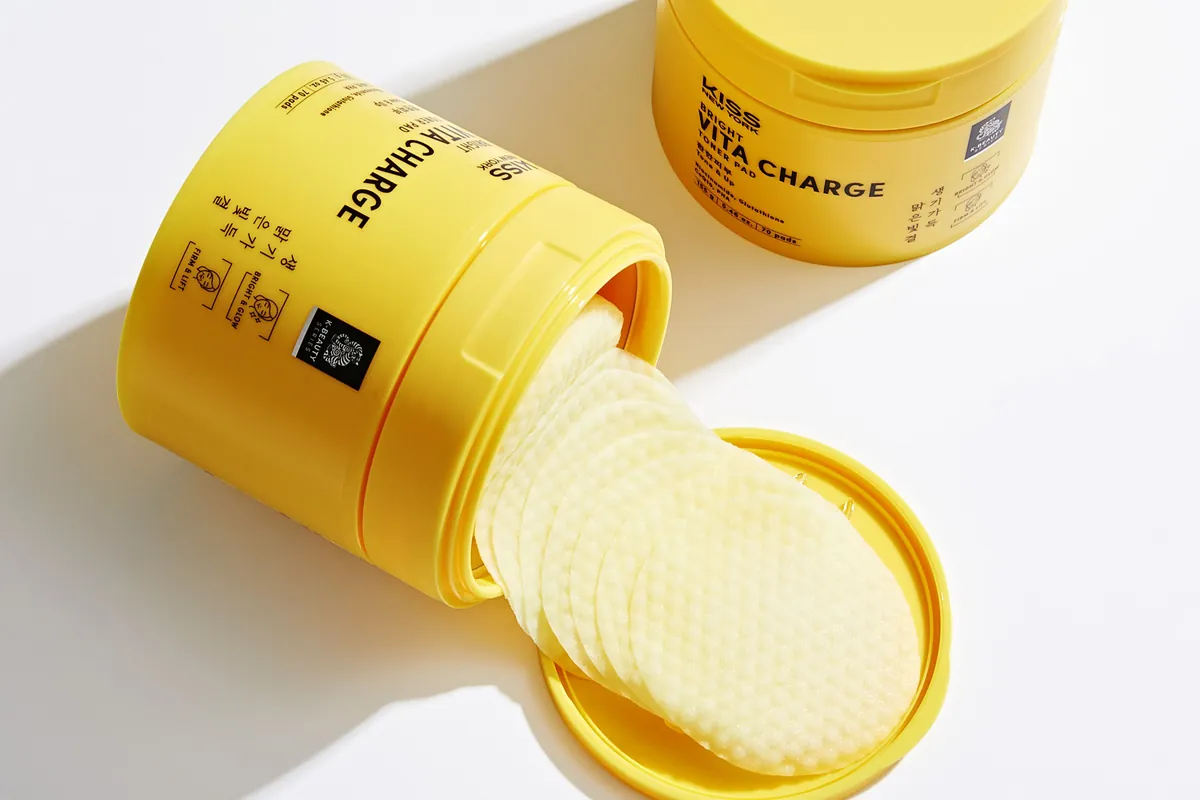 Kim argues that virality builds awareness, but formulation and testing deliver the results.
When predicting how K-beauty will continue to shape consumers’ expectations in cosmetics, Kim says she expects the next evolution to be less about a single aesthetic trend and more about multifunctional products that combine skin care benefits with other aspects of personal care.
“Skin care ingredients and concepts are already increasingly being incorporated into color cosmetics, reflecting consumers’ desire for products that provide both immediate aesthetic benefits and longer-term care. Moving forward, ingredient-conscious formulations, skin health, and multifunctionality will likely remain central to innovation.”
Kim also says that hair and scalp care are emerging as particularly strong areas of opportunity, with greater attention being placed on scalp health as an extension of overall personal care.
“Body care is also evolving, with skin care-inspired approaches such as targeted treatments and exfoliation increasingly moving into the category. We expect these areas to continue gaining momentum as consumers adopt more comprehensive, head-to-toe routines.”
Kiss New York says it will continue rolling out products for its K-beauty series.