




Coty sharpens prestige focus with Marc Jacobs deal and French job cuts

Key takeaways
- Coty extends its Marc Jacobs license, securing a 40-year duration.
- Unions say Coty plans to cut 155 of its roughly 200 French jobs.
- Prestige brands grow in Q1 as Coty’s mass cosmetics review nears completion.
Coty appears to be narrowing into a prestige-centered fragrance and cosmetics business. In the span of a week, three developments from the US beauty group point to restructuring toward a leaner, prestige-led company, with mass-market beauty increasingly sidelined.
Last week, Coty extended its Marc Jacobs license, securing one of its core prestige brands for four more decades. The beauty giant touts the brand’s fragrance success and highlights a new scope centered on makeup.
The same day, Coty’s first-quarter results showed the company’s leading prestige brands recovered, but that the business as a whole shrank.
Days later, trade unions reported that the company plans to cut most of its French workforce. Mass-market cosmetics sales roles are expected to be hit the hardest.
Marc Jacobs: fragrance anchor, makeup upside
Coty has announced a long-term extension of its Marc Jacobs license with WHP Global and G-III Apparel Group. The brand management firm and the apparel group co-own the Marc Jacobs brand, giving the license a 40-year duration.
The partnership dates back to 2003 and has produced fragrance pillars including Daisy Marc Jacobs, Daisy Wild, and Perfect Marc Jacobs. Coty says these scents now rank among the top 10 to 15 prestige female fragrances in the US, UK, Canada, and Australia.
The deal also extends Coty’s reach beyond fragrance.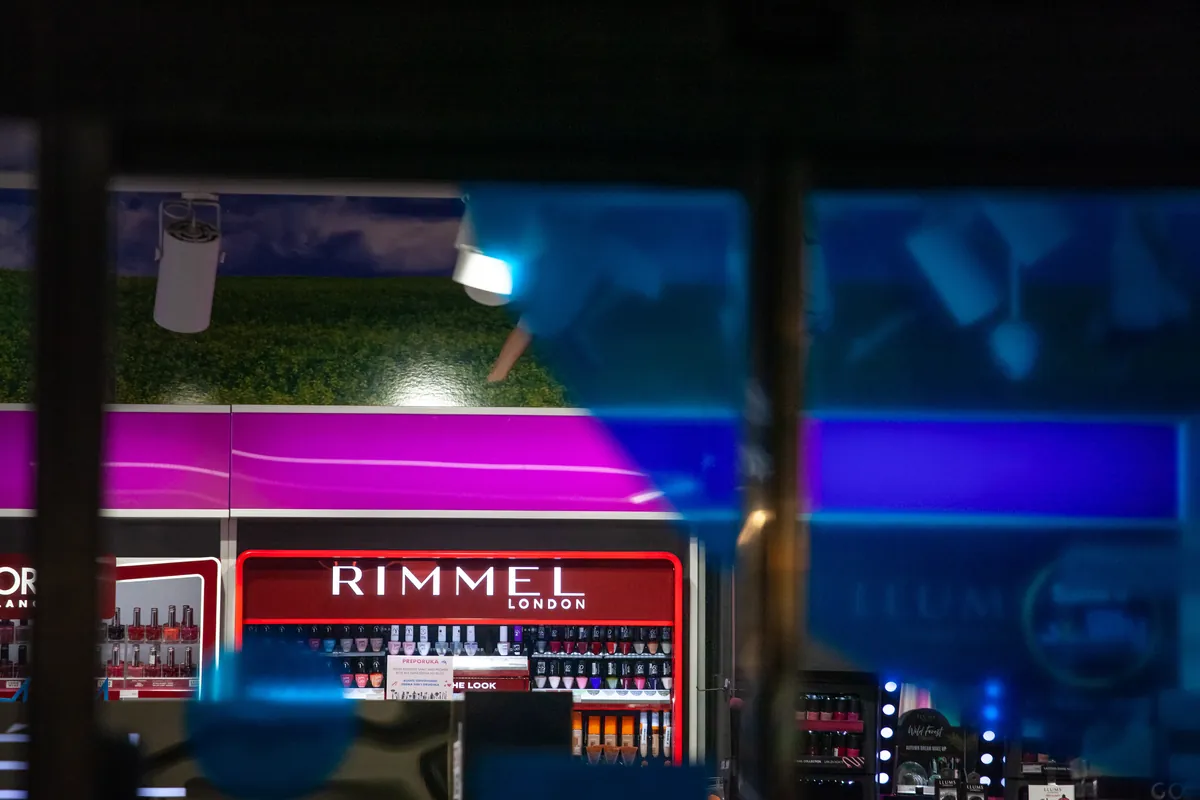 Rimmel and Bourjois sit within Coty’s mass cosmetics review.
The extended license aims to give the cosmetics and perfume group scope to take Marc Jacobs Beauty into new markets and categories, while fragrance remains the anchor.
Morris Goldfarb, chairman and CEO of G-III Apparel Group, says: “The renewed agreement reflects our shared confidence in Marc Jacobs’ long-term potential and our ambition to grow the brand around the world.”
Starting in June, Marc Jacobs Beauty makeup returned online and in hundreds of Sephora stores across the US, UK, Australia, and Canada. Coty says retail sales are already ahead of target, with the range ranking among the top 20 makeup brands at Sephora UK and Australia–New Zealand, and its eyeliner and eyeshadow in the top five at Sephora US.
The company adds that the makeup launch is driving a halo effect on the brand’s core fragrance business — success in one category is drawing shoppers to the wider Marc Jacobs line.
“Marc Jacobs is a powerful global brand with tremendous momentum and opportunity ahead. Beauty is an important part of the brand’s connection with consumers, and Coty has been instrumental in building Marc Jacobs’ fragrance business and relaunching Marc Jacobs Beauty,” says Yehuda Shmidman, founder, chairman and CEO of WHP Global.
Marc Jacobs Beauty first launched in 2013 through Kendo, LVMH’s beauty incubator. But it was discontinued at the end of 2021 when that partnership ended. Coty, which has held the Marc Jacobs fragrance license since 2003, expanded its agreement to cover makeup in 2023 and brought the line back to market in 2026.
The extension comes as Coty prepares to give up its most prestigious license. In July, Coty agreed to return the Gucci Beauty license to Kering a year early, with L’Oréal set to take over Gucci Beauty from July 1, 2027.
Coty will continue operating Gucci Beauty through at least June 30, 2027, and will receive approximately US$400 million in two installments. The first US$250 million, with free cash flow, has cut Coty’s net debt by over US$300 million since June.
French cuts center on mass-market
Representatives of the CGT (General Confederation of Labor) and CFDT (French Democratic Confederation of Labor) unions told the Agence France-Presse (AFP) that Coty is planning to cut 155 of its 200 jobs in France.
According to the CGT, Coty’s French workforce includes around 100 people in Paris working in marketing, sales, and supply chain, plus about 50 field salespeople and promoters. The unions say close to 100 of the jobs at risk are tied to mass-market retail sales.  Coty’s top six prestige brands return to growth.
Coty has not confirmed the figures. In a statement yesterday, the company said the proposal for France, which is subject to local labor law, includes a restructuring plan for its mass-market beauty business and a revision of its prestige operating model in the country.
The prestige-focused beauty group framed the move as part of a strategy to build a simpler, more focused, and sustainable organization. Further consultation is scheduled for late this month.
According to AFP, union sources suspect Coty wants to shed staff so it can more easily sell mass cosmetics brands such as Bourjois and Rimmel. This has not been confirmed by Coty.
The potential job cuts arrive as the company nears the end of the strategic review of its Consumer Beauty division, launched in September 2025. In its Q1 results, Coty said it remains committed to completing the review by the end of calendar 2026.
The French plan follows the company’s global restructuring announced in April 2025 that targeted approximately 700 positions. It also comes after a leadership reset that put Markus Strobel as executive chairman and interim CEO on January 1 this year.
Prestige core recovers, but group shrinks
Coty’s Q1 numbers show the business’ strengths. In the quarter ended September 30, 2026, net revenue fell 1% to US$1.56 billion, or 2% on a like-for-like basis. Prestige net revenue hit US$1.06 billion, representing 68% of total sales. It declined 1% on a reported and like-for-like basis.
However, in Prestige, Coty’s top six core brands (Hugo Boss, Burberry, Calvin Klein, Marc Jacobs, Chloé, and Kylie Cosmetics) moved from a 6% like-for-like decline in the first half of fiscal 2026 to 5% growth — with five of the six growing. Together, they made up 73% of Prestige sales.
Coty pointed to launches such as Boss Bottled Beyond for Her, Burberry Goddess Amber Vanilla, and Mood Stones by Kylie Jenner as tracking ahead of plan.
Makeup also did much of the lifting. Within Prestige, cosmetics grew while fragrance and skin care declined moderately. Coty reported double-digit like-for-like growth at Kylie Cosmetics, driven by new lip kits and the Mood Stones fragrance collection.
Consumer Beauty net revenue fell 2% to US$496.8 million, or 3% like-for-like, a narrower decline than the 8% drop in the first half of fiscal 2026.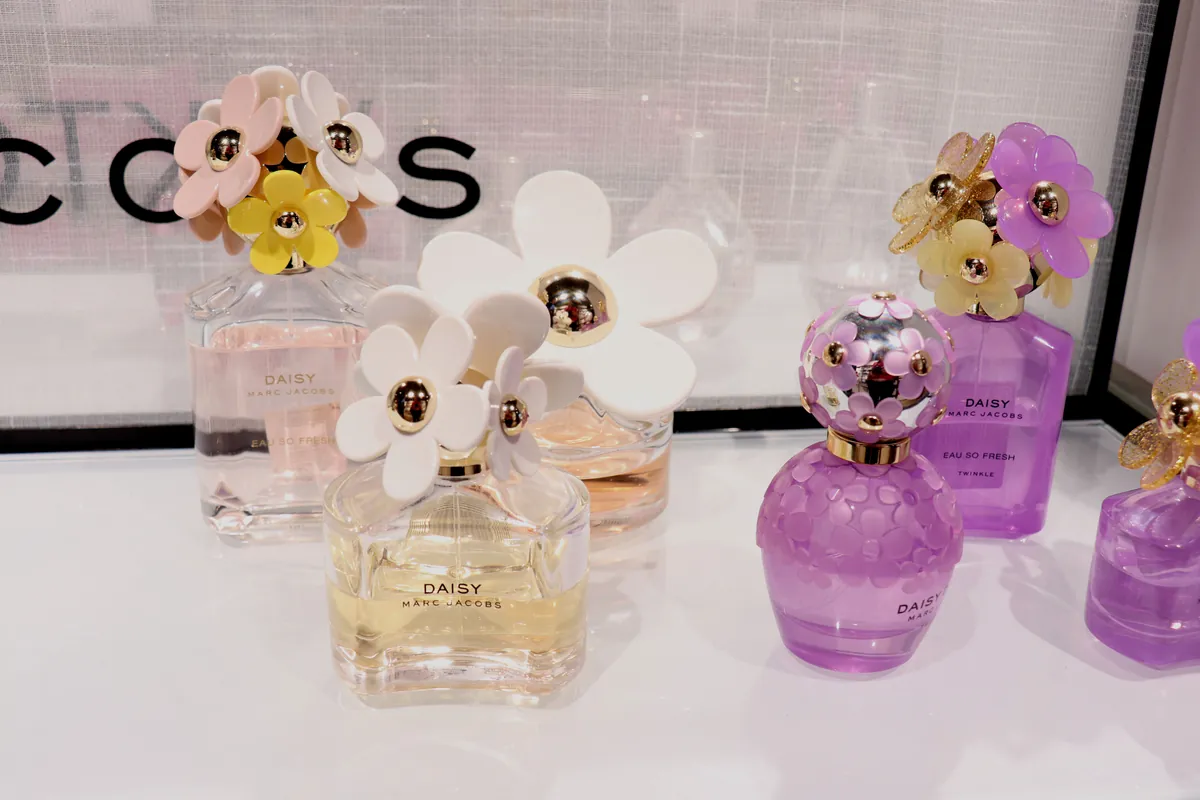 Interim CEO Markus Strobel says more work remains.
Costs also weighed on Coty, with gross margin falling 120 basis points to 63.3%. The company attributed the decline to higher freight and material costs linked to the US–Iran war, alongside higher excess and obsolescence charges.
The quarter marks a steadier picture than a year ago, when Coty’s fragrance-led portfolio and makeup struggles dragged its shares down. But interim CEO Strobel remains cautious, saying, “We have more work to do to translate green shoots into a broad-based recovery.”
Coty expects like-for-like revenue to fall by a low-single-digit percentage in the second quarter, with continued growth in its top six prestige brands.
The company describes fiscal 2027 as a transition year, and says it will give a broader outlook once the strategic review is complete. That review may show whether mass-market makeup stays part of Coty’s future.