

Bioiberica links consumer skepticism to beauty’s healthy aging pivot
Rather than trying to “reverse” aging, many consumers view it as something to embrace and support through longer-term wellness habits.


Key takeaways
- Consumers now seek to support and embrace aging through holistic wellness, prioritizing long-term skin health over reversing signs of age.
- Functional ingredients enable measurable improvements in hydration, barrier function, and skin quality across different life stages.
- Modern healthy-aging products combine multifunctional benefits with convenient routines, appealing to informed consumers who value credible, evidence-based claims.
The beauty industry is increasingly shifting from “anti-aging” messaging toward “healthy aging” and longevity-focused positioning. For Bioiberica, this means consumers and the industry are “rethinking what aging means.”
A greater awareness of how factors such as stress, sleep, nutrition, and hormonal changes impact the skin is driving demand for more holistic beauty-from-within solutions. As a result, the company is seeing brands rethink format innovation.
Personal Care Insights speaks with Monica Gomez Navarro, marketing manager of Branded Ingredients at Bioiberica, who tells us more about this evolution toward healthy aging and the market dynamics surrounding it.
“Rather than trying to ‘reverse’ aging, many now view it as something to embrace and support through longer-term wellness habits,” she explains. “This shift is closely tied to the growing focus on healthy aging and longevity, where appearance is increasingly seen as a reflection of overall health and well-being. In fact, around two-thirds of consumers now recognize skin health as a key indicator of overall health.”
Consumers also increasingly understand the connection between internal health and external appearance, creating opportunities for science-backed ingredients that support hydration, skin barrier function, and overall skin quality as part of a broader healthy aging approach.
Aging beneath the surface
There is growing resistance to unrealistic beauty standards and overly aspirational “anti-aging” claims.
Consumers today want products that help them feel healthy, confident, and vibrant at every life stage, rather than promising to erase the signs of aging altogether, says Navarro. She believes this is particularly true among younger generations, who are taking “a more preventative approach to skin health earlier in life.”
Brands are moving away from single benefit positioning and toward more holistic concepts centered on skin health, resilience, and healthy aging.
“Rather than promising to conceal aging, many products now focus on supporting hydration, skin barrier function, glow, and overall skin quality — benefits that resonate across age groups,” she explains.
.webp) Clinically supported ingredients offer benefits across multiple skin parameters while still speaking to specific concerns such as dryness, dullness, or loss of firmness.Consumers also increasingly want convenient, enjoyable products that fit naturally into everyday wellness routines, driving growth in functional foods and beverages, gummies, and beauty supplements that combine efficacy with experience.
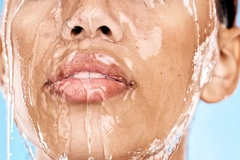
Clinically supported ingredients offer benefits across multiple skin parameters while still speaking to specific concerns such as dryness, dullness, or loss of firmness.Consumers also increasingly want convenient, enjoyable products that fit naturally into everyday wellness routines, driving growth in functional foods and beverages, gummies, and beauty supplements that combine efficacy with experience.
Navarro believes this trend is encouraging formulators to prioritize ingredients that can deliver clinically-supported benefits at low doses while remaining stable across different applications.
Age-supportive ingredients
For Bioiberica, the next generation of age-supportive skin care is being shaped by ingredients that go beyond surface-level beauty benefits to support long-term skin health and function.
“Hyaluronic acid, collagen, and other bioactive compounds continue to play a major role, with an increasing focus on clinically substantiated ingredients that can demonstrate measurable effects on hydration, skin barrier function, and skin quality across different age groups,” says Navarro.
The latest science surrounding Bioiberica’s hyaluronic acid (HA) matrix ingredient Dermial reflects this evolution.
“Dermial is the first HA matrix ingredient for beauty-from-within, combining HA (>60%) with complementary glycosaminoglycans (including dermatan sulfate) and collagen. A 12-week randomized, double-blind, placebo-controlled trial demonstrated that Dermial supplementation delivers a unique ‘glow’ effect as well as significant improvements in skin hydration, smoothness, roughness, and wrinkle reduction at just 60 mg/day,” she explains.
The study also highlights age-specific benefits. Participants aged over 55 experienced notable improvements across several skin barrier function parameters, which Navarro suggests shows growing opportunities for more targeted healthy aging solutions.
“This aligns with a wider shift within the category toward products that combine preventative support, scientific credibility, and personalized benefits tailored to consumers at different life stages,” she says.
Addressing the science and the skeptics
Today’s consumers expect beauty brands to “strike a careful balance between scientific credibility and authenticity,” remarks Navarro.
.webp) Bioiberica says the next generation of age-supportive skin care is shaped by ingredients that go beyond surface-level beauty benefits.“While efficacy remains extremely important, shoppers are increasingly skeptical of exaggerated claims or heavily idealized portrayals of aging. Instead, they want transparent, evidence-based messaging that feels realistic and relatable. This is pushing brands toward more measurable, functional claims centered on hydration, skin smoothness, skin barrier support, or glow, rather than broad promises to ‘reverse aging.’”
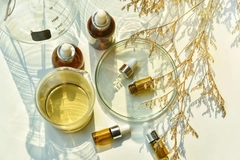
Bioiberica says the next generation of age-supportive skin care is shaped by ingredients that go beyond surface-level beauty benefits.“While efficacy remains extremely important, shoppers are increasingly skeptical of exaggerated claims or heavily idealized portrayals of aging. Instead, they want transparent, evidence-based messaging that feels realistic and relatable. This is pushing brands toward more measurable, functional claims centered on hydration, skin smoothness, skin barrier support, or glow, rather than broad promises to ‘reverse aging.’”
Clinical substantiation is becoming especially important as consumers become more informed about ingredient science and more selective about the products they trust, adds Navarro.
The future of personalized beauty & healthy aging
For Navarro, personalization is becoming “increasingly important within the healthy aging category because consumers are recognizing that aging is not a uniform experience.”
Factors such as hormones, lifestyle, stress, nutrition, and genetics all influence how skin changes over time, creating demand for solutions that feel more relevant to individual needs and life stages, she tells us.
“One of the clearest examples is menopause, which has become a much more visible and openly discussed topic in recent years. Declining estrogen levels can impact collagen production, skin hydration, elasticity, and barrier function, leading many women to seek targeted support that reflects these specific physiological changes.”
At the same time, Navarro sees that consumers are also looking for simplicity and convenience. “Rather than highly complex routines, many prefer multifunctional products that deliver targeted benefits within a broader healthy aging approach. This is creating opportunities for clinically supported ingredients that can offer benefits across multiple skin parameters while still speaking to specific concerns such as dryness, dullness, or loss of firmness.”
Looking ahead, Navarro expects the category to continue evolving along two paths: “holistic aging solutions designed for broader wellness support, and personalized products tailored to individual health and beauty journeys.”