



Colgate-Palmolive reportedly weighs US$1B personal care offload


Key takeaways
- Colgate-Palmolive is reportedly exploring the sale of selected mass-market personal care brands that could together fetch more than US$1 billion.
- Softsoap, Irish Spring, and Speed Stick are among the brands said to be under review.
- A divestment could sharpen Colgate’s focus on premium, science-led innovation as its North American business faces intensified competition.

Colgate-Palmolive is exploring the sale of several mass-market personal care brands, including Softsoap, Irish Spring, and Speed Stick, according to reports. The consumer goods group is said to be reviewing its portfolio amid intensifying competition in the US.
The selected brands could collectively raise over US$1 billion, as cited by Reuters.
Colgate is reportedly working with investment bank Goldman Sachs on the potential divestment.
The potential sale would cover only a few brands in Colgate-Palmolive’s personal care unit rather than the whole unit, the sources told Reuters. The unit spans deodorants and antiperspirants, bar and liquid soaps, shower gels, and skin care. The group also operates oral care, home care, and pet nutrition businesses.
Brands rumored for review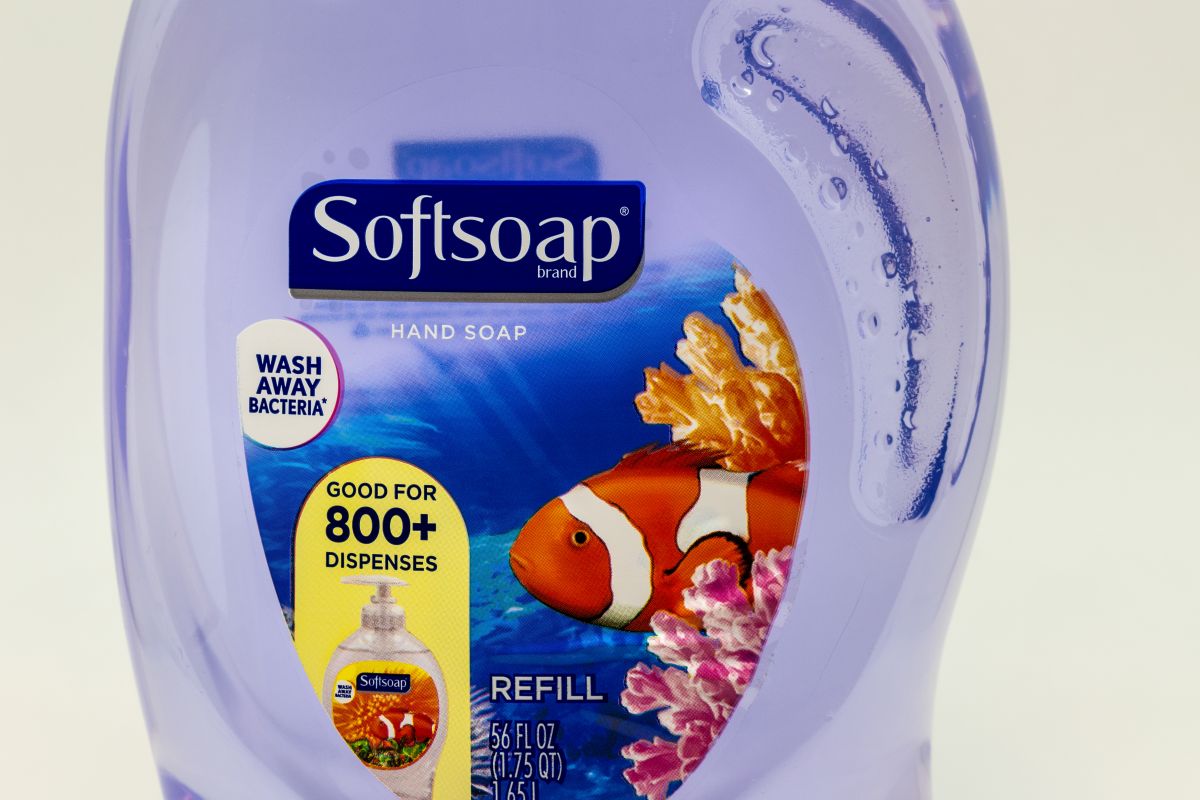
Colgate-Palmolive is reportedly reviewing Softsoap, Irish Spring, and Speed Stick for a potential sale.
The brands rumored to be up for sale — Softsoap, Irish Spring, and Speed Stick and Lady Speed Stick — are positioned across liquid hand soap and body wash, bar soap and body wash, and deodorants and antiperspirants, respectively.
Colgate-Palmolive also owns international personal care brands such as Palmolive, Protex, Sanex, and Tom’s of Maine. Its prestige and professional skin care portfolio includes EltaMD, Filorga, and PCA Skin.
According to its annual report, personal care represented 17% of Colgate-Palmolive’s worldwide net sales in 2025, down from 18% in 2024 and 19% in 2023.
Based on Colgate-Palmolive’s reported 2025 net sales of US$20.38 billion and Personal Care accounting for 17%, the category generated approximately US$3.5 billion. Oral Care remains Colgate-Palmolive’s largest category, accounting for 44% of 2025 sales. Pet Nutrition contributed 23%, while Home Care represented 16%.
North American pressure
A divestment could allow Colgate-Palmolive to concentrate investment behind its core higher-margin businesses while reducing its exposure to competitive mass-market categories. The company has not publicly stated that this is the motivation for the potential sale.
In its annual report, the company stated that it will prioritize investment in high-growth and high-margin segments across Oral Care, Personal Care, and Pet Nutrition while making “careful decisions” about its brand portfolio.
Its latest results also point to pressure in its home market. Group net sales increased by 4.9% to US$5.36 billion in Q2 2026, while organic sales grew by 2.4%. However, both net and organic sales in North America declined by 3%, according to Colgate-Palmolive’s quarterly results.
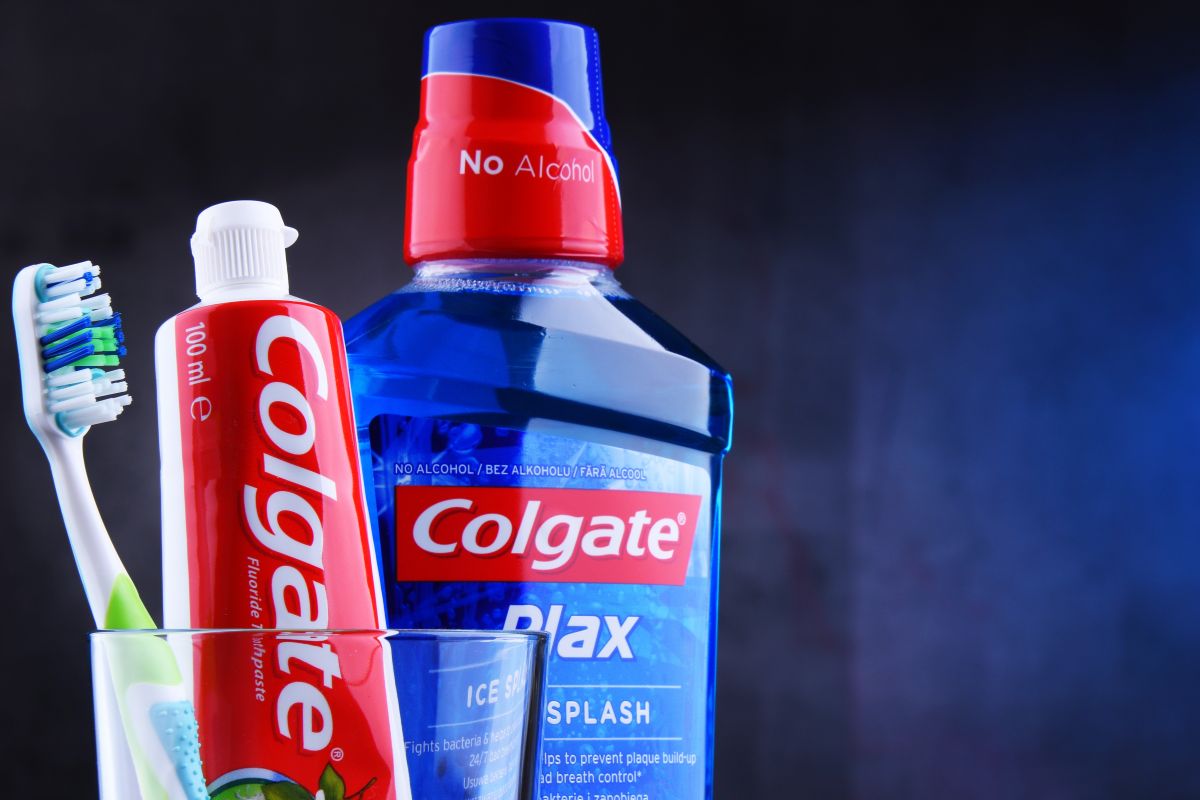 Oral care remains Colgate-Palmolive's largest category.
Colgate-Palmolive CEO Noel Wallace told the Barclays Global Consumer Staples Conference that increased competition in North America meant restoring the business would require a “long-term turnaround,” according to Reuters.
The pressures are not limited to one quarter. Colgate-Palmolive’s North American net sales declined by 1.6% in 2025, driven by weaker US performance. The company attributed the decrease partly to lower personal care sales across skin health, body wash, and underarm protection.
Against this backdrop, selling selected mass brands could release capital and management resources for businesses that better align with Colgate-Palmolive’s current growth strategy.
The group increased advertising expenditure by 15% in Q2 and said its investments would focus on premium, science-led innovation and omnichannel demand generation.
Wider portfolio reshaping
The reported portfolio review reflects a broader movement among consumer goods groups to simplify their portfolios as tariffs, input costs, and financially pressured consumers weigh on earnings.
Unilever previously divested its Elida Beauty portfolio, featuring over 20 brands, to Yellow Wood Partners in 2024 as part of a broader play to simplify its portfolio.
Colgate-Palmolive had a market capitalization of approximately US$70 billion when Reuters reported the potential sale on September 11. Its shares had risen by around 11% since the beginning of 2026, according to London Stock Exchange Group data.