




US FDA sets out mandatory cosmetic recall process in final MoCRA guidance

Key takeaways
- The FDA has finalized its guidance on mandatory cosmetic recalls under MoCRA.
- Companies get a chance to act voluntarily before the FDA orders a distribution halt or recall.
- The FDA expects most cosmetic recalls to remain voluntary.
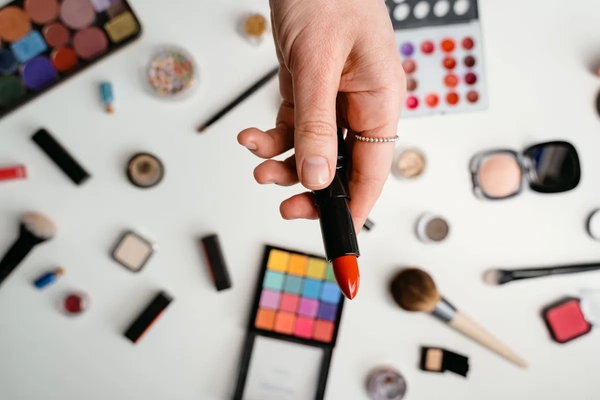
The US Food and Drug Administration (FDA) has issued the final guidance on its power of mandatory cosmetics recalls under the Modernization of Cosmetics Regulation Act of 2022 (MoCRA). The agency sets out when and how it can order companies to pull products from the market.
To order a recall, the FDA must determine that there is a reasonable probability that a cosmetic has been adulterated, misbranded, or that using or being exposed to it will cause serious adverse health consequences or death.
The guidance points to MoCRA’s definition of a serious adverse event, which includes outcomes such as significant disfigurement, serious and persistent rashes, second- or third-degree burns, and significant hair loss.
The defined authority covers all products that meet the FD&C (Federal Food, Drug, and Cosmetic) Act’s definition of a cosmetic. Products that are regulated as both cosmetics and drugs or devices — such as sunscreens and antiperspirants — are not covered by the recall powers. However, they may be subject to other mandatory recall authorities.
When deciding whether to act, the FDA says it will weigh evidence such as safety observations from facility inspections, sample analyses of raw materials or finished products, epidemiological data, serious adverse event reports, and consumer and trade complaints. It will also consider how vulnerable the product’s users are, including infants, the elderly, pregnant women, and medically compromised people.
The FDA will also take into account whether the company has already refused to act voluntarily.
Voluntary action to recall order
The recall process starts with the FDA notifying the Responsible Person in writing and giving them the chance to voluntarily stop distribution and remove the product. Under MoCRA, the Responsible Person is the manufacturer, packer, or distributor whose name appears on the product label.
If the company refuses or does not act within the time the FDA sets, the agency can order it to immediately cease distribution. The company is then offered an informal hearing within 10 days of the order being issued, where it can argue if there is enough evidence to justify the product’s place on the market.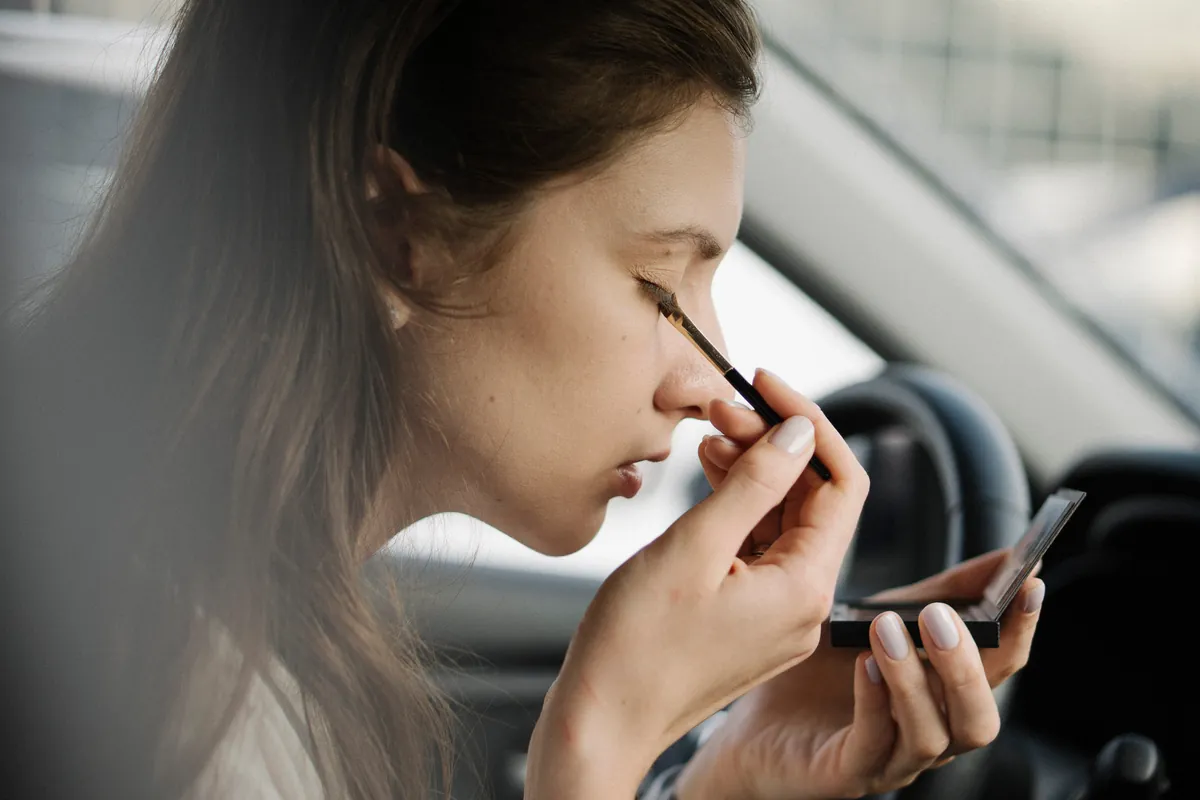 MoCRA gives the FDA the power to order cosmetic recalls.
Following the hearing, the FDA can vacate the order, keep the distribution halt in place until a set date, or amend it to require a full recall. An order would include a timetable for the recall and a schedule for updates to the agency. Only the FDA Commissioner can order or vacate a recall.
If one is ordered, the FDA will publish a press release naming the product and describing the risk. It may also tell consumers about similar products that are not affected.
The FD&C Act prohibits companies from failing or refusing to follow an order, and those that do could face injunctions or criminal prosecution.
Voluntary recalls expected to remain norm
Despite its new authority, the FDA says most recalls of cosmetics have historically been voluntary, and it expects most violative cosmetics to continue to be recalled voluntarily.
The guidance is the latest step in the FDA’s rollout of MoCRA.
Earlier this year, the agency issued draft guidance explaining when it can request and copy companies’ cosmetics records, particularly in cases of adverse events and safety threats.
MoCRA also requires brands to investigate and report serious incidents, such as death, life-threatening experiences, or significant disfigurement, to the FDA within 15 days.
However, the law did not introduce proactive bans on ingredients, which has left several US states to push their own restrictions on toxic chemicals in cosmetics.