



Sephora invests in retail inclusivity to “deliver on beauty’s promise”


Key takeaways
- Sephora is rolling out Quiet Hours globally, making it the first beauty retailer to adopt such an initiative globally.
- The initiative was shaped by the neurodiversity community to map tangible beneficial changes.
- Inclusion in personal care is moving from symbolic to operational, embedding accessibility at every customer touchpoint to deliver social and business value.
Sephora is rolling out an inclusive shopping initiative globally that softens in-store sensory inputs for neurodivergent individuals. The Quiet Hours project is a concrete example of how accessibility can move from theoretical to operational in the personal care industry.
During allotted Quiet Hours times, Sephora locations will lower the volume of music and adjust screens to encourage a calmer atmosphere with fewer distractions. The global expansion follows a successful pilot across 32 shops in eight markets.
Personal Care Insights sits down with Elodie Barbé, VP of marketing at Sephora Europe, to discuss the beauty industry’s responsibility to deliver inclusivity and how it should be embedded further.
Barbé says initiatives like Quiet Hours analyze and adapt physical retail environments to the needs of overlooked customer demographics, but also have benefits for the general public.
“What is most striking is how universal the benefit appears to be. An initiative shaped around the needs of neurodivergent and sensory-sensitive shoppers has created a better experience for many different people,” she explains.
Barbé states that creating calmer, more accessible shopping environments can expand participation, increase dwell time, and strengthen loyalty among consumers who may otherwise avoid physical stores. “That is a powerful indication that inclusive design can deliver both social and business value.”
Tangible inclusivity in beauty
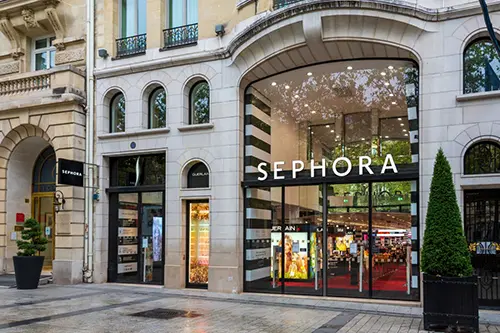 Sephora's quiet hours are now rolling out globally.In line with Sephora’s commitment to fostering inclusivity, the initiative was created by listening to the neurodivergent community and field experts such as inclusive research agency, Open Inclusion, and public relations consultancy, Purposeful Futures.
Barbé tells us that the beauty industry, especially, has a responsibility to pursue improvements in its inclusivity initiatives.
“Beauty is an industry built around self-expression, confidence, and belonging. Ethically, if a customer loves beauty but finds the store environment too overwhelming to spend time in, browse comfortably, or engage with advisors, then the industry is not fully delivering on its promise of inclusion,” she says.
Barbé believes that the next phase of inclusion needs to be more operational. “It cannot only be about who appears in campaigns or what language brands use, although those things still matter,” she says, highlighting that palpable action is necessary for inclusivity.
As consumer awareness grows, they are increasingly differentiating between “symbolic inclusion and practical inclusion.” Barbé stresses that companies must deliver consistency and accountability to ensure that they are not leaving their inclusivity at the theoretical level.
According to Barbé, the commercial value of sensory-sensitive and neurodivergent consumers should not be understated. She says that these consumers are “not marginal in importance” as many people experience varying levels of sensory sensitivity, anxiety in crowded environments, neurodivergence, disability, or changing accessibility needs throughout their lives.
“Inclusion needs to shape store environments, service models, training, product development, packaging, e-commerce filters, sampling, consultation, and after care,” she explains.
How inclusivity can benefit everyone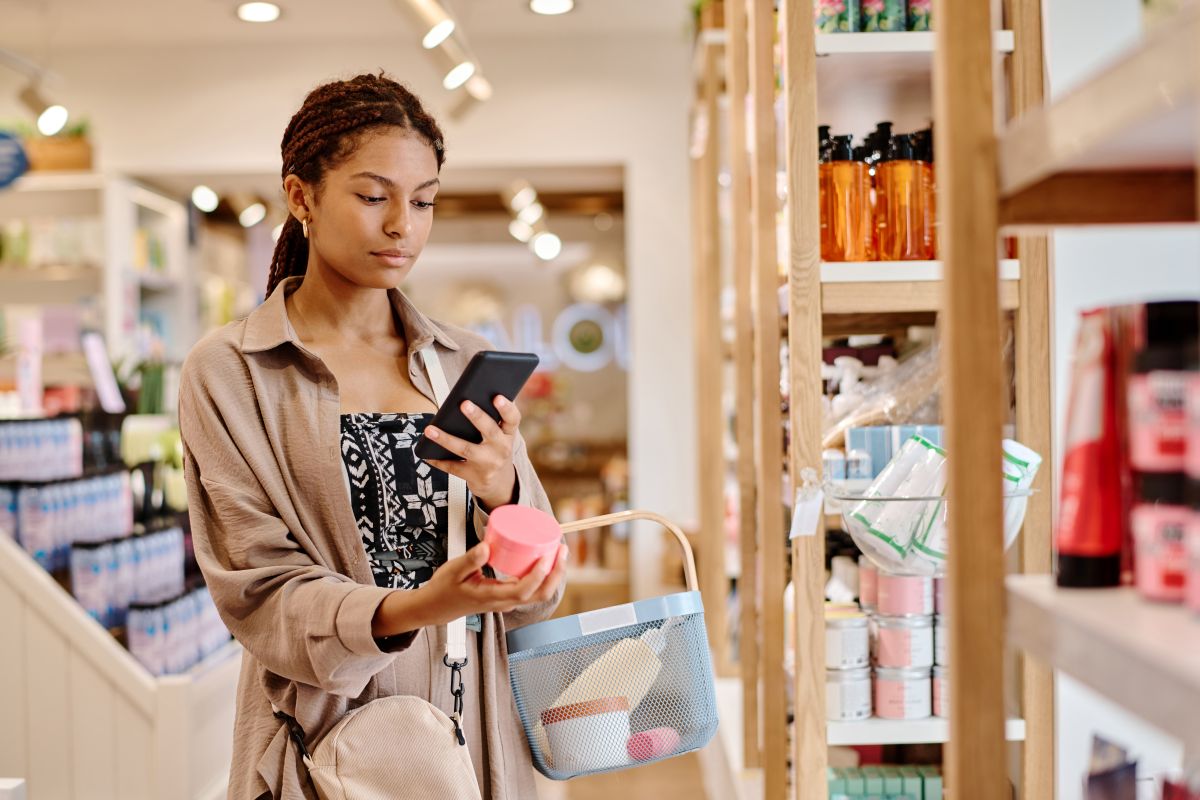
Lower music and dimmer screens are said to make shopping calmer for everyone.
Sephora’s pilot was met by positive responses from customers and staff alike. The retailer reports that most neurodivergent shoppers say Quiet Hours significantly improves their experience, and 90% of clients think Quiet Hours makes Sephora stores more inclusive and welcoming for all.
Barbé underlines that the initiative was designed by pinpointing what can make physical retail experiences challenging for sensory-sensitive beauty consumers. She highlights that factors like music, lighting, screens, scent, crowds, and the overall level of stimulation may have detrimental effects for these individuals.
Further than the tailored adjustments, Sephora’s Quiet Hours demonstrates that designing for people whose needs have historically been overlooked can lead to a better experience for a wider group of customers.
“For the wider beauty and retail industries, the takeaway is that inclusion should not be seen as an add-on or a niche accommodation,” says Barbé.
Sephora offers multiple Beauty Advisor accounts who state that the Quiet Hours adjustments “enhance comfort for all shoppers,” or enable staff to “build stronger connections with clients” in a calmer environment.
The initiative shows that what may appear to be small adjustments to some can have a meaningful impact on those whose daily experiences are hindered by these factors.
“What began as a response to the needs of neurodivergent beauty fans across the world became a much bigger opportunity: to reimagine what the experience can be for many who find retail physical environments challenging,” says Chloe Matharu, inclusion and brand strategist at Purposeful Futures.
“By becoming the first global beauty retailer to introduce Quiet Hours, Sephora is setting a new standard for the industry, and proving that some of the most powerful innovations are those designed for inclusion.”
Step by step inclusivity
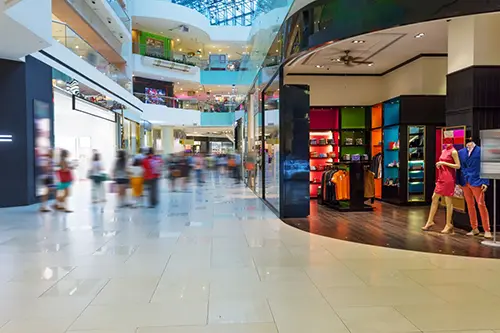 The program was designed with input from the neurodiversity communityBarbé tells us that the beauty industry can move from approaching inclusivity as a secondary accommodation to embedding it into its operations by treating it as a core design principle, not a special exception.
She stresses the importance of staff training: “Beauty advisors need to feel equipped to support different customer needs respectfully, without making assumptions or making customers feel singled out.”
Barbé highlights room to grow in product discovery inclusivity. She details giving customers clearer ways to navigate products by sensory preferences, fragrance levels, texture, ingredients, skin sensitivities, packaging accessibility, or application needs as potential avenues of future accommodations.
“The broader ambition should be a customer journey where people have more choice, control, and comfort at every touchpoint — in store, online, and through social and virtual programming.”