


L’Oréal and Kraft Heinz target small plastics recovery before California EPR law


Key takeaways
- The Closed Loop Center, with partners including L’Oréal and Kraft Heinz, is advancing small-format plastic recovery in California ahead of the state’s EPR law.
- The Smalls Consortium will focus on packaging such as cosmetic containers, lids, caps, coffee pods, and pill bottles that often fall through recycling systems.
- The project will generate real-world data with Potential Industries to improve sorting, reprocessing, end markets, and packaging design.

Closed Loop Partners’ Center for the Circular Economy has announced plans to advance the recovery of small-format plastic packaging, like from cosmetic and skin care products, in California, US, ahead of the state’s SB 54 extended producer responsibility (EPR) law.
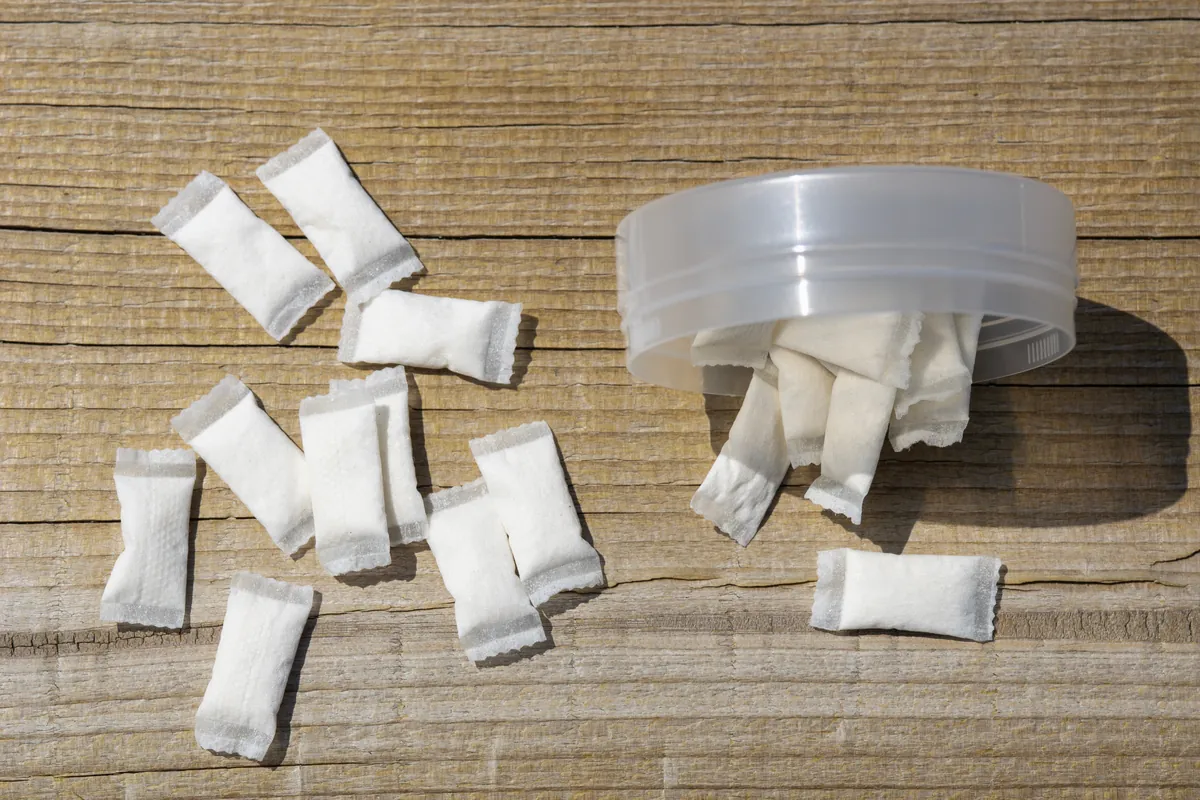
The plan falls under the next phase of the Smalls Consortium, a group backed by founding partner L’Oréal and supporting partner Kraft Heinz, which aims to recover cosmetic packaging, as well as pill bottles, lids, caps, and coffee pods that currently fall through recycling sorting systems.
The Smalls Consortium says it takes a “holistic approach,” centering the project on four areas of focus: developing a practical roadmap to recover small packaging; strengthening recycling infrastructure; ensuring recovered materials can be used in new products; and improving packaging design.
“L’Oréal is helping to build the systems needed to recover, sort, process, and ensure market demand for small format materials,” says Marissa McGowan, chief sustainability officer, North America, at L’Oréal.
“Advancing solutions for small-format packaging is a credible path to reduce supply chain risk, strengthen EPR readiness, and secure future material supply. We encourage other companies to join us in scaling solutions that no company can solve alone.”
Recently, L’Oréal launched its third #JoinTheRefillMovement campaign to promote refillable packaging alternatives in the personal care sector, bringing together four of its divisions.
Meanwhile, the Recycling Partnership launched a Recycling Participation Fund in the US to encourage household recycling as pressure from EPR laws mounts. The fund is backed by personal care heavy hitter, Procter and Gamble.
F&B small formats
 Linda Roman, director of R&D Packaging at Kraft Heinz says the F&B industry has a responsibility to improve recovery of small plastics.According to the Closed Loop Center, the Smalls Consortium’s methodology for packaging recovery systems includes spanning site diligence, material characterization studies, equipment assessments, financial modeling, recovery testing, and end market engagement.
Linda Roman, director, R&D Packaging, at Kraft Heinz, adds: “For many companies in the F&B industry, small-format packaging comprises a significant portion of our portfolios. We all have a responsibility to improve recovery of these plastics, but it takes the full value chain to solve this complex challenge.”
In its 2025 Annual Report, Unilever stated that sachets are an “industry-wide challenge and a priority for Unilever.” However, Greenpeace USA’s global plastics campaign lead Graham Forbes told Packaging Insights that Unilever is “past due on delivering a clear sachet phase-out plan.”
Hard-to-recover packaging
To trial the recovery of small packaging in California, the Smalls Consortium has partnered with Potential Industries, a recycling operator. The goal of the project, according to the Closed Loop Center, is to create real-world data at a California facility to inform a roadmap for the recovery of small-format packaging.
Dan Domonoske, VP at Potential Industries, says: “Closed Loop Partners’ approach that includes demand pull from end markets is so valuable. Together, we are looking at how to improve sortation while simultaneously supporting the reprocessing and end markets that pull these materials through the supply chain.”
Small packaging formats, like sachets, are often single-use and hard to recycle. Recycling and innovation developments have aimed to decrease the impact of these formats on human and environmental health.
Recently, Nestlé Philippines and Restore Solutions partnered with Robinsons Supermarket to introduce reverse vending machines for sachets into four of the retailer’s stores.
 Since California's EPR was approved, its been facing legal scrutiny from environmental NGOs, who argue it was weakened.Meanwhile, Futamura, alongside flexible packaging converter Repaq and machine manufacturer GK Sondermaschinenbau, launched a fully compostable sachet suitable for ingredients such as ketchup, mustard, cooking sauces, and hand cream.
California’s EPR
California’s EPR law comes into force on January 1, 2027. In May, the California Office of Administrative Law approved SB 54 EPR, which establishes an EPR program aiming to manage “packaging and single-use plastic foodservice ware” across the state.
Since it was approved, the law has been facing legal scrutiny from environmental NGOs, who argue it undermines the law’s initial recycling and plastic reduction goals.
Natural Resources Defense Council and Californians Against Waste are challenging the law in court, focusing on whether CalRecycle — the state agency responsible for administering and implementing SB 54 — acted beyond its mandate by adopting regulations that conflict with the law’s legal obligation.