




“Treatment stacking” drives next wave of personalized aesthetic skin care


Key takeaways
- Treatment stacking is gaining ground as consumers seek personalized solutions that address multiple skin concerns.
- Personalization is central to successful combination treatments, with providers pairing complementary procedures to skin type and recovery tolerance.
- Aesthetics is shifting toward skin longevity, with treatments increasingly focused on prevention, regeneration, and maintaining skin quality rather than one-off procedures.
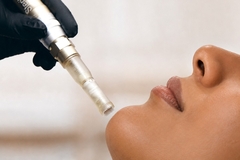
Aesthetics providers say “treatment stacking” is gaining momentum as consumers increasingly seek personalized solutions that address multiple skin concerns at once while fitting into busy lifestyles.
According to board-certified dermatologist Dr. Nazanin Saedi, the next wave of aesthetics is poised to be centered on proactive, personalized skin health that promotes longevity and youthful regeneration.
Recent industry data — revealed by Medical Aesthetics Provider and Consumer Surveys — shows that 77% of providers report increased client satisfaction with a combination treatment program. In comparison, 81% of consumers believe the results justify the greater investment.
That shift is reflected in recent industry data showing 77% of providers report increased client satisfaction with combination treatment programs, while 81% of consumers believe the results justify the greater investment.
Personal Care Insights speaks with Dr. Saedi, who discusses why combination protocols are growing in popularity and how providers thoughtfully pair treatments based on individual skin goals. She also dives into why personalization — and not simply doing or offering more — is key to future skin care trends.
What key factors are driving the growing popularity of combination treatment protocols among aesthetics providers?
Saedi: Patients are increasingly looking for personalized treatment plans that address multiple skin concerns while fitting into busy lifestyles. Rather than relying on a single procedure, providers are combining complementary treatments to create a more customized approach based on a patient’s skin goals, concerns, and tolerance for downtime. We’re also seeing patients become more educated about skin health and interested in long-term maintenance rather than one-time fixes.
Ultimately, combination protocols allow us to take a more comprehensive approach while keeping the patient experience efficient.
How do you determine which treatments to pair for a patient, and what role does personalization play?
Saedi: Personalization is really the foundation of every treatment plan. I evaluate a patient’s skin quality, concerns, medical history, lifestyle, and desired outcomes before recommending any protocol. There’s no universal combination that works for everyone.
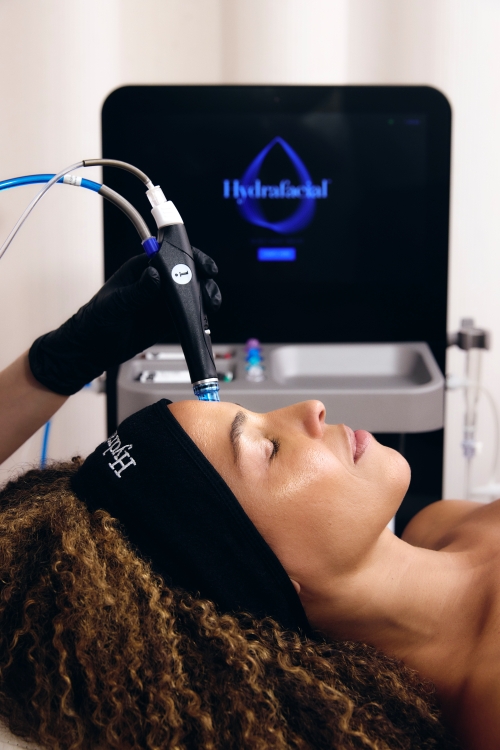 Hydrafacial + SkinStylus microneedling for skin rejuvenation is the only microneedling device with FDA-cleared indications spanning facial acne scars, periorbital wrinkles, and abdominal scars.For many patients, I begin with treatments that help optimize overall skin health before targeting a specific concern. The Hydrafacial treatment is a great example because it deeply cleanses and infuses the skin with targeted serums in a single treatment while allowing us to customize with boosters, LED light, and lymphatic drainage based on the individual’s needs. That creates a healthy foundation that complements any procedure.
Can you discuss the most effective combinations and why they stand out?
Saedi: Hydrafacial and SkinStylus microneedling is one of my favorite combinations because each treatment plays a distinct, complementary role. Hydrafacial can be used first to cleanse, exfoliate, and hydrate the skin, helping create an optimal foundation before microneedling. SkinStylus then creates controlled microchannels that stimulate the skin’s natural regenerating process and target concerns such as fine lines, texture, and acne scarring.
Together, they offer a more comprehensive approach to skin health with minimal downtime. Depending on the patient’s goals, I may incorporate both into a coordinated treatment plan rather than treating them as standalone procedures. Together, we can give an instant glow with Hydrafacial and start building new collagen with microneedling.
This approach also reflects growing consumer interest in personalized combination protocols. Approximately one in five Hydrafacial consumers received a microneedling treatment last year, and 90% say they would be interested in combining microneedling with a Hydrafacial treatment in the future.
Another combination I love is BroadBand Light (BBL) and Moxi because these lasers target different layers and signs of skin aging in a single, highly customizable treatment plan. BBL addresses visible pigmentation, redness, and sun damage, while Moxi supports skin renewal to improve tone and texture. Together, they deliver a more comprehensive skin-rejuvenation approach with relatively minimal downtime, making the combination especially effective for patients seeking both corrective results and proactive maintenance. This combination not only brightens the skin but also promotes the foundation for healthy skin.
Are there specific skin concerns or patient types that benefit most from combination treatments?
Saedi: Combination protocols can be valuable for many patients because very few people present with just one concern. Someone may be experiencing uneven texture, dehydration, and early signs of aging simultaneously, while another patient may be focused on acne scarring and skin quality.
Rather than treating each concern independently, combination protocols allow providers to build a customized plan based on the patient’s priorities. The key isn’t necessarily doing more treatments; it’s selecting complementary treatments that work together to support the individual’s goals and increase overall efficacy.
How do aesthetics providers balance treatment intensity with safety?
Saedi: Safety always comes first. Every treatment plan should begin with a thorough consultation and an understanding of the patient’s medical history, skin type, and tolerance for downtime. Combination treatments don’t mean performing as many procedures as possible in one visit. Sometimes treatments are intentionally spaced apart to allow the skin to recover while still working toward the overall treatment objective. The treatment plan should always be individualized, with the patient’s skin guiding the timing and sequence.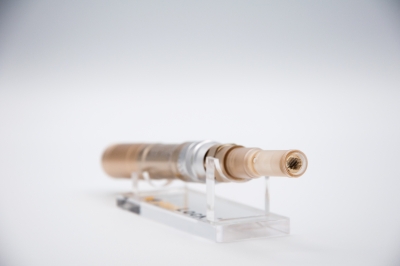 Advances in microneedling, including new FDA-cleared indications, continue to expand.
What will the next evolution in aesthetics be?
Saedi: The future of aesthetics is proactive, personalized skin health. Patients are increasingly interested in prevention, longevity, and regeneration, not simply treating a concern once it appears. We do this by supporting the skin’s natural regenerative processes and maintaining its quality over time.
Technology is making that approach more achievable. Hydrafacial allows us to personalize treatments with targeted boosters based on a patient’s evolving needs, while advances in microneedling, including new FDA-cleared indications, continue to expand the concerns we can address.
The future is not one standardized treatment or device. Even by doing the combined treatment, the combinations are endless to make it individualized to suit each patient’s needs. It is an integrated, long-term treatment plan that combines complementary technologies, adapts as the patient’s skin changes, and supports healthier-looking skin at every stage of life.