




AIMPLAS explores bacterial cellulose for sustainable after-sun face masks

Key takeaways
- AIMPLAS is exploring bacterial cellulose as a biodegradable carrier for active ingredients in post-sun facial masks.
- The material offers high water retention, biocompatibility, and a close-fitting “second-skin” effect for cosmetic applications.
- Wider adoption depends on improving fermentation productivity, lowering production costs, enabling scale-up, and ensuring batch consistency.
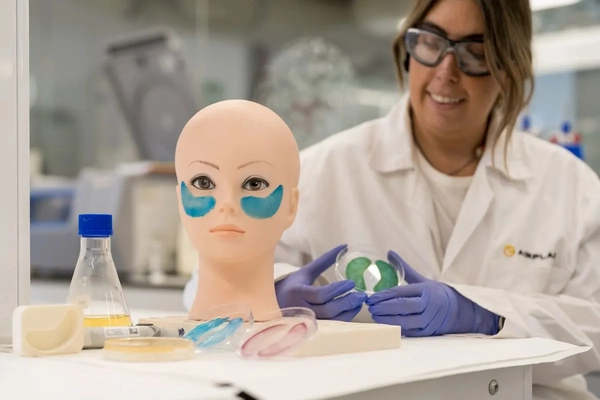
AIMPLAS (Asociación de Investigación de Materiales Plásticos y Conexas) is investigating bacterial cellulose for after-sun facial masks. The Plastics Technology Centre is exploring the uses of the biodegradable material as a carrier for active ingredients in skin care formulations.
Bacterial cellulose is a 100% natural biopolymer produced by certain bacteria, which AIMPLAS argues could be used to develop facial masks based on renewable hydrogels.
According to AIMPLAS biotechnology researcher María José de Manuel, bacterial cellulose’s “extraordinary” water retention capacity, paired with its natural sourcing, enables the biopolymer to be used in the development of sustainable, high-performance cosmetic products.
“Compared with conventional mask substrates, bacterial cellulose stands out for its high purity, biocompatibility, and natural origin. These characteristics make it a highly promising platform for developing next-generation cosmetic products,” de Manuel tells Personal Care Insights.
The Spanish innovation center underlines the growing concern of skin dehydration due to environmental variables, such as increased heat, sun exposure, and prolonged use of air conditioning.
AIMPLAS positions bacterial cellulose as helping cosmetic brands respond to growing consumer demand for environmentally responsible products without compromising performance.
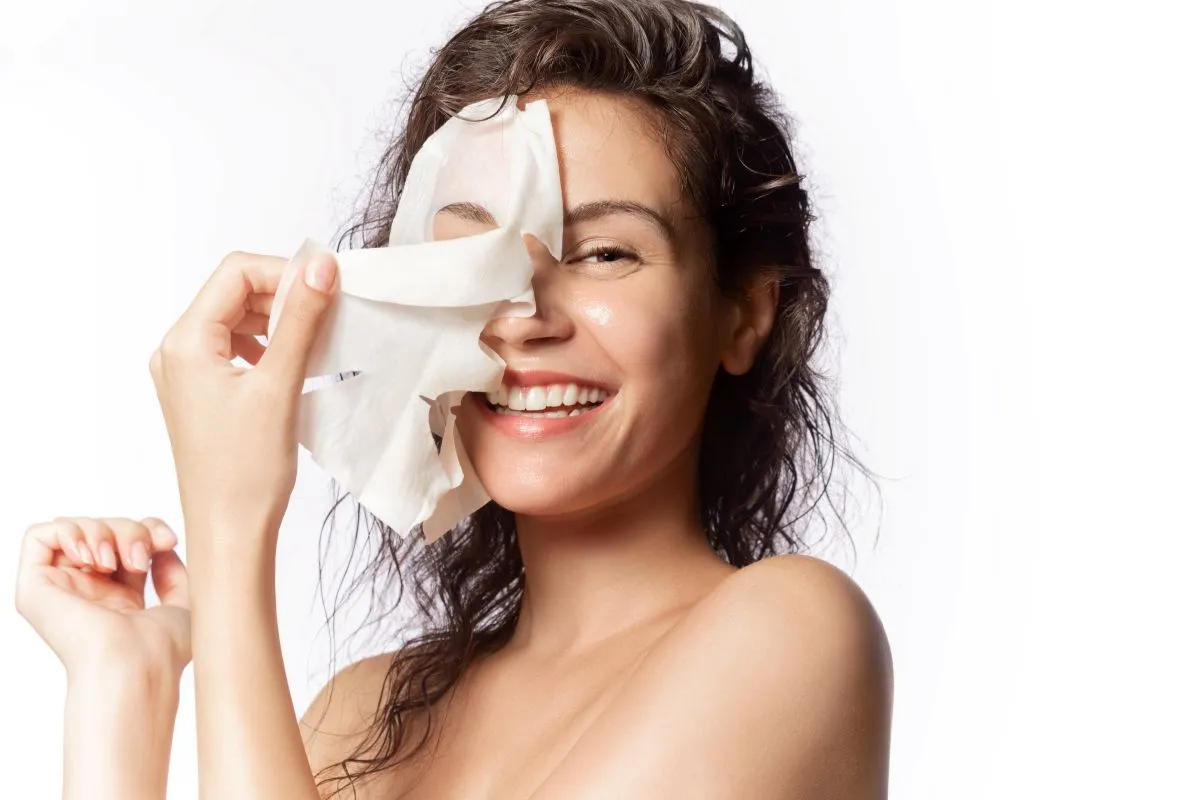
Bacterial cellulose offers high water retention for facial mask applications and can act as a carrier for cosmetic active ingredients.
Bio-polymer cosmetic compatibility
AIMPLAS underlines that cellulose is “the most abundant organic polymer on the planet.” Cellulose is traditionally derived from plant sources, but bacterial cellulose is a bio-based alternative that can be produced through fermentation, requiring fewer natural resources.
Bacterial cellulose also offers a high degree of purity because it does not contain lignin or hemicellulose, components found in plant cellulose whose removal requires additional processing.
“Bacterial cellulose offers a unique three-dimensional nanofibrous structure with a very high water-holding capacity, making it an excellent matrix for the incorporation of cosmetic active ingredients. Its flexibility and ability to closely conform to the contours of the face create a ‘second-skin’ effect, ensuring intimate contact with the skin surface and improving the overall user experience,” says de Manuel.
She tells us that AIMPLAS tailors and functionalizes the material for specific cosmetic applications, “optimizing its structure, evaluating its compatibility with active ingredients, and assessing its performance to meet industrial requirements.”
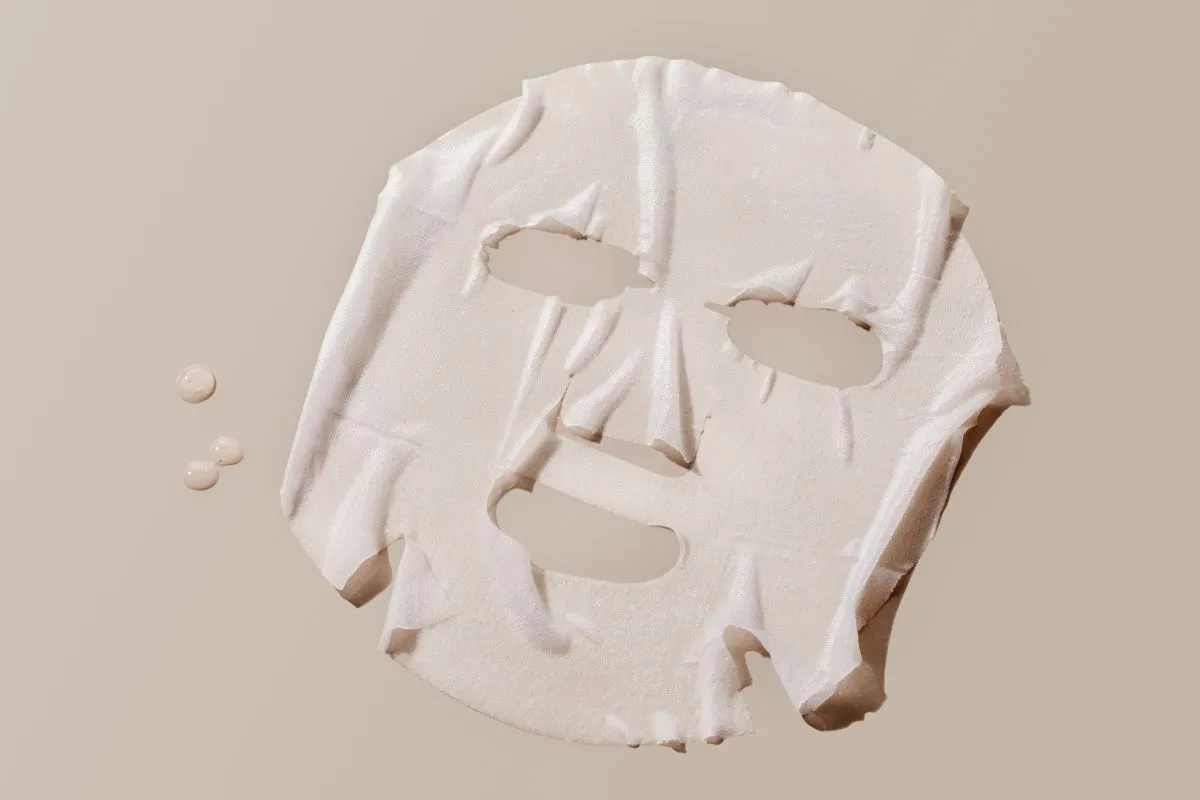
AIMPLAS is working to improve bacterial cellulose production efficiency.
Bacterial cellulose in commercial cosmetics
Bacterial cellulose is already adopted within niche cosmetic applications. However, de Manuel says that its wider market adoption will depend on further improvements in production efficiency and cost competitiveness.
“Key challenges include increasing fermentation productivity, reducing production and downstream processing costs, scaling up manufacturing processes, and ensuring consistent material quality between batches.”
De Manuel believes that addressing these issues is essential for achieving large-scale industrial implementation. As these challenges are progressively overcome, she expects that bacterial cellulose will play an increasingly important role in the development of high-value, sustainable cosmetic products.
“We are working on optimizing both upstream and downstream processes, exploring alternative feedstocks, and developing scalable production strategies that can improve the economic feasibility and sustainability of bacterial cellulose manufacturing.”
De Manuel states that the center aims to accelerate the transition of this technology from research environments to commercially viable products.
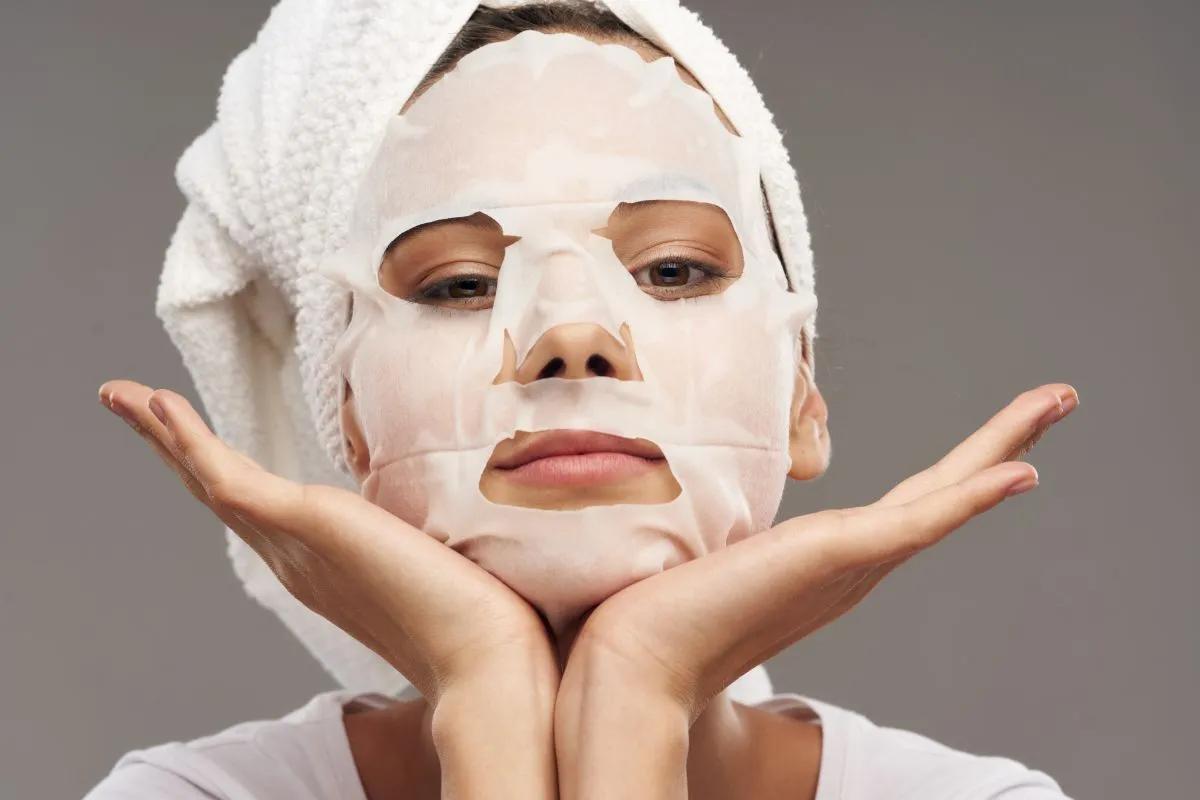
Fermentation-derived cellulose could support more sustainable cosmetic formulations.
Reducing single-use environmental footprint
De Manuel highlights that bacterial cellulose offers several sustainability benefits beyond its biodegradability. Because it is a bio-based material obtained through fermentation instead of a natural raw material, it offers a more sustainable alternative for obtaining high-performance materials than reliance on natural resources.
As industry players and consumers increasingly differentiate “natural” from “sustainable,” various biotechnological methods are solidifying as sustainable sourcing alternatives to reduce pressure on planetary resources. Fermentation has been emerging as an industry go-to as beauty manufacturers and formulators face growing pressure around eco-friendliness and supply-chain fortification.
AIMPLAS’s exploration of fermentation-derived bacterial cellulose as a cosmetic resource echoes the industry’s growing investments in sustainable beauty sourcing through the means of biotechnology.
“We are particularly interested in exploring how bacterial cellulose can contribute to more sustainable product design through material innovation, circular economy approaches, and the integration of bio-based solutions into existing value chains,” says de Manuel.
“While the overall environmental impact must always be verified through dedicated life cycle assessment studies, bacterial cellulose represents a highly promising option for supporting the transition toward more sustainable cosmetic products.”