



Melt&Marble debuts precision-fermented lipid to fortify supply chains

Key takeaways
- Melt&Marble has launched Marble7, an Omega-7-rich precision-fermented lipid for skin care, makeup, and hair care.
- The multifunctional ingredient supports hydration, skin barrier repair, formulation stability, and a silky sensory feel.
- Precision fermentation reduces reliance on volatile plant, animal, and petrochemical supply chains while supporting more sustainable sourcing.

Melt&Marble has launched Marble7, a precision-fermented bioactive lipid for skin care, makeup, and hair care formulations. The launch comes as lipid innovation is becoming an increasingly attractive area of formulation development in the personal care industry, due to its combination of efficacy, sensorial appeal, and supply chain resilience.
The Omega-7-rich three-in-one lipid was designed to help formulators meet the progressively pertinent demands for high-performance and future-proof ingredients through a single precision-fermented lipid ingredient. The ingredient is the Swedish company’s debut personal care ingredient and was launched at In-cosmetics Korea, Seoul, earlier this month.
Thomas Cresswell, chief business officer at Melt&Marble, tells Personal Care Insights that the lipid addresses a growing necessity in the market for resilient ingredients that are less vulnerable to macro-factors such as global politics, climate change, or agricultural fluctuations. He tells us about how Marble7 addresses sustainability demands while offering an efficacious, multifunctional, and sensorially desirable ingredient.
The launch is bolstered by Melt&Marble’s collaboration with Covalo, a B2B platform connecting consumer goods brands with ingredient suppliers. The collaboration aims to enable the visibility of the ingredient for evaluation and sampling by beauty and personal care formulators.
Marble7, which received its INCI name r-Saccharomyces Butter in March, offers formulators an alternative to plant- or animal-based lipids and is touted to be a highly performant ingredient, independent of its sustainability benefits.
Following the launch, the company’s immediate focus for Marble7 is to support customer evaluation and adoption through access to samples, technical documentation, and formulation ideas, says Cresswell.
Supporting sustainability and sensoriality
Marble7 offers a biomimetic skin lipid profile and is rich in Omega-7 and other bioactives for skin barrier-focused formulations. It also provides structure, stability, and sensorial performance, including a melt-on-contact transition to a smooth, silky skin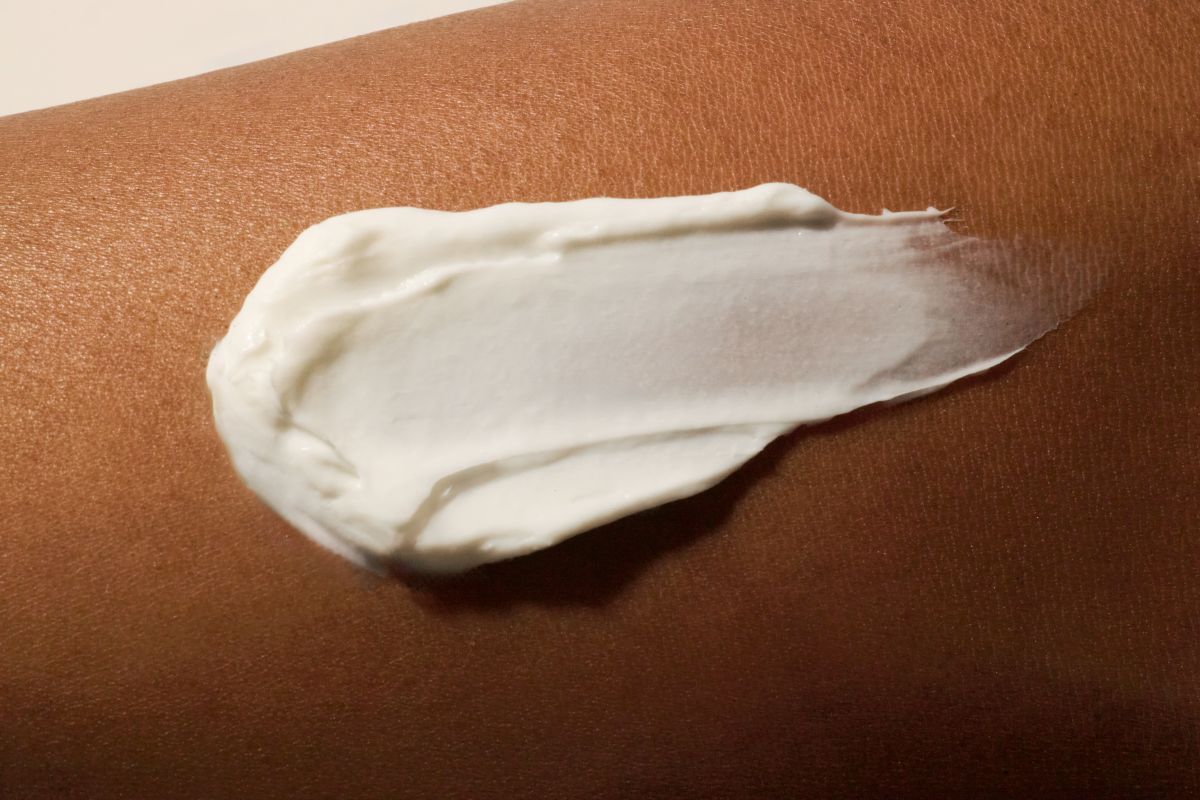 Marble7 combines bioactivity, formulation performance, and sensory appeal. feel and glide on multicategory applications.
According to Cresswell, several clinical studies demonstrate that Marble7 has benefits for skin barrier repair, hydration, and anti-inflammation.
These combined attributes allow formulators to navigate alternatives to conventional plant-, animal-, or petrochemical-derived lipid ingredients, while maintaining a focus on performance, consistency, and sensory appeal.
“Marble7 can be applied across multiple categories, including skin care, hair care, color cosmetics, and even dermocosmetics. We have seen how Marble7 can enable a new generation of clean label products due to its incredible sensory properties and multifunctionality,” Cresswell tells us.
He says the company sees high interest across various personal care applications, with an emphasis on products in which formulators are seeking to “combine skin-compatible bioactivity, formulation structure, and a distinctive sensory experience in one ingredient.”
Supply chain resilience in a volatile market
Precision fermentation boasts a variety of benefits in personal care applications, garnering growing attention from industry players. Melt&Marble outlinesPrecision fermentation can strengthen personal care supply chain resilience. that the process allows the company to control aspects of the lipids, such as fatty acid profile, structure, and melting behavior.
For supply chains, Cresswell explains that precision fermentation is a different production model from conventional plant- or animal-derived lipids. “Rather than depending on a specific crop, animal supply chain, or petrochemical input, we use yeast to convert simple feedstocks into targeted fats and lipids.”
“From a resilience perspective, this broadens sourcing options and reduces dependence on raw materials exposed to geopolitical disruption, transport bottlenecks, drought, or disease.”
Geopolitical volatility has had a cascading impact across industries, including personal care.
For example, the Iran war is impacting the personal care sector, causing many companies in the industry to increase their pricing. The conflict has led to a strain on the availability of raw materials for chemical suppliers and disrupted global supply chains. This has led to a rise in costs as companies attempt to navigate the instability.
Sustainable alternatives mitigate deforestation
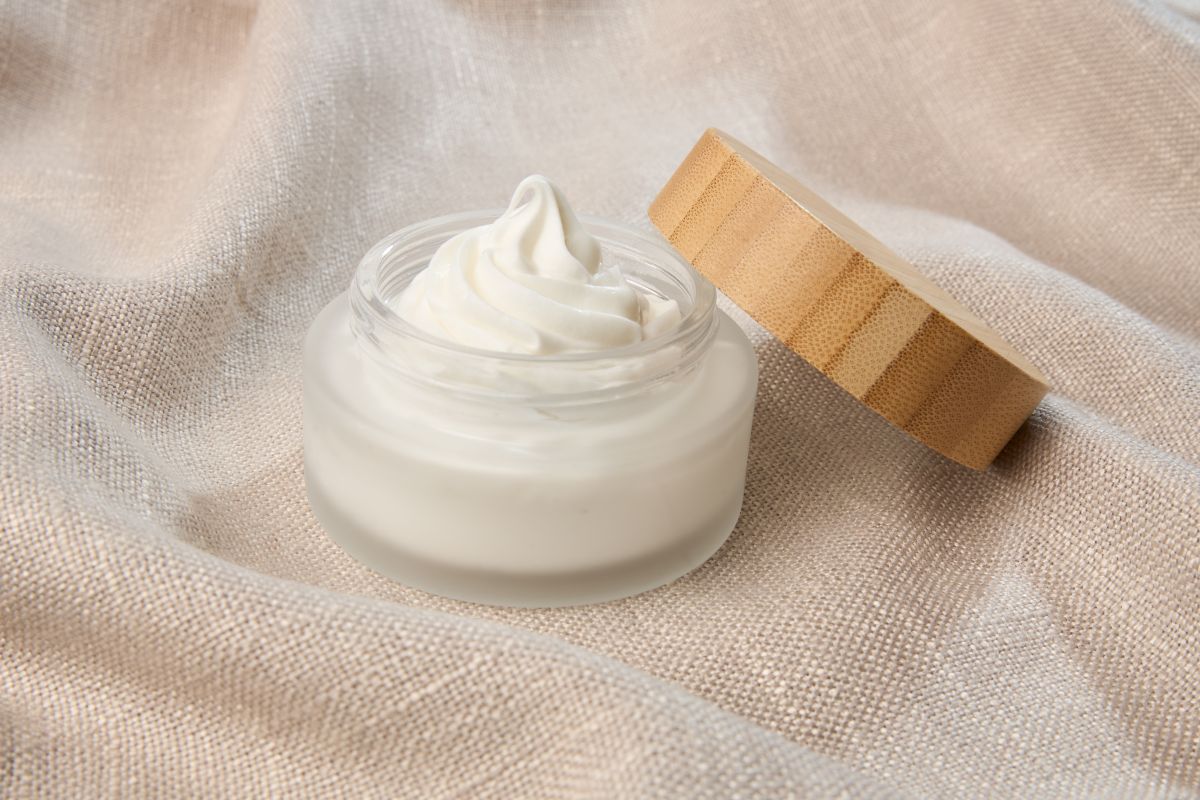 The ingredient offer a renewable alternative to plant- and animal-derived lipids. Marble7’s supply chain vigor goes hand-in-hand with its sustainability benefits, as it is a renewable alternative to what can be a resource-intensive industry.
Cresswell explains that, by using a flexible range of locally available plant-based feedstocks, the company can maintain reliable production and consistent product quality from batch to batch, “with far less exposure to climate-driven variability.”
“Many of the sources of fats that we replace are highly unsustainable; for example, emissions-heavy animal fats or fats like palm oil, which are associated with habitat destruction and deforestation,” says Cresswell.
Thomas Collier, CEO at Levur, previously told Personal Care Insights that palm oil cultivation causes significant deforestation, with an estimated forest area of 300 football fields to be cleared every hour for plantations.
The ingredient’s launch coincides with growing regulatory pressure, aiming to mitigate the beauty industry’s deforestation and climate impact. For example, the UK government announced a crackdown against illegal deforestation last month, with upcoming rules requiring companies that sell products sourced from rainforests to prove their supply chains are not linked to deforestation.
The UK’s rules could impact sourcing in the beauty industry, as forest-risk ingredients such as palm oil derivatives — as highlighted by Cresswell as an unsustainable fat — are expected to be affected.
Moving focus from food to beauty
The launch represents a commercial milestone for Melt&Marble as it marks the company’s expansion beyond food applications and into personal care. TheMelt&Marble has launched its first personal care ingredient, joining the growing list of companies setting their sights on beauty. move is one of many in the sector of food and personal care players setting their sights more sharply on beauty in an era of fiscal volatility.
Last month, International Flavors & Fragrances (IFF) agreed to sell its Food Ingredients business to private markets manager CVC Capital Partners, sharpening the ingredient supplier’s focus on scent, health, and biosciences. The divestiture is one of the largest ingredients-sector transactions in recent years.
A similar divestment move came from Unilever, which divested its Foods business with McCormick, setting up the packaged consumer goods giant to become a pure-play home and personal care business (HPC). Post-completion, Unilever will only operate across Beauty, Wellbeing, Personal Care, and Home Care. Its HPC sector achieved €39 billion (US$44.95 billion) in revenue based on fiscal year 2025.
In a move closer to Melt&Marble’s, earlier this year, Howtian introduced stevia-derived ingredients into cosmetic formulations as sensory modifiers. Stevia is a widely used natural sweetener in food and beverage applications. The introduction of the ingredient was fueled by industry-wide demand for plant-derived clean label sensory solutions.