


Unilever shifts focus to Home & Personal Care after divesting Foods business


Key takeaways
- Unilever is focusing on HPC following its Foods business merger with McCormick.
- The company aims to accelerate growth through premiumization and innovation in beauty, well-being, and personal care.
- Unilever’s strategy centers on simplifying its portfolio for faster execution and higher returns.
Unilever is set to become a pure-play home and personal care (HPC) business following an agreement to combine its Foods business with McCormick. Post-completion, Unilever will only operate across Beauty, Wellbeing, Personal Care, and Home Care.
Unilever has been slowly divesting its food portfolio and highlighting its personal care and home offerings over the past year. A large signifier of this was its SASSY campaign launched last year, which resulted in rolling revamps of heritage brands to cater to a younger and trend-driven audience.
The British-Dutch multinational says the transaction is another step to reshape Unilever into a simpler, sharper, higher growth company. In the announcement to sell its Foods category, Unilever calls HPC highly attractive categories with fast-growing geographies and channels.
The deal is expected to close by mid-2027, subject to McCormick shareholder approval, receipt of required regulatory approvals, and the satisfaction of other customary closing conditions. Works Council consultation will also be conducted prior to the closing of the transaction.
Pushing toward profit
Unilever claims to have delivered superior performance versus the HPC sector over the last three years. In that time period, the company’s pro forma portfolio (excluding the separated Foods business) has delivered a CAGR of 5.4%, underlying sales growth.
Last month, following the release of its Q4 and full-year financial results, Unilever said it would be focusing more on its Beauty & Wellbeing and Personal Care sectors. Its HPC sector achieved €39 billion (US$44.95 billion) in revenue based on fiscal year 2025.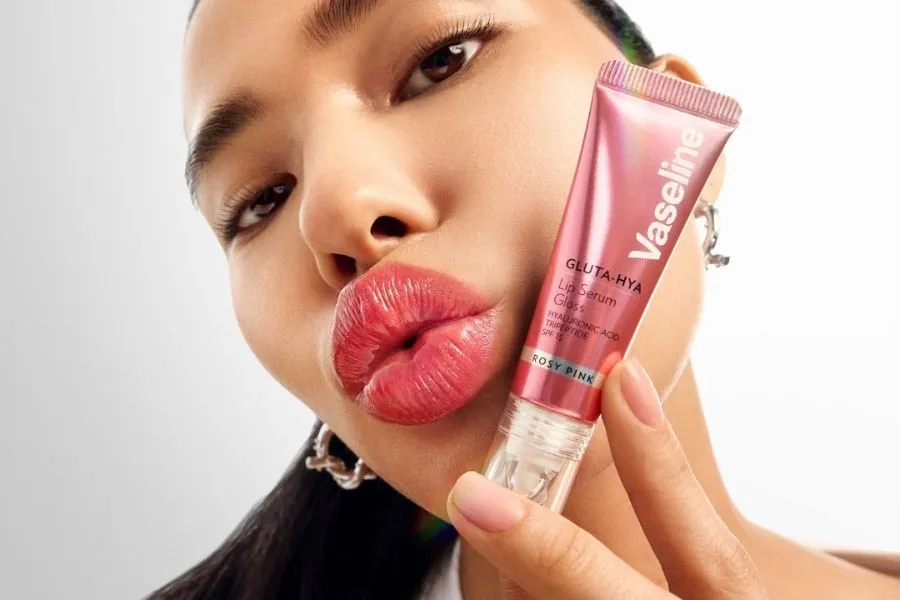 Innovation fuels Unilever’s premium personal care approach.
Fernando Fernandez, CEO of Unilever, says: “For Unilever, this transaction is another decisive step in sharpening our portfolio and accelerating our strategy toward high-growth categories… with a proven sector-leading growth profile. We are unlocking trapped value through a growth-led separation of Foods, creating a scaled, global flavor powerhouse.”
The company says its focus, now dedicated entirely to the personal care industry, will strengthen the value creation model for shareholders. Its resources will now go toward categories with strong structural growth and the highest returns.
“Having carefully evaluated the potential strategic options for its Foods business, the Unilever Board believes the transaction is in the best interests of Unilever’s shareholders. It will unlock value, enhance the Group’s structural growth profile and simplify the portfolio, enabling greater speed of execution, repeatability at a global level and enhanced returns on investment,” says Unilever.
Following separation, and based on FY25 revenues, Unilever expects an enhanced category footprint, with Beauty, Wellbeing, and Personal Care contributing 67% of group turnover (versus 51% in FY25) and with 90% of group revenues in number one or number two positions at a category/geography cell level (based on 322 cells’ market share).
Premiumization of personal care
Unilever’s priority of personal care suggests that it believes the category has a higher growth potential than food. The company says the sector’s structural tailwinds, driven by premiumization, science-led innovation, and exposure to faster-growing channels, are motivators in the new deal.
In Q3 of 2025, Unilever reported 3.9% sales growth and a turnover of €14.7 billion (US$17.1 billion), marking a 3.5% decline compared to the previous year. The company’s Beauty and Wellbeing and Personal Care divisions were the strongest performers.
The financial report shortly followed the company’s announcement of a broader strategy to “premiumize” everyday brands and build what it calls “Desire at Scale.” 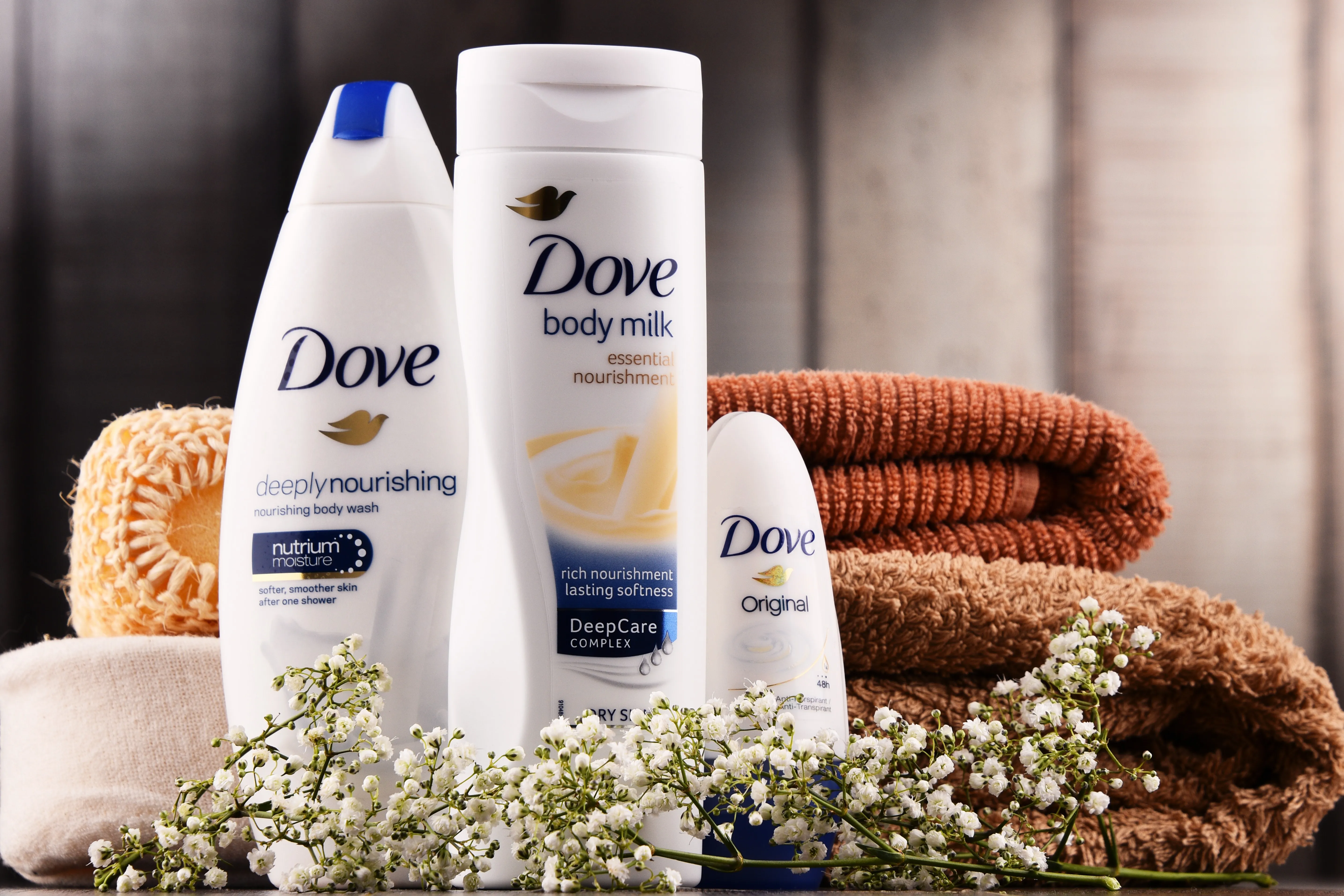 Unilever’s deal with McCormick redefines its portfolio.
“We’re on a journey to premiumize our brands — luxury brands have long mastered the art of creating that ‘I just have to have it’ feeling, and there’s a lot to learn from how they spark desire,” Esi Eggleston Bracey, chief growth and marketing officer at Unilever, told us.
Unilever has followed through on this promise and has largely altered the marketing of its legacy personal care brands. For example, earlier this month, Vaseline was reengineered to make the legacy brand more desirable, sensorial, and culturally fluent. It released a lip product targeted at Gen Z and Gen Alpha by meeting their demand for skin care that bridges credibility and color.
“Heritage brands don’t stay relevant by standing still. They stay relevant by translating trust into innovations that move with culture,” Melissa Houston, global associate brand director of Vaseline at Unilever, told Personal Care Insights.
Additionally, the company repositioned its legacy germ-protection soap brand, Lifebuoy, as a skin barrier-protecting, science-backed line. The decision was part of the company’s ongoing Desire At Scale marketing model.
Focus on fragrance
Unilever has exemplified its increasing interest in the fragrance sector through recent investments.
Last year, the company announced an investment of £80 million (US$107 million) to build in-house fragrance capabilities in the UK. The investment went to establishing a fragrance facility in Port Sunlight (subject to planning permission), developing digital capabilities, and recruiting fragrance talent and expertise.
Following, Unilever opened a fragrance lab in Connecticut, US, to speed up scent development by combining digital tools, artificial intelligence (AI), and consumer insights. The lab aims to boost product appeal by developing personalized, trend-driven fragrances for North American consumers.
Strengthening personal care portfolio
The multinational consumer goods company has also moved to boost its personal care portfolio through multiple beauty acquisitions last year.
In April of 2025, Hindustan Unilever Limited acquired over 90% of the India-based brand Minimalist. In the same month, Unilever acquired the digital native personal care brand Wild, known for its refillable deodorant packaging.
In the summer, Unilever signed a deal to acquire men’s personal care brand Dr. Squatch from Summit Partners to expand its men’s care portfolio. Dr. Squatch’s products include natural body washes and soaps, hair care, skin care, deodorants, and other products for men’s grooming.