

Diving into Ulta’s Q1 2026 results: Trends and opportunities for beauty brands on the horizon
The report highlights strategies for brands to thrive across dynamic and burgeoning beauty categories.


Key takeaways
- With 93 new brands entering in just one quarter, Ulta’s Body Care category is booming, driven by premium deodorants and niche products.
- Accessible price points are dominating in Makeup, with brands like E.L.F. Cosmetics leading the way. In fragrance, niche scents and affordable luxury are gaining traction.
- Brands investing in paid visibility, particularly top-of-search placements, are seeing significant gains. Sponsored activity is now a critical component of success.
Ulta’s Q1 2026 Report discovers insights that are positioned as valuable for today’s brands entering — or already in — the evolving personal care market. According to Ulta’s global insights, brands should examine the growth levers highlighted in its latest financial report, particularly in categories such as Body Care, Hair Care, Skin Care, Makeup, and Fragrance, which are positioned for future growth.
This data offers a roadmap for personal care brands looking to navigate today’s changing market dynamics.
Personal Care Insights takes a deep dive into Ulta’s Q1 Report, examining data-driven analysis and exploring what brands can learn from the report, with a specific focus on areas of growth and emerging opportunities.
Body Care: A key growth engine
The Body Care category was a standout performer in Q1, expanding significantly with 93 new brands entering the market in the quarter.
Brands looking to capitalize on the rising demand in this space should focus on targeted, efficacy-driven positioning, particularly around products like premium deodorants and specialized body care offerings, such as those for ingrown hair treatments and pregnancy oils.
 The Q1 2026 Ulta Report offers a roadmap for personal care brands looking to navigate the changing market dynamics.Popular among beauty consumers, brands like Sol de Janeiro have successfully integrated body care into their broader beauty and wellness positioning. Their cross-category dominance — across both Body and Fragrance — highlights the importance of offering diverse product lines that can resonate with consumers on multiple levels.
According to Ulta, Body Care is no longer a secondary category but a “strategic pillar.” Companies should focus on providing unique value propositions, whether it’s through premium product offerings or specific efficacy-based claims. Additionally, through a reported 23% of body care brands in the Top 5 brands controlling this market share, it is clear that differentiation through targeted consumer needs, such as wellness or clinical efficacy, is gaining importance.
Hair Care’s premium positioning
Ulta’s Hair Care category saw the emergence of Cécred, singer Beyoncé’s hair care brand, which debuted with significant velocity, capturing 2.4% brand share. Its Restoring Hair & Edge Drops debuted as the #1 item in all of Hair Care.
Brands such as Redken continue to lead with a broad line of products catering to diverse hair concerns, while Ouai invests heavily in paid visibility to challenge incumbents.
The hair care market remains fiercely competitive, but emerging brands like Cécred and Ouai prove that strong brand equity and paid media investment can further drive significant growth.
To succeed in a crowded and competitive marketplace, Ulta believes its brands should prioritize targeted treatments and consider building strong celebrity-backed narratives that resonate with consumers.
There has also been a notable focus on scalp health and bond repair, as previously reported by Personal Care Insights, with brands jumping on the trend of skinification in hair care.
Loyalty and efficacy lead the way in Skin Care
Bio-Oil, with decades of consumer trust, is the #2 item in Body Care at 0.6% share. Its Skin Care Oil for Scars and Stretch Marks continues to perform strongly, showing no signs of slowing down among Ulta’s Body shoppers.
La Roche-Posay continues to dominate in skin care, securing an 8.7% share with strong product placement across its top items. Its success is rooted in a loyal customer base and a focus on active ingredients and clinical efficacy. The brand is having its strongest Ulta performance in recent memory, placing four products in the Skin Care category’s top 5.
Similarly, Korean skin care brand Anua has gained 1.7% share, proving that effective, value-priced products resonate well in the market. Interest in K-beauty continues to dominate the skin care market, as it is known for innovation, offering unique ingredients and formulations not typically found in Western skin care products.
In another K-beauty spotlight, Medicube arrived in Skin Care with four new items in the top items list on debut, the strongest K-beauty entrance at Ulta this quarter.
Additionally, the Skin Care market rewards brands that are able to balance clinical efficacy with consumer loyalty. Products that consistently deliver visible results and cater to specific skin care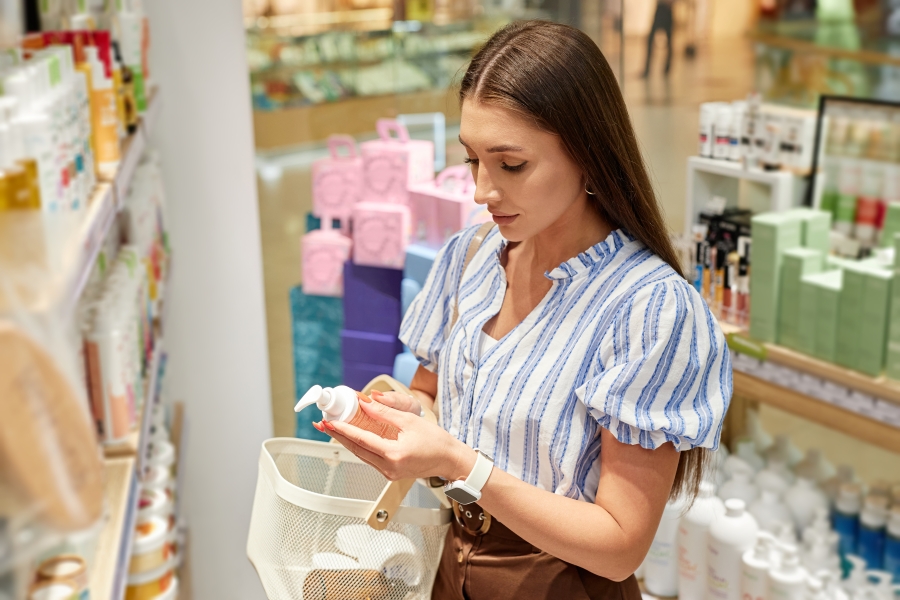 Skin Care brands should continue to deliver clinical results that resonate with their core consumer base. concerns — such as acne, hydration, and anti-aging — will continue to win consumer trust.
Ulta also highlights that clean beauty formulations, as well as active ingredients, are an important driver for consumers.
Accessibility drives Makeup market
Ulta’s makeup category results in Q1 are defined predominantly by growth in E.L.F. Cosmetics, which now holds the #1 spot with 4.1% share. Other brands, such as NYX Professional Makeup and Ulta Beauty Collection, are gaining traction by focusing on accessible price points, with most growth seen in the US$9–US$11 range.
As reported by Personal Care Insights last month, NYX Professional Makeup launched its Fat Oil Body collection, expanding its artistry portfolio from face to body care for the first time in its 27-year history. Building on the brand’s Fat Oil lip solution, the Fat Oil Body collection signals a strategic evolution toward full-body beauty and self-expression, further showcasing that the global body care market is experiencing significant growth and demand.
The launch of the Fat Oil Body collection marks a new chapter for NYX Professional Makeup, which will see the brand expand its presence to the body care aisle, linking back to the growth in the Body Care market.
At In-cosmetics Global 2026, Personal Care Insights spoke to Provital about Intensilk, an ingredient designed specifically for body care longevity. The launch indicates a broader shift toward full-body care.
Meanwhile, established players like Tarte and Clinique have maintained strong positions but are facing pressure from affordable alternatives.
Ulta’s Q1 report signals a shift in the Makeup industry toward value-driven accessibility. To remain competitive, brands should focus on offering high-quality products at price points that appeal to a broader demographic, especially in the US$10–US$15 range.
Additionally, viral social media trends continue to play a crucial role in driving engagement and sales.
In March, Ulta revealed that the company will launch on TikTok Shop. According to the company, the virtual shop marks the end of siloed channel retail strategies and serves as a watershed moment for the personal care industry. The shop is said to feature an exclusively curated brand assortment, showcasing how social media is key in consumer purchases.
Premiumization and niche scents in Fragrance
Fragrance is one of the most dynamic categories, as reported in Ulta’s Q1 Report, with brands like Yves Saint Laurent leading the way at 7.7% share.
While legacy brands seem to reign supreme in the category, newcomer Better World Fragrance House, a Los Angeles-based luxury fragrance brand founded by artist Drake, has disrupted the market by quickly gaining 3.3% share, showcasing the power of niche, artisanal scents.
Sol de Janeiro continues to dominate in fragrance with its body mists, signaling a shift toward affordable luxury and multi-use products.
Brands are realizing that the fragrance market is diversifying, with an increasing preference for niche, artisanal scents that align with consumers’ personal identities.
 Body Care and Fragrance offer significant room for differentiation, especially with niche and premium products.At the same time, affordable luxury is fast-becoming a powerful tool that connects with a wider audience without compromising on quality. Ulta’s report suggests that brands should explore both premium and niche routes to carve out a position in the fragrance category.
Sponsorship and paid visibility
Across multiple categories, sponsored activity has become a critical driver of visibility, with brands like No7, Ouai, and NYX investing heavily in top-of-search placements. As brands increasingly recognize the value of strategic sponsorships and paid media investment, those that dominate in this space are seeing tangible benefits.
The competitive landscape is shifting toward paid visibility and sponsorships. Brands should focus on maximizing their media spend across high-traffic platforms like Ulta to ensure they remain visible in a crowded marketplace.
By understanding these trends and adapting to the shifting consumer preferences, brands can position themselves for sustained growth in these personal care markets.