

Banana Boat says “get outside stat” to inspire outdoor time with easy sun care


Key takeaways
- Banana Boat’s “Get Outside Stat” campaign encourages people to spend more time outdoors, promoting sun care as a part of everyday life.
- The campaign highlights the need for lightweight, non-greasy sunscreens that are convenient and affordable for daily use.
- Banana Boat aims to reduce barriers to outdoor activities by making sun protection effortless and accessible for everyone.

Banana Boat has launched its “Get Outside Stat” campaign, urging people to leave their houses and experience the summer. Through a large-scale survey, the SPF company found that US Americans are missing the summer as they opt to stay indoors.
The campaign aims to encourage people to leave their houses by making UV protection more widespread and desirable.
More and more, people are spending their time at home due to financial constraints and friction-free access to the world via the internet. When shopping, dating, and eating are all accessible through a screen, the incentive to walk out the door is diminishing rapidly.
The personal care industry is feeling this rift. While the home care sector is benefitting from the increased consumer propensity to stay indoors, the sun care segment is feeling the ripples negatively.
Personal Care Insights speaks to Jennifer Campbell, senior brand strategy manager at Banana Boat, about broader changes in lifestyles and category demands, consumer response, and sun care as an enabler for outdoor time.
Joys of the outdoors
Banana Boat promotes everyday outdoor moments with easy sun protection.
The campaign is based on the core tenet that much of life’s joys are missed if it is spent indoors.
“It is immediate, shared, and uncomplicated, the feeling you get the moment you step outside. Being more digitally connected hasn’t replaced that feeling, and most people recognize it. In fact, nearly three in four consumers told us summer goes by too fast,” says Campbell.
Although consumers are spending more time in their homes, they do not value their time outdoors less, she emphasizes.
“In many ways, they value it more than ever. The challenge is that modern life has made staying inside easier, more convenient, and more habitual,” she says. “Work, entertainment, shopping, and even social connections increasingly happen through screens, and suddenly summer can pass before people realize they never really stepped into it.”
For Banana Boat, these insights are shaping how it approaches its role in the category. The company cites a responsibility to lower the threshold for going outside by developing thoughtfully formulated, dermatologist and pediatrician-tested products that feel lightweight, comfortable, and accessible.
“Sun care is no longer just about beach vacations or pool days. It’s becoming part of everyday outdoor living, from walking the dog to sitting at the ballfield to grilling with friends. Consumers want products that fit naturally into those moments and help make getting outside feel easier, not more complicated,” says Campbell.
Behavioral barriers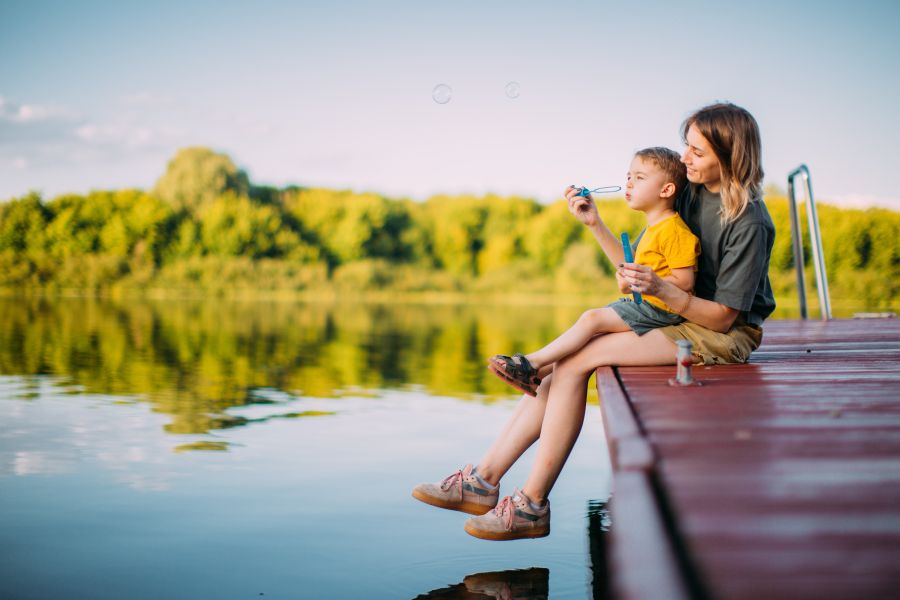
The company is encouraging people to get outside, combating survey stats.
A large portion of the reason people opt to stay indoors is friction, Campbell explains. With busy routines and overscheduled lifestyles, people are increasingly orienting toward day-to-day convenience. “Screens are absolutely part of it, but so is the feeling that getting outside requires more effort than staying in,” she says.
Outdoor time is less naturally integrated into everyday lifestyles and increasingly feels like something consumers need to plan for. Sunscreen that feels greasy, heavy, inconvenient, or expensive becomes more of a barrier.
“The industry has to respond by making protection feel more effortless and wearable for real life. Lightweight textures, invisible finishes, products that work across skin tones, easy formats people can throw in a bag or car, and price points that feel accessible enough for daily use all matter,” says Campbell.
The company developed its Sheer Sensitive sunscreen lotion for this reason. While the sensitive skin segment rapidly grows — demand for “sensitive skin” claims is up more than 40%, and “derm” claims have nearly doubled, according to Campbell — it possesses the risk of overwhelming consumers who can no longer ascertain which brands to trust.
“Sheer Sensitive was designed to cut through that noise,” says Campbell. “It delivers the invisible feel consumers want, with no white cast or greasy texture, while remaining highly accessible at roughly 60% less than many comparable products. It’s about giving people a sunscreen that feels good, works well, and doesn’t force a tradeoff.”
The insights revealed by the campaign show that consumers desire no-fuss sun care that can integrate easily into their lives, Campbell tells us.
“The future of the category is not just higher SPF or more claims. It’s products that people genuinely enjoy using and can see themselves using every day.”
Sheer Sensitive was intentionally created to deliver a product aligned with daily use without compromise.
“It also changes how we think about partnerships and storytelling,” says Campbell about everyday SPF without a premium price barrier.
“Outdoor life is broader than beaches and pools. It includes parks, sports, pets, concerts, neighborhood gatherings, reading outside, grilling with friends, and everyday moments closer to home. We want to continue meeting consumers where they are at and making sun protection feel like a natural part of living fully outside, not something that interrupts it.”
SPF brand to outdoor facilitator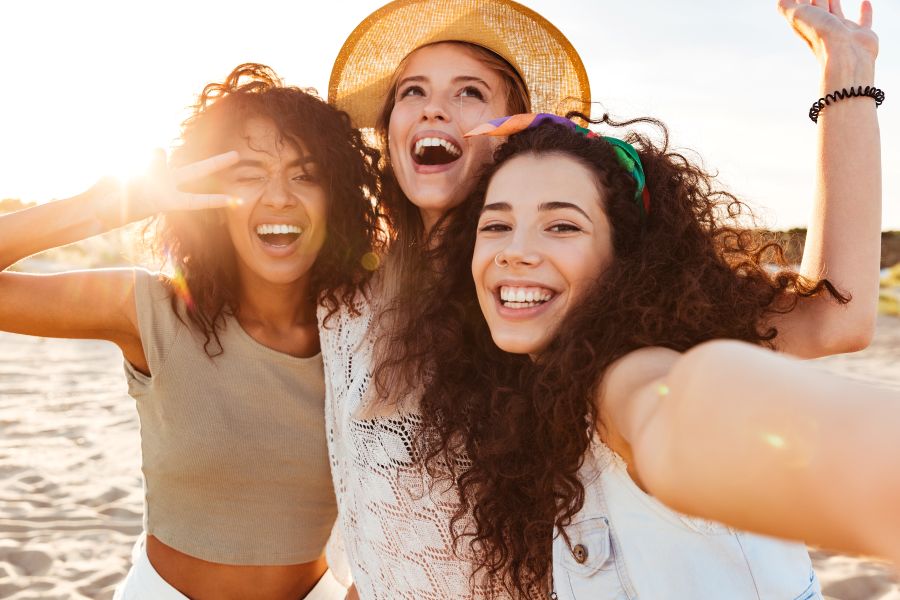 The dynamics of modern living has made it harder to naturally access outdoor moments.
As a brand that is associated with cherished summertime memories, Banana Boat acknowledges the evolving emotional dimension in which consumers relate to its products.
“For more than 50 years, Banana Boat has been part of some of the most universal and nostalgic moments of summer. Pool days that turn into sunset dinners. Lake weekends. Backyard cookouts. Kids running through sprinklers. Last-minute plans that somehow become the memories people talk about for years. Those simple outdoor moments are deeply emotional because almost everyone has a version of them. That feeling of togetherness, freedom, and being fully present outside is what this brand has always stood for,” says Campbell.
The campaign recognizes that, despite the increased time spent indoors, people still “deeply long for those experiences,” but that the dynamics of modern living has made it harder to naturally access them.
Campbell refers to this internal discrepancy between consumers’ desires and actions as the tension in the campaign. “We’re building awareness around what people risk losing when they stay inside too long. In many ways, it’s creating a little bit of FOMO (fear of missing out) around the moments that make summer feel like summer.”
In doing so, the company positions itself as an actor in removing barriers between people and outdoor experiences. Either through product innovation or “simply reminding people that outdoor joy does not have to be elaborate or curated to matter and that some of the best moments happen right outside their front door with the people already around them.”
A communal campaign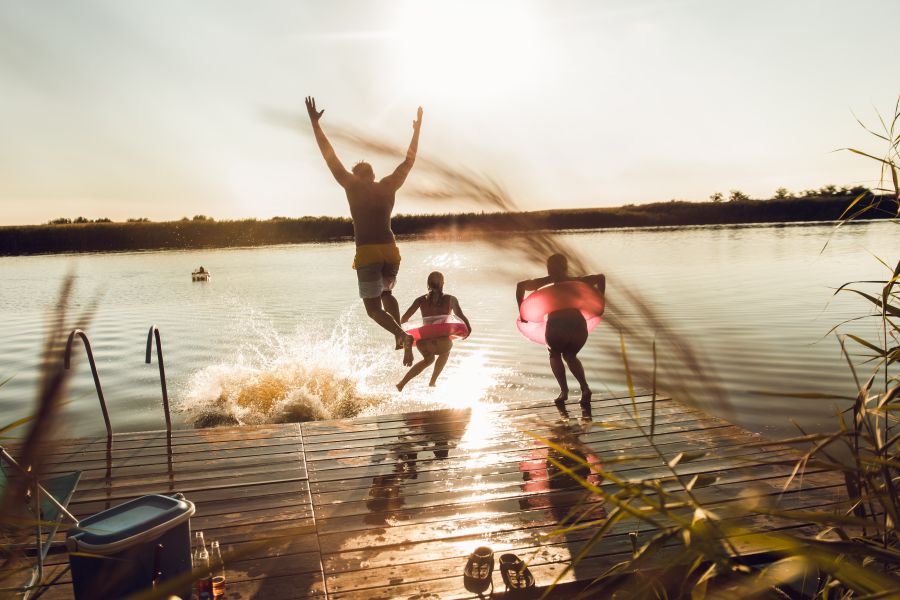 Creators and consumers are interacting with the campaign by sharing relatable moments,
The company is looking at behavioral engagement signals as well as traditional business metrics to gauge the effectiveness of the campaign. “We’ll monitor brand health, household penetration, sales performance, and social engagement, but this campaign is also designed to create participation,” says Campbell.
She expresses that the campaign is already seeing creators and consumers interacting with the campaign by sharing relatable moments and discussing how to spend more time outdoors and defy the statistics.
“That level of recognition and conversation matters because it shows the campaign is resonating emotionally, not just commercially,” says Campbell.
“We also intentionally built the campaign to live beyond traditional outdoor categories. We partnered with creators in spaces like pets, cooking, reading, and lifestyle because we wanted to show that getting outside is accessible to everyone, not just people who already identify as highly outdoorsy.”
“The early signals tell us people see themselves in the campaign, and that’s the first step toward behavior change,” Campbell concludes.