

Gen Z wants wellness and enjoyment in home care, Clorox reports

Key takeaways
- Consumers are increasingly viewing home care as a source of self-care and wellness, not just a chore.
- Gen Z is reshaping cleaning habits, favoring simplicity, enjoyment, and mental health benefits.
- The demand for versatile, multi-purpose cleaners and for attention to home environment health, such as air and water quality, is rising.
The Clorox Company’s Home Care Redefined report has revealed that US consumers approach home care as a source of enjoyment and well-being. Simplicity, versatility, and visible results are highlighted as key features of younger consumers’ cleaning product preferences. The report is described as a “first-of-its-kind” insight into the shifting culture of home care.
Consumers are approaching home care as a form of self-care and a way to fulfill routine rather than as chores to be begrudgingly completed. Younger generations’ wellness-focused and proactive approaches to home care are increasing the home’s influence on family health. Sentiments around convenience in home care are also shifting toward ease and pleasure rather than speed.
“When time and money feel more precious than ever, people are looking for superior experiences that feel worthwhile, supportive, and even rewarding,” says Oksana Sobol, VP of marketing insights at The Clorox Company.
The report provides an overview of how consumers’ relationships with their homes are changing and how these changes affect their engagement with home care products. By gaining this understanding of consumer demands, needs, and mindsets, the findings aim to drive product innovation and improve shopping experiences.
The report is organized into three sections: Time at Home, Wellness at Home, and Convenience at Home. It integrates long-term insights by looking at trends from the “now, next, and future” perspectives.
According to the report, US consumers are spending approximately 5.6 hours a week on cleaning, up by 0.6 hours from 2016. Clorox also reports that these consumers are incorporating two extra cleaning sessions into their weekly schedules. The increase is more visible in parents and people with pets.
People are also adding cleaning to their daily routines through “in-the-flow” spruces, with quick, targeted cleaning moments sprinkled throughout their day rather than designating blocks of time for chores.
The purpose behind cleaning is also shifting from necessity to well-being choice. Rather than viewing cleaning as a functional hygiene requirement, most consumers cite emotional and social factors as the primary reason for cleaning.
The report flags that 60% of US consumers see cleaning as a mood and confidence booster, improving their mental health as time at home increases. The company discusses cleaning as a “secret weapon for their mental health” and a way for consumers to “find peace and control in an increasingly volatile world.”
Next-gen cleaning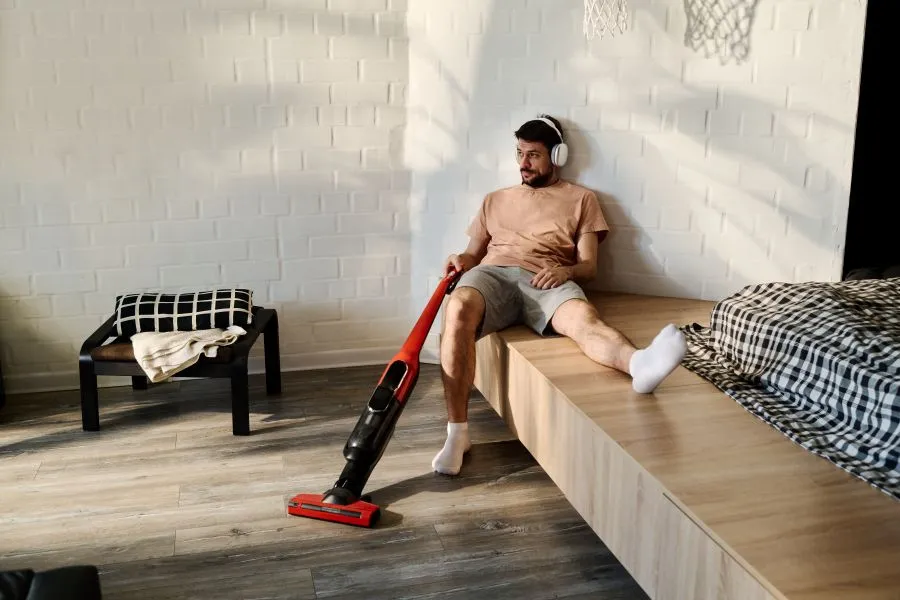
Cleaning is becoming a source of mental wellness and confidence for many.
Gen Z is shaping home care trends with their whimsy. The latest generation of adults is reframing mundane daily tasks of grown-up life into moments to romanticize through trends like “girl dinner,” “mental health walks,” and “giving the dishes a bath,” says Clorox.
The generation is redefining cleaning as a pleasurable experience, with 49% reporting looking forward to it, compared with 18% among older consumers. They are also lowering the bar for what is sufficient, with 41% feeling that simple tasks are enough instead of deep cleaning.
Looking at the journey as well as the destination, the concept of convenience is moving from speed to ease and enjoyment. The report finds that three out of four consumers opt for simplicity by using multi-purpose cleaners rather than specialized ones.
Furthermore, as consumer awareness rises, people are gaining a deeper understanding of the health effects of their home environments. Subsequently, water filtration and air quality management are becoming increasingly popular.
A vast majority of consumers (89%) report that their self-image is positively impacted by a clean-smelling home. Younger consumers are also paying more attention to detail, with 21% reporting a preference for trash bags that match their home decor.
Page out of its own book
The Clorox Company has been practicing what it preaches, rolling out two brand moves earlier this week: a cat litter rebrand and a youth-oriented ad campaign.
As part of its social-first approach, the company launched its Unleash the Bleach social-media campaign in collaboration with social media personalities Rhett and Link today. The campaign aims to make bleach products more approachable to zillennials — the micro-generation between millennials and Gen Z.
Centered around a long-form online episode, the campaign partners with the hosts of Good Mythical Morning, who have cultivated a following with the micro-generation over the past 13 years.
“We’re meeting younger audiences where they already spend time, using creator-driven storytelling to attract and engage new consumers,” says the company.
Meanwhile, Clorox subsidiary Fresh Step has freshened up its branding to maintain a connection with modern feline parents. The rebrand aims to deliver an upgraded consumer experience by introducing clearer brand values and improved performance.
Notably, the rebrand introduces its Lightweight litter in a jug format, moving away from carton box packaging. Furthermore, it is launching the Odor Shield Lightweight with Gain Fresh scent, addressing sensory demands.
According to Clorox, cat ownership is also on the rise, with millennials and Gen Z driving 100% of new cat households. The campaign is also reclaiming the “crazy” cat lovers stereotype by asking, “Is It Crazy or Is It Love?”