

Lubrizol spots holistic shift toward proactive beauty and healthy aging in APAC women


Key takeaways
- APAC women are increasingly adopting proactive health and beauty approaches, with around one in three managing concerns before they become significant.
- Interest in ingestible beauty solutions rises with age, increasing from 32% among younger consumers to 41% in the Healthy Longevity stage.
- Brands can address evolving needs through science-backed solutions combining beauty, nutrition, wellness, and healthy aging benefits.
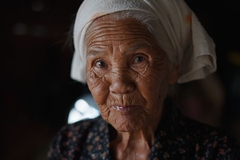
Lubrizol has released a white paper showing that women in the Asia Pacific (APAC) region, particularly China, increasingly see beauty as something to maintain proactively rather than react to once problems appear. The demographic is also increasingly associating beauty with internal health, contributing to a growing beauty-from-within space.
In the white paper titled Women’s Health & Beauty Needs Across Life Stages in APAC, Lubrizol outlines the emerging industry opportunities as women’s health and beauty needs evolve across life stages.
According to the global specialty chemicals company, the biggest opportunity lies in developing science-backed, life-stage-specific solutions that bridge beauty, wellness, and healthy aging, supported by visible benefits, credible evidence, and long-term safety.
Denny Liauw, APAC Regional Marketing Manager, Pharma & Nutra at Lubrizol, tells Personal Care Insights that the white paper findings challenge conventional thinking by showing that beauty does not become less important with age. “Instead, what beauty means evolves,” he says.
We discuss the shift in women’s health and beauty priorities toward prevention-led approaches, and the consistent motivations behind health and beauty choices for the demographic, rooted in self-esteem and resilience.
Proactive beauty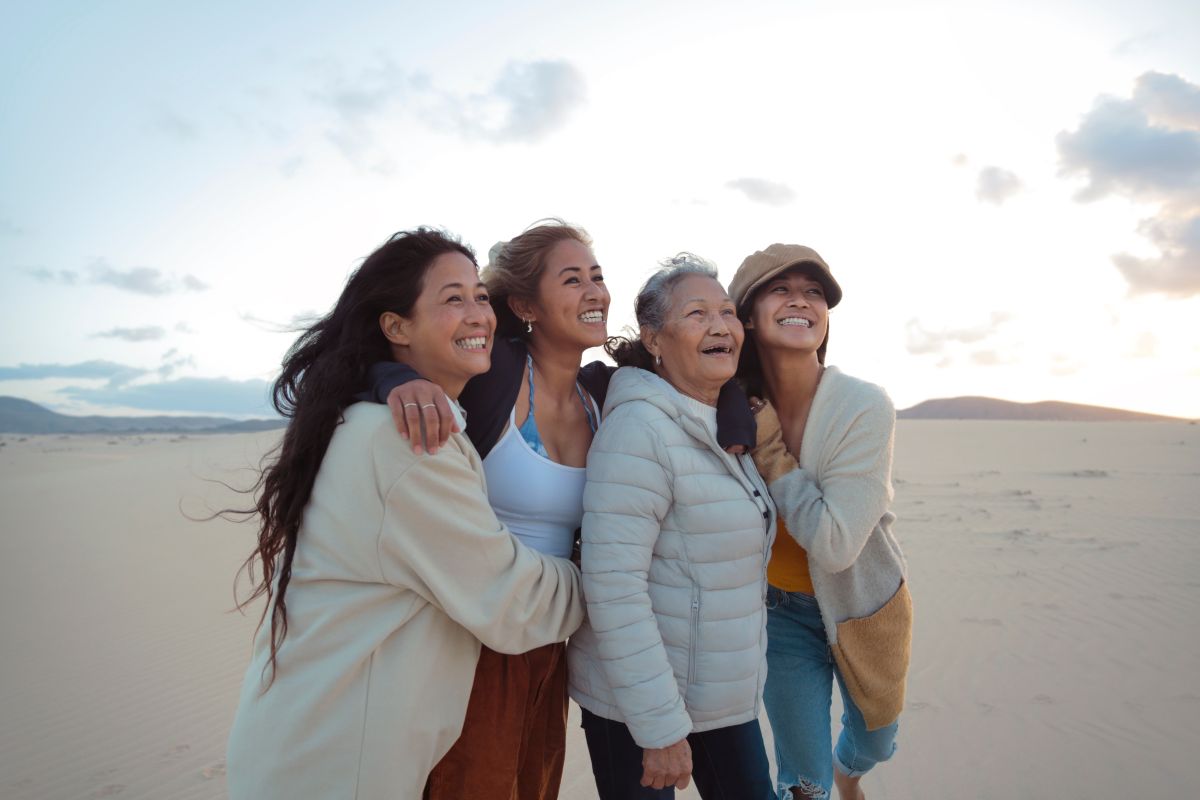
Women are increasingly seeking proactive beauty and wellness solutions across life stages.
Liauw tells us that one of the strongest findings from the research across China, Korea, and Indonesia was a clear shift from a reactive mindset toward a more proactive, prevention-led approach to health and beauty.
“Women are taking action earlier to support their health, appearance, energy, and quality of life over time. Approximately one in three respondents across the markets studied are already managing health and beauty concerns before they appear or become significant,” he says.
He tells us that despite personal priorities evolving across life stages, the underlying aspirations for beauty and health remain “remarkably consistent” as consumers ultimately wish to remain confident, active, and independent for longer.
“The clearest unmet need we identified is relevance,” says Liauw.
“In China, 66% of respondents feel underserved by the options currently available, while 87% prefer solutions tailored to their current life stage. Consumers are not simply asking for more products. They are looking for solutions that better reflect the realities of their lives and their changing needs.”
Beauty through life stages
According to Liauw, appearance remains important across all life stages, but with age, consumers increasingly view it as part of a broader well-being journey.
The study outlines four life stages: Active Life & Career (Ages 20–39), Family Planning & Motherhood (Ages 20-39), Midlife Transition (Ages 40–55), and Healthy Longevity (Ages 55+).
“Among younger respondents, beauty is closely linked to confidence, social presence, and performance. As women move through midlife and into the Healthy Longevity stage, beauty becomes more closely connected to vitality, resilience, and overall well-being.”
The white paper also found that as women age, they gravitate toward beauty-from-within solutions.
“Across the three markets studied, consideration of internal nutritional support for long-term beauty needs increased from 32% among younger respondents to 41% among respondents in the Healthy Longevity stage. This suggests that consumers increasingly see beauty as a long-term, inside-out journey rather than simply a response to visible concerns.”
Liauw says that while noticeable benefits are important across all three markets, the factors that build trust vary.
Life-stage-specific innovations address evolving women's health and beauty needs.
“Among respondents in China, gentleness, safety reassurance, and personal relevance were particularly important. Respondents in Korea placed greater emphasis on clinical evidence and health care professional endorsement, while respondents in Indonesia showed a strong focus on benefits they could clearly see or feel.”
Formulator opportunities
Drawing from the white paper’s findings, Liauw tells us that opportunities for brands and formulators lie in moving beyond traditional product categories and innovating around life-stage needs.
“For women in the Active Life & Career stage, priorities include proactive beauty, energy, recovery, and maintaining a healthy appearance. This creates potential for beauty from within, cognitive wellness, stress management, and energy solutions that support demanding lifestyles and help consumers feel focused, resilient, and confident.”
He tells us that during Family Planning & Motherhood, reassurance and protection become crucial. “Women seek solutions supported by credible evidence, with strong reassurance around gentleness, tolerability, and suitability during pregnancy and early motherhood.”
In personal care applications, Liauw says skin care designed around the specific needs of this stage represents important areas for innovation.
For women in Midlife Transition, the opportunity is to address needs that are becoming increasingly interconnected as consumers seek a more holistic approach that balances well-being with skin health.
Finally, for consumers in the Healthy Longevity stage, innovation should focus less on anti-aging and more on active longevity, Liauw tells us.
“From a format perspective, we also see significant potential in beauty-from-within and complementary topical and ingestible approaches. These can connect outward appearance with internal well-being through one clear, consumer-relevant proposition.”
The future is holistic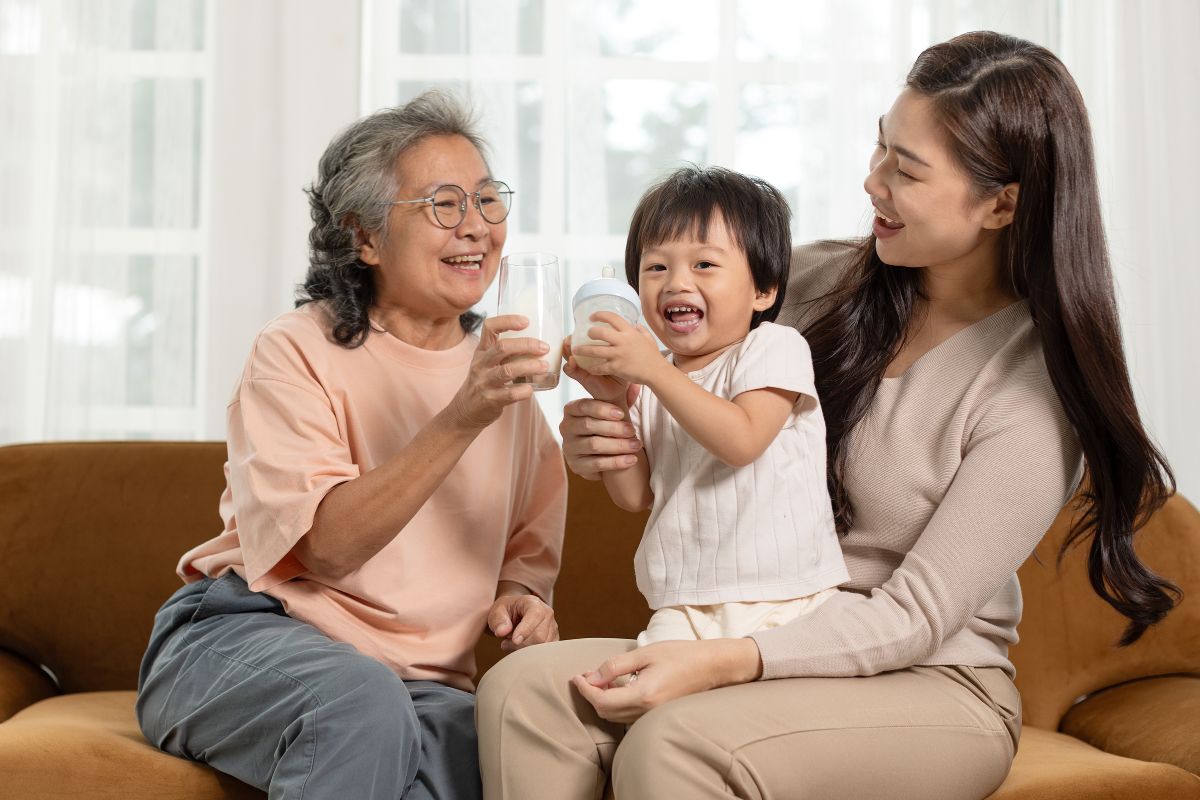
Beauty-from-within approaches connect nutrition, skin health, and healthy aging.
According to Liauw, Lubrizol sees the future of women’s health and beauty as being defined by greater integration across segments and functions.
“Consumers do not necessarily separate beauty, sleep, stress, hormonal well-being, nutrition, energy, and healthy longevity into isolated categories. They increasingly view them as interconnected aspects of the same well-being journey,” he explains.
He outlines three principles that Lubrizol projects will shape the next generation of innovation.
The company emphasizes life-stage relevance, rather than one-size-fits-all products; noticeable benefits that consumers can recognize and understand; and holistic solutions that connect beauty, nutrition, and well-being.
Liauw says that execution must also reflect market-specific expectations. “In China, brands can place greater emphasis on proactive well-being, beauty from within, and reassurance around gentleness and safety.”
In Korea, however, clinical backing and expert recommendation are more significant to building trust. Whereas in Indonesia, clearly communicated, noticeable benefits may provide a particularly effective route to adoption, according to Liauw.
“Ultimately, the next generation of women’s health and beauty solutions will move beyond addressing isolated concerns. The opportunity is to help women maintain what matters most to them: confidence, vitality, and independence throughout every stage of life,” Liauw concludes.