


China adopts first mandatory national cosmetics safety standard


Key takeaways
- China has released its first mandatory national cosmetics safety standard, effective January 1, 2028.
- The rules tighten limits on microbes, heavy metals, and harmful substances, with stricter requirements for children’s cosmetics.
- The standard consolidates fragmented requirements and brings China’s cosmetics framework closer to EU and ISO standards.
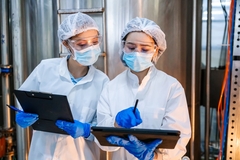
China has introduced its first mandatory national safety standard regulating cosmetic products, placing limits on microbes, heavy metals, and harmful substances. The move marks the graduation of cosmetics standards from a matter of hygiene to a matter of safety in the country.
The State Administration for Market Regulation (SAMR) with the Standardization Administration of China (SAC), aims to make products for children safer. The new rules will take effect on January 1, 2028.
The standard, Cosmetics – General Safety Requirements, will replace the Hygienic Standard for Cosmetics, published in 1987.
“This standard serves as the foundational safety benchmark for all cosmetics produced and sold in China. It marks a significant upgrade from the previous hygiene standard to a comprehensive safety standard, to better safeguard public health in cosmetic use and support high-quality development of the industry,” China Daily reports authorities as saying.
The replacement arrives in a booming Chinese cosmetic market. According to CIRS Group (Chemical Inspection and Regulation Service), the number of cosmetics production enterprises in China rose from over 70 in 1980 to over 6,000 in 2026.
The group underlines the rapid development of the Chinese cosmetic industry, citing that in 2025, the market size of China’s cosmetics industry surpassed ¥1.1 trillion (US$163 billion). It says China is now the world’s largest beauty consumer market.
The standard was released by the SAC and organized and drafted by the National Medical Products Administration (NMPA). It merges standing technical requirements, streamlines terminology and definitions, and bolsters the regulation of high-risk substances and high-risk products such as children’s cosmetics.
Streamlining Chinese cosmetic regulation
The new requirements are designed to lay foundational and mandatory end-to-end safety standards for cosmetics.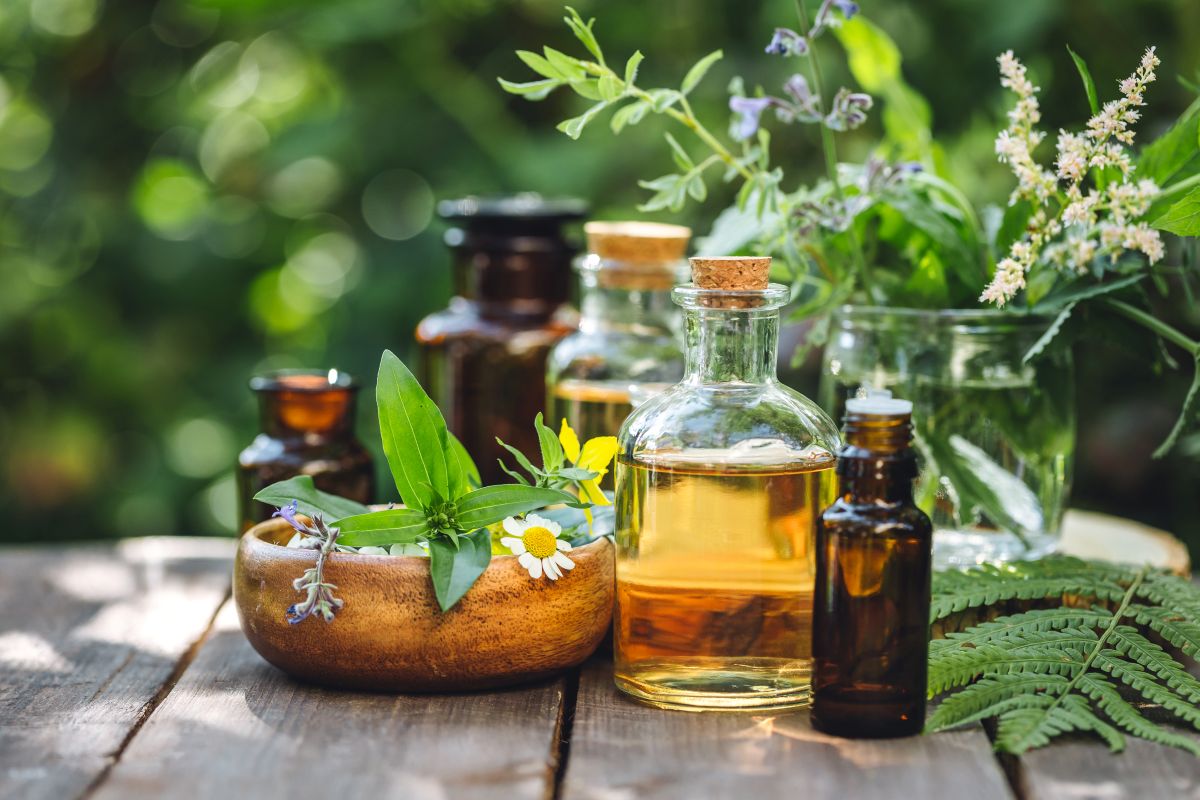
China is consolidating fragmented cosmetics requirements into a national safety framework.
According to CIRS Group, the NMPA will promote the construction of a “one body, two wings” framework of standard management. The main body will consist of Cosmetics – General Safety Requirements and other national standards, supported by the Safety and Technical Standards for Cosmetics and industry standards as the “two wings.”
The approach consolidates and standardizes existing but fragmented requirements into one framework. It also clarifies terminology regarding prohibited substances, restricted ingredients, UV filters, colorants, and packaging materials.
The one body, two wings framework is said to safeguard public safety and serve the national strategies of “Healthy China” and “Quality Powerhouse,” according to CIRS.
Standardizing high-risk substances
Higher-risk cosmetics such as children’s products and cosmetics used in sensitive areas — around the eyes, eyelashes, and lips — will face tighter requirements. The permitted total aerobic microbial count for these products will be 10 times stricter than for ordinary cosmetics.
According to China Daily, the standard also sets limits on the amount of bacteria, mold, and yeast permitted in cosmetics. Within these limitations, several microorganisms that can pose health risks, such as thermotolerant coliforms, staphylococcus aureus, and pseudomonas aeruginosa, are prohibited.
These limitations are partially based on microbiological limits set by the International Organization for Standardization (ISO), but are said to introduce tighter guardrails for high-risk
Children’s cosmetics will face stricter safety requirements under the new rules.
products.
“For example, international standards set a maximum of 100 colony-forming units — a measure used to estimate the number of living microorganisms — per gram or milliliter for cosmetics intended for children under three years old. The Chinese standard extends the same requirement to products intended for children under 12,” China Daily reports.
Furthermore, requirements place tight guidelines on heavy metals and other potentially harmful substances. These guidelines set maximum limits for eight harmful substances, including mercury, lead, arsenic, and cadmium.
The standard also applies a risk-based approach to residues of methanol, 1,4-dioxane, asbestos, and benzene. When cosmetics have raw materials that could introduce these substances, manufacturers must ensure the relevant product limits are met, while products without such raw materials may be subject to more targeted testing requirements.
From a logistical perspective the framework also aims to strengthen international alignment, drawing on principles in the EU Cosmetics Regulation (EC No 1223/2009) and aligning its microbial requirements with ISO standards.
As part of the transition period, the standard says that cosmetics produced or imported before it comes into effect are permitted to be sold until the end of their use period.