


ECHA lists cosmetic botanical extract and packaging chemicals as “very high concern”


Key takeaways
- ECHA added n-hexane and BPAF to the list of substances of very high concern, triggering new legal duties under EU REACH.
- Products containing over 0.1% of either substance must be disclosed, reported, and lose EU Ecolabel eligibility.
- The move increases pressure on cosmetics brands to refine botanical extracts and replace risky packaging materials.
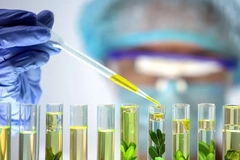
The European Chemicals Agency (ECHA) has added two chemicals to its Candidate List of substances of very high concern (SVHC). Cosmetics companies that use n-hexane or bisphenol AF (BPAF) substances in their products or formulations now face new legal obligations under the EU’s REACH regulation.
ECHA added n-hexane to the SVCH list due to its potential to cause specific target organ toxicity after repeated exposure. N-hexane is widely used as a solvent for botanical extracts in cosmetics, especially plant-based actives.
Following the listing, brands that use botanical extracts must verify that all n-hexane residues have been fully removed from their ingredients during refining processes.
Meanwhile, BPAF was added to the list due to its reproductive toxicity. The chemical is most commonly found in specialized plastic packaging and dyes.
The reproductive toxicity classification increases the likelihood that BPAF could face a future ban in the EU. Otherwise, companies that wish to use the chemical may need to get special licenses that grant an exception. The BPAF chemical group has salts, which are also subject to the same rules.
According to the ECHA, companies must disclose to consumers whether a product or formula contains over 0.1% of either substance. Companies must also report to regulators that the chemicals are included in the products.
Additionally, any product that contains either n-hexane or BPAF above the 0.1% threshold will automatically lose eligibility to display the EU Ecolabel. As sustainability and green product claims are increasingly important to consumers, losing the right to use this label could harm companies’ reputation or affect their sales.
The ECHA further warns that both chemicals may later be added to the agency’s Authorization List. This listing would restrict the use of both substances in products — unless companies can obtain special approval from the European Commission.
Chem crackdowns
The listings reflect the ECHA’s broader effort to reduce consumers’ exposure to hazardous chemicals across supply chains. Earlier this year, the agency added five other chemicals to the SVHC list, including silicone compound octamethyltrisiloxane, for being “very persistent and very bioaccumulative.”
The EU’s carcinogenic, mutagenic, or toxic for reproduction list also gained 15 substances last month.
However, as European bodies continue their crackdown against hazardous ingredients, some stakeholders in the personal care industry have voiced concern that reformed chemical review systems could disrupt beauty supply chains and discourage investment in Europe.