



US FDA unable to determine PFAS safety in cosmetics due to lack of data

Key takeaways
- The FDA says there is insufficient data to determine the safety of most PFAS used in cosmetic products.
- The congressionally mandated FDA report resulted in no specific moves to remove PFAS in cosmetics.
- US states such as Washington and Maine are moving ahead with bans on PFAS in cosmetics and personal care products.
The US Food and Drug Administration (FDA) has not reached a definitive safety determination for perfluoroalkyl and polyfluoroalkyl substances (PFAS) in cosmetic products, citing “significant uncertainty” due to data gaps.
The awaited congressionally mandated report, under the Modernization of Cosmetics Regulation Act of 2022, has resulted in no federal measures to regulate PFAS in cosmetics.
PFAS are synthetic chemicals used for water resistance, durability, and texture modification. However, their persistence and potential toxicity have raised health and environmental concerns, prompting increasing regulatory scrutiny at the state, federal, and global levels.
“Our scientists found that toxicological data for most PFAS are incomplete or unavailable, leaving significant uncertainty about consumer safety,” says FDA Commissioner Marty Makary.
Makary states that the lack of reliable data demands further research. He emphasizes that, in alignment with the Make America Health Again Strategy Report, the FDA will continue to work with the Centers for Disease Control and Prevention and the Environmental Protection Agency to update and strengthen recommendations on PFAS.
Some US states have taken PFAS protections into their own hands. As of January 1, Maine has expanded its ban on PFAS to include cosmetics and cleaning products. Meanwhile, Washington banned PFAS in personal care products in 2025, but stores were allowed to sell existing stock through December 2025. Marking the new year, all cosmetics sold in the state should be free from intentionally added PFAS.
“[The Toxic-Free Cosmetic Act] is one among other state and international laws, as well as growing consumer demand, to reduce or remove harmful chemicals from products. As a result, manufacturers and brands continue to reformulate their products to remove intentionally added PFAS, and the products available on store shelves become safer for consumers,” a Washington State Department of Ecology spokesperson tells Personal Care Insights.
FDA finds “insufficient” data
For the required report, the FDA used mandatory cosmetic product listing data and found that 51 PFAS are used in 1,744 cosmetic formulations. To assess safety, the FDA evaluated the 25 most frequently used PFAS — representing approximately 96% of PFAS intentionally added to cosmetic products.
The agency found that toxicological data for most of the PFAS are “incomplete or unavailable,” which it says limits its ability to fully assess risk. A significant hurdle cited was that most of the data is not publicly available.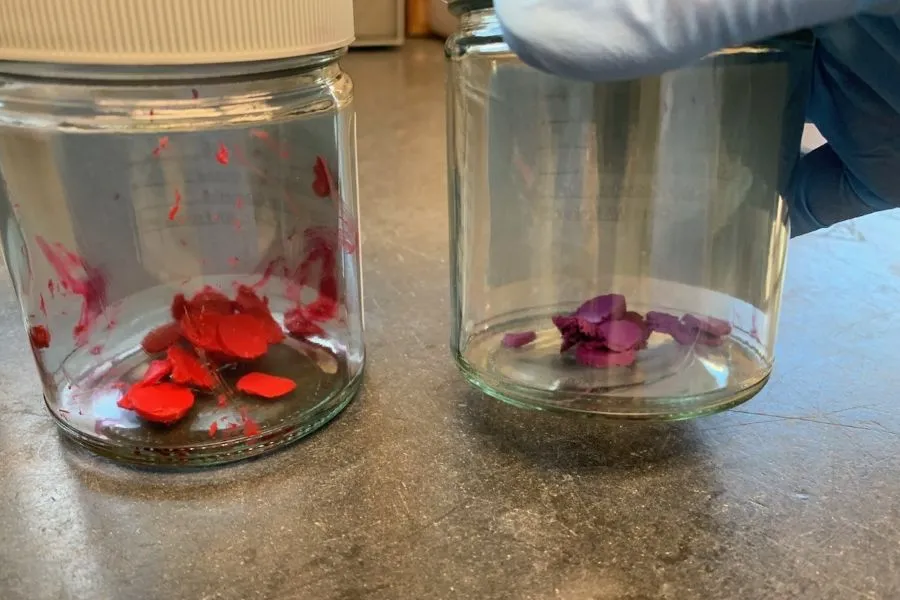 Washington state has enacted its own PFAS bans for personal care products (Image credit: Department of Ecology).
According to the US FDA, one PFAS was identified as having a potential safety concern with “significant remaining uncertainty.” Five PFAS appeared to present low safety concerns under their intended conditions of use. The safety of most PFAS could not be definitively established.
The report focuses on PFAS intentionally added to cosmetic products as ingredients, rather than PFAS that may be present as contaminants. There are currently no federal regulations that prohibit PFAS intentionally added to cosmetic products. However, the agency says it will take “appropriate action” if safety concerns emerge.
Washington waves away PFAS
In 2023, the Washington State Legislature passed the Toxic-Free Cosmetic Act, which removed PFAS from cosmetics and personal care products, including shampoo, moisturizers, cleansers, makeup, and nail polish.
The ban took effect in 2025, but stores could sell existing stock of PFAS-containing cosmetics and personal care products through December 2025. Starting this year, all personal care products sold in the state are required to be free from intentionally added PFAS.
The state Department of Ecology tells Personal Care Insights it passed the act “to protect Washington residents from toxic exposures by prohibiting the use of certain toxic chemicals, including PFAS, in cosmetic and personal care products.”
“The goal of this product law is to ensure that cosmetic products become safer by restricting the sale of products that contain intentionally added toxic chemicals.”
Washington’s Department of Ecology reports compliance from beauty brands following the enforcement of the ban.
“We continue to see a shift in the products sold and distributed throughout the state as manufacturers, distributors, and retailers reach out and work with us to ensure they’re in compliance,” the spokesperson tells us.
“We also support these efforts by answering questions and providing education, ultimately guiding manufacturers to compliance.”  The FDA says PFAS safety data in cosmetics remains insufficient.
The Department of Ecology says that it continues to evaluate PFAS in a wide range of consumer products through the Safer Products for Washington program. The state also recently adopted a rule that restricts PFAS in cleaning products.
“Safer Products for Washington continues to assess PFAS in 10 product categories to prevent environmental pollution and protect people from exposures that could impact their health,” says the Department of Ecology.
Maine makes moves
On the other side of the country, as of January 1, Maine does not allow the sale or distribution of cosmetics, personal care, or cleaning products with intentionally added PFAS. The state names cleaning products, cosmetic products, dental floss, juvenile products, and menstruation products in the list that cannot contain the substances.
The only exception is if the products are exempt or approved as a currently unavoidable use (CUU).
Also starting this month, Maine’s PFAS in Products Program now requires manufacturers with products marked as CUU to submit a PFAS Notification Form. In this, they must pay an associated fee to continue selling, offering for sale, or distributing products.