



Halal and vegan cosmetics converge to meet ethical beauty demands


Key takeaways
- Halal cosmetics brands are increasingly integrating vegan and cruelty-free certifications to appeal to both Muslim and non-Muslim consumers.
- Combining halal, vegan, and cruelty-free labels helps expand market reach and can enhance global competitiveness.
- Halal certification is becoming a key quality assurance label in the clean and ethical beauty market.
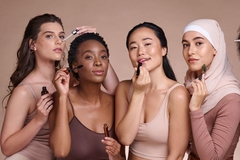
Maryam Cosmetics, a US-based halal lipstick brand, launched earlier this week, adding to a growing list of cosmetics offerings that adhere to halal standards in the global West. The brand is built on ingredient transparency and ethical formulation, and it contains entirely cruelty-free, vegan ingredients to maintain a congruent ethos of ethical, clean cosmetics.
The brand is one of many halal cosmetics companies that are expanding their certification to include vegan and cruelty-free products. Numerous brands in the personal care industry are choosing to converge halal and ethical beauty certifications into their brand strategies.
Nadiya Qureshi, founder at Maryam Cosmetics, says: “There is strong demand for luxury halal cosmetics that do not compromise on quality or aesthetics. Our focus now is expanding access through the right distribution partners who share our commitment to integrity, quality, and long-term brand building.”
Venn of vegan
The prerequisites for qualifying as halal, and the requirements for vegan or cruelty-free certifications, differ significantly. For example, halal products prohibit ingredients derived from khamr — intoxicating beverages — while vegan products require the exclusion of any animal-derived ingredients, irrespective of the species of animal or the manner in which it was slaughtered.
However, there is also overlap between the requirements of both categorizations, which require brands to establish and maintain considerable trust with their consumers. Personal Care Insights speaks with Dewi Suratty, founder and CEO at Dawn Horizon, the parent company of Halal Practitioner, about the overlap between Muslim and vegan consumer values.
“Halal, vegan, and cruelty-free cosmetics are all built around the idea of making products that are ethical, safe, and responsibly produced. They focus on where ingredients come from, how they are processed, and whether harm is caused in the process,” says Suratty.
While vegan and cruelty-free products focus on excluding animal-derived ingredients and animal testing, halal ingredients require a formal system that can guarantee the customer cleanliness, traceability, and control throughout the entire supply chain.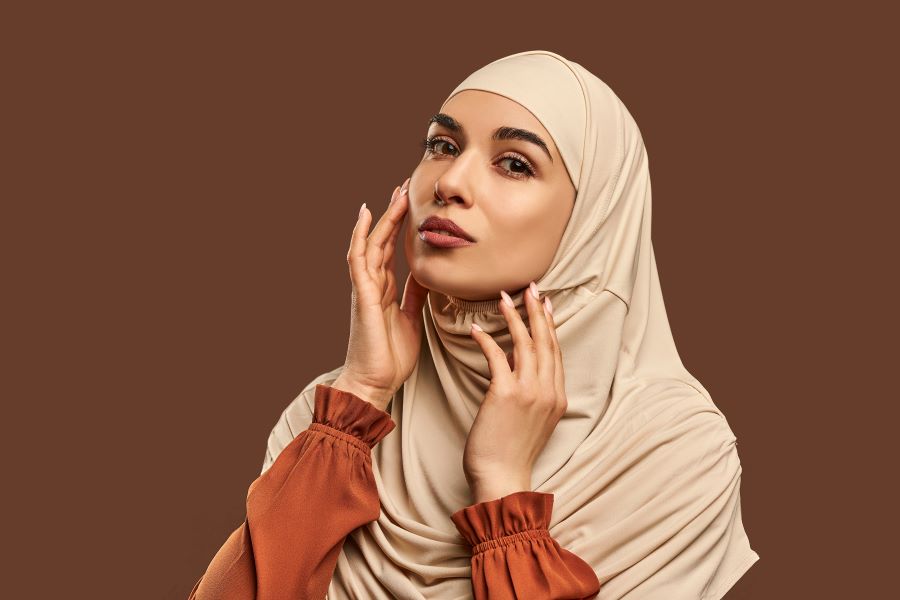
Cosmetic brands are choosing to converge halal and ethical beauty certifications into their brand strategies.
“The key overlap is that all three aim to give consumers confidence that the product aligns with strong ethical values… More brands are now designing their products from the start to meet multiple ethical standards at once — halal, vegan, cruelty-free, and often clean beauty as well,” continues Suratty.
According to Suratty, the brands’ decision to overlap their halal certifications with vegan/cruelty-free assurances is also beneficial from a business perspective.
“Combining halal with vegan and cruelty-free positioning allows brands to reach both Muslim consumers and non-Muslim consumers who care about ethical beauty. This widens the customer base and makes the brand more competitive globally.”
Fostering trust both ways
From the perspective of Muslim consumers, vegan and cruelty-free claims can indicate a brand’s commitment to or concern with ethics and responsibility, which are “important Islamic values,” says Suratty. “Even though these claims do not automatically mean a product is halal, they help build trust.”
“[In non-Muslim markets] halal is increasingly seen as a quality assurance label, especially within the clean beauty and ethical beauty segments. This is driving interest in regions such as Europe, North America, East Asia, and Australia.”
For example, Tuesday In Love is a Canada-based, child labor-free, cruelty-free, vegan, halal, gel nail brand that donates its proceeds to Islamic Relief Canada in support of Palestinian families. Indian personal care brand Iba Cosmetics offers halal, PETA-certified, cruelty-free, and vegan products.
Additionally, Indonesian skin care brand Wardah follows a “halal green beauty” philosophy. Indonesia recently announced a policy toward governmentally enforced mandatory halal certificates for goods, including cosmetics, taking force as of October 2026. The decision aims to strengthen Muslim economies and drive the Indonesian national economy.
“Another clear trend is that brands use halal certification to enter Muslim-majority markets, while maintaining vegan and cruelty-free claims to stay relevant in Western markets. This shows a shift from seeing certifications as a compliance exercise to using them as part of long-term brand strategy,” concludes Suratty.