


Brewing beauty: Beer byproducts emerge as sustainable skin care ingredients


Key takeaways
- Brewing byproducts, such as hops and yeast, have potential as bioactive ingredients for dermatological and cosmetic formulations.
- Hop extracts from beer production waste may help treat atopic dermatitis by inhibiting harmful skin microbes and biofilm formation.
- Upcycling brewing waste into skin care ingredients could support sustainable cosmetics.

Two separate studies have identified that beer and brewing waste have potential applications for dermatological products and derma-cosmetics.
One study conducted by various Portuguese institutions examines the use of brewing waste for treating atopic dermatitis (AD). The other was a collaboration between Albanian and Italian institutions and explores the antioxidant properties of beer and yeast-derived formulations and their potential applications in cosmetic formulations.
The Portuguese study, published in Cosmetics 2026, has found that hop extracts derived from craft IPA beer production waste demonstrated antimicrobial and antibiofilm properties, consistent with their potential use in AD treatment solutions.
The study also determines that the extract could be used in anti-acne solutions due to its antimicrobial properties.
The Albanian-Italian study, also published in Cosmetics 2026, found that brewing byproducts contain anti-inflammatory and antioxidant components aligned with longevity formulations that support the skin barrier and elasticity.
Both studies underscore that brewing residues and yeast, and hop extracts are underexplored for dermacosmetic applications. They say these extracts offer strong potential as sustainable, efficacious bioactive ingredients in dermacosmetics.
Furthermore, by upcycling brewing waste into cosmetic ingredients, the studies contribute to raw material waste reduction, lower environmental impact, and sustainable sourcing — helping formulators future-proof their solutions.
Modulating the microbiome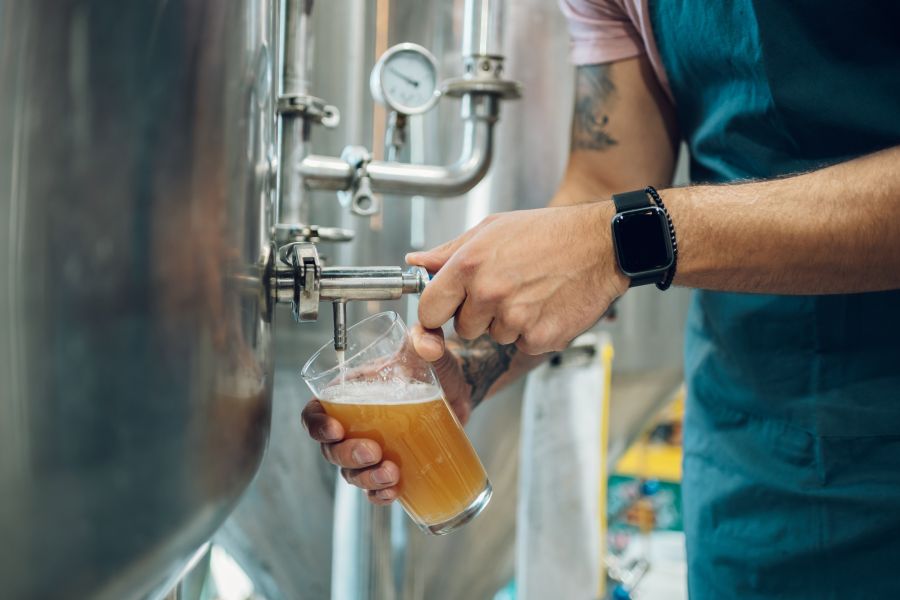
Beer byproducts contain antioxidants and anti-inflammatory compounds that are beneficial for the skin.
Eczema, or AD, is a chronic inflammatory dermatological condition influenced by genetic, environmental, and immunological factors. The study aimed to determine whether hop extracts derived from beer brewing byproducts would improve skin health in AD patients by balancing the skin microbiome and reducing pathogenic bacteria.
The study focuses on biofilm formulation, the process by which microbe clusters form a type of bacterial shield. Biofilms are more resistant to antimicrobials than individual floating pathogens and are far more difficult for both the immune system and external intervention to treat.
The researchers targeted two microbes in the study.
Staphylococcus aureus (SA) and Staphylococcus epidermidis (SE) are pathogenic microorganisms commonly found in individuals with AD-related skin barrier dysfunction. Overrepresentation of pathogens exacerbates inflammation and further compromises the skin barrier by forming biofilms. The study linked the formation of biofilms by SA and SE to symptom severity, suggesting that biofilm disruption could improve skin barrier function.
According to the study’s findings, hop extracts significantly inhibited SA microbe production and biofilm formation.
The reduction of inflammatory microbes and the formation of treatment-resistant biofilms, which usually trigger chronic inflammation, suggest that the hop extract can serve as an efficacious ingredient for AD treatment.
Primarily, the hop extract modulates the skin microbiome, providing an efficacious, non-abrasive ingredient alternative. The natural antimicrobial, anti-inflammatory, and biofilm-inhibitory properties of the extract align with the industry’s focus on clean, efficacious beauty.
The hop extract has potential applications in anti-eczema formulations, acne-prone skin treatments, anti-inflammatory skin care, and microbiome-balancing serums.
Brewing longevity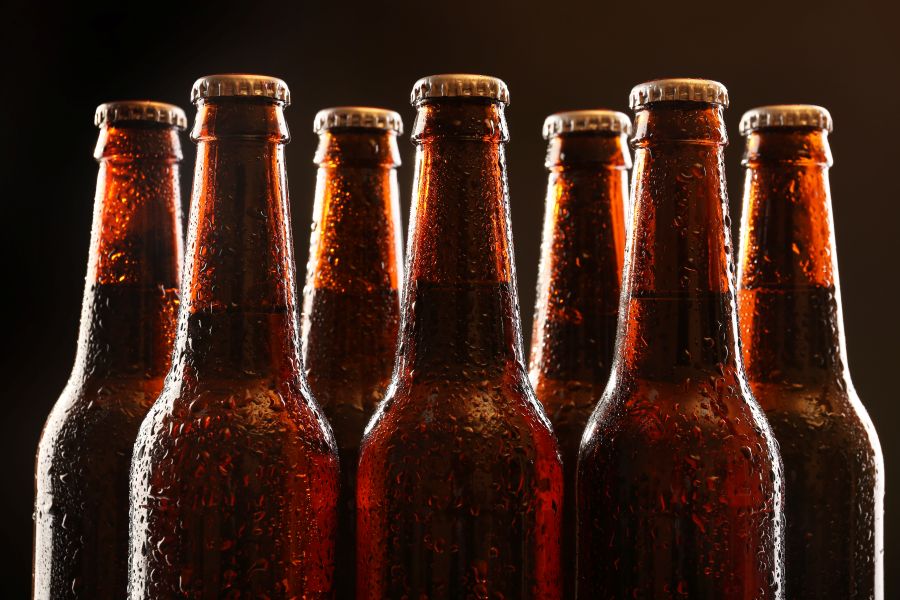
Researchers are exploring brewing residues as sustainable dermacosmetic ingredients.
The Albania–Italy study discovered that bioactive compound-rich byproducts generated by the beer brewing process have cosmetic efficacy.
The byproduct compounds, listed as polyphenols, fermentation metabolites, yeast components, and grain-derived molecules, are known to have antioxidant properties beneficial for the skin barrier and were tested in formulations.
In vivo and in vitro research found that yeast byproducts contain various compounds applicable to cosmetic formulations, including antioxidants, anti-inflammatory compounds, and skin-conditioning molecules.
Based on the given properties, the research suggests that the compounds may help protect skin cells from oxidation, support skin barrier integrity, and improve skin longevity and elasticity.
However, the study revealed a caveat: the ingredient performed radically differently across formulations. Factors such as concentration, carrier systems (water-based, alcohol-based, or oil-based), and interactions with other ingredients affected the ingredient’s efficacy.
The ingredient has potential applications for formulations with antioxidant benefits while providing skin barrier support, and is aligned with clean cosmetic trends.