


IFF on deodorant’s “whole-body” shift and scent’s starring role


Key takeaways
- Deodorant usage is expanding beyond underarms, driving demand for multifunctional, skin-safe, all-over formats that integrate hygiene, scent, and personal care benefits.
- Premium and clean scents are enhancing emotional value, confidence, and self-care, while bridging the gap between hygiene and beauty experiences.
- Younger, socially engaged consumers (16–35) are leading adoption, prompting brands to leverage AI insights, tailor fragrances regionally, and design multi-purpose formats.
Deodorant is no longer positioned solely for the underarms, according to findings from International Flavors and Fragrances’ (IFF) recent survey on global usage trends. This evolution is shaping new expectations around enhanced protection, sensoriality, and personal expression in the category.
For the wider deodorant category, IFF predicts a rise in “whole body formats” that not only change how products are used, but also how they are experienced between specific moments and places. This means that whole body formats are moving beyond fragrance toward a broader, controlled performance promise: long-lasting sweat and odor control, all-over freshness, skin gentleness, clean ingredients, and effortless use.
As a result, consumers are more likely to judge deodorant’s based on skin safety, texture, comfort, and multifunctionality — blurring its lines with skin care. Consumers are expecting solutions that feel like skin care, perform like deodorants, and deliver multi-purpose body benefits.
Out of the 1,200 respondents in IFF’s deodorant study, 36% of consumers globally already applied deodorant beyond the armpit — up to 44% in the US. The company reports that a third of these are expecting more premium fragrances that will “boost their well-being.”
Scent’s crucial role
IFF believes that scent is taking a central role in the deodorant category as it helps reassure, enhance perception, and create distinctive signatures in deodorant’s evolving landscape.
For example, last month, Axe partnered with FIFA to deliver three new limited-edition Gen Z-inspired scents. The move came as an interest in neo-gourmand and gender-fluid scents continues to rise among young men.
Cultural sporting events like the FIFA World Cup 2026 are used as a platform to showcase possibilities around personal care innovation and demand. Axe developed each fragrance in the collection with IFF and Givaudan.
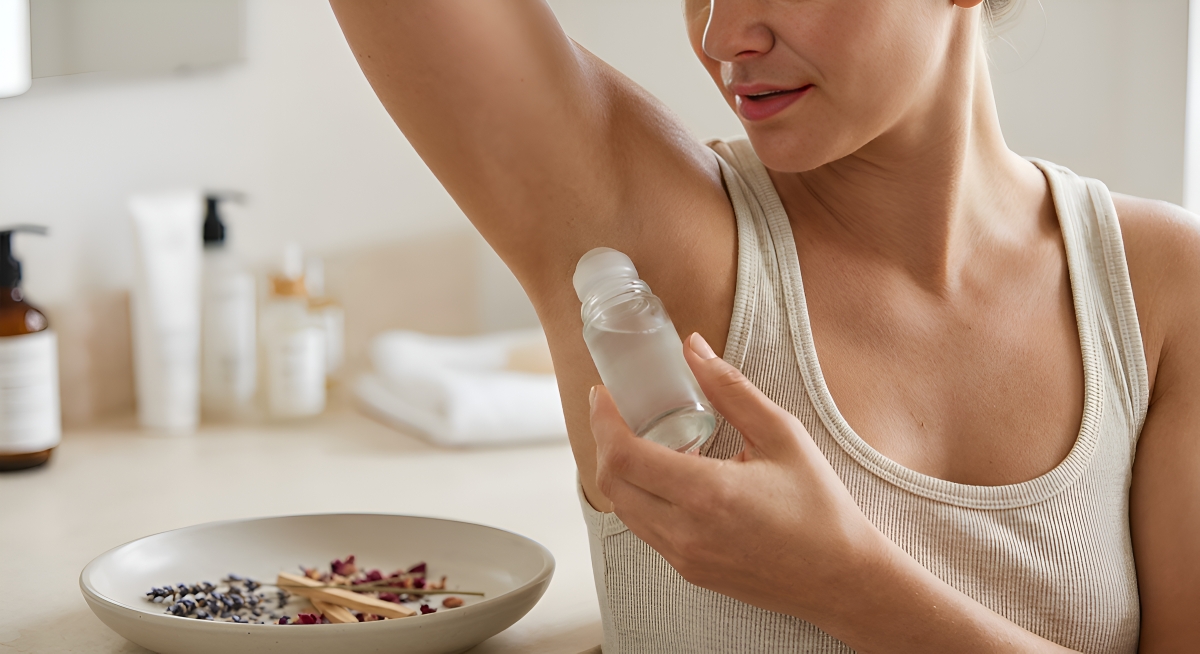 Fragrance plays a central emotional role in deodorant innovation, driving confidence, well-being, and self-care rituals, while also shifting the category from hygiene to experience.Commenting on this move, Christian Fontanive, VP of Consumer Insights and Consumer Fragrances at IFF, tells Personal Care Insights: “Gen Z is definitely a strategic focus for IFF Scent, and with freshness a must in the deodorant category, bringing a fine fragrance feel through neo-gourmand inspirations seems like a really powerful creative track to address younger generations.”
He also highlights the move of the premium-positioned fragrance and how brands are responding to these expectations. “While whole-body deodorants already command a higher price point compared to traditional formats, their visual identity often remains relatively similar to traditional formats. Some brands start elevating packaging through more premium, distinctive design, but also through fine fragrance-related codes and narratives.”
IFF sees this change as an opportunity to reinforce perceived value through more sophisticated packaging, elevated fragrance propositions, and more refined, perfumery-led storytelling. The combination of factors can bring greater sensoriality and emotional resonance to the category.
“Fragrance plays a central emotional role, driving confidence, well-being, and self-care rituals, and shifting the category from hygiene to experience. The key challenge is balancing noticeable, lasting intensity with softness and wearability suitable for full-body use, including intimate areas.,” Fontanive says.
Whole-body deodorant formats
Whole-body formats are accelerating the shift of deodorant into a hybrid space blending function, sensoriality, and skin care, making it part of a broader full-body hygiene ritual.
This evolution is expanding usage across new body zones and occasions, while increasingly overlapping with fragrance and body mists — positioning scent as the key bridge between hygiene and beauty.
As a result, deodorant is moving from a basic functional staple to a premium, lifestyle-led self-care category, pushing brands to innovate beyond protection toward holistic, experience-driven solutions.
“The expansion is driven by a shift toward ‘all-over freshness’ as a new hygiene standard, with consumers increasingly expecting deodorants to go beyond underarms and deliver full-body confidence. This reflects a move from localized protection to a more holistic approach, supported by clear functional needs like whole-body odor prevention and sweat control across multiple zones,” explains Fontanive.
“At the same time, convenience plays a key role, with many consumers valuing a single, versatile product for multiple uses. Emotional and lifestyle factors — such as confidence and more active routines — further fuel this shift, with the US leading due to stronger social influence and a greater openness to new habits.”
Further addressing how consumers perceive whole-body deodorant formats compared to traditional underarm-only products, Fontanive says: “They are seen as more holistic and modern, combining strong efficacy with added benefits like full-body coverage, skin care credentials, and enhanced sensoriality. Their ‘all-in-one’ convenience also simplifies routines, positioning them as a multi-functional body care staple rather than a single-use product.”
However, Fontanive says barriers remain. Approximately 20% of consumers surveyed show no intent to use, and safety concerns on sensitive areas persist. He says this underscores the need for clear reassurance on skin gentleness and suitability beyond underarms.
Who is setting the trends?
IFF has observed that the adoption of whole-body deodorants is led by younger, socially engaged consumers (16–35). They are said to be more open to new routines and view fragrance as a key part of identity and attractiveness.
Beyond age, uptake over-indexes among active lifestyles, beauty-engaged users, and confidence seekers, driven by needs for multi-zone sweat management, integration into body care rituals, and full-body reassurance in social contexts.
While gender is balanced, women lean toward care and safety, and men toward performance and practicality. Ultimately, adoption reflects a shift from basic hygiene to the holistic “whole-body care” mindset.
Future deodorant innovation
Fontanive believes that key transformation drivers for deodorant’s will continue to center on targeted, personalized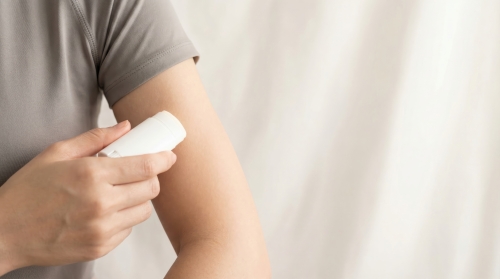 Fragrance plays a central emotional role in deodorant innovation, driving confidence, well-being, and self-care rituals, while also shifting the category from hygiene to experience. products and routines — fueling a growing appreciation for layering as a core usage ritual.
He also says the rise of holistic beauty will continue to “redefine perceptions of hygiene and fragrance, shaping new product behaviors and inspiring a more seamless fusion of sensorial richness with uncompromising safety.”
Consumer expectations are shifting toward a “clean, skin-first, high-performance” standard, flags Fontanive. “Safety and natural credentials are now baseline — clean, gentle, microbiome-friendly — especially as usage expands to the whole body.”
“‘Clean’ positionings become growth enablers, unlocking broader usage, while sustainability and invisible performance — such as no residue, no damage — are rising expectations. Meanwhile, I expect deodorants are moving beyond hygiene into wellness, with growing demand for emotional uplift and sensorial comfort.”
Furthermore, he notes that there is no doubt that AI is transforming product design. “First, AI-powered insights are already proving critical in decoding evolving full-body expectations — by analyzing open comments to surface key drivers, barriers, or underlying emotional aspects.”
Beyond this, he underscores that AI can unlock emerging usage moments, decode nuanced sensorial expectations, and enable precise optimization of fragrance profiles by target and region — helping brands design more relevant, tailored experiences at scale.
“At IFF, we fully integrate our proprietary AI tools in all our scent research tracks. Within the IFF Science of Performance program, AI has been an amazing tool for technical and scent design experts in imagining new creative models toward scent intensity. It is also a transformational enabler for IFF Science of Wellness and our journey toward amplifying the emotional potential of fragrance.”
“As the deodorant category will continue operating its metamorphosis, these are clearly areas that will bring game-changing solutions to address these changes, with scent,” he concludes.