



Dr. Squatch on how men’s care grows in today’s cultural landscape

Key takeaways
- Men's personal care is shifting towards more inclusive and transparent branding, focusing on clean ingredients and performance.
- Social media has accelerated awareness and empowered men to build intentional self-care routines that enhance confidence.
- The rise of "looksmaxxing" reflects a cultural shift where men invest in grooming for self-improvement.
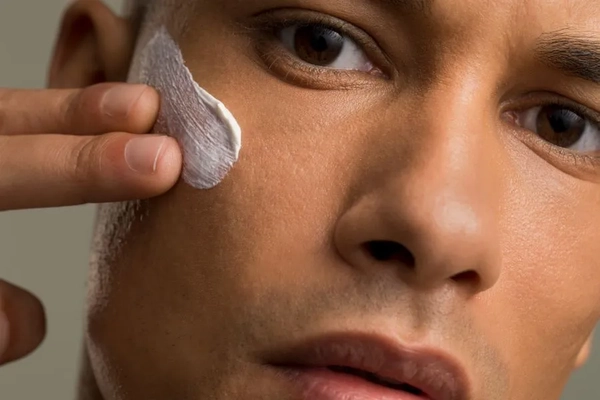
The men’s personal care market is undergoing a significant shift, with social media and changing cultural expectations driving how men approach self-care. Rather than relying on outdated notions of masculinity, brands are making self-care approachable and normal.
Personal Care Insights sits down with John Ludeke, senior VP of Global Marketing at Dr. Squatch, who tells us how the brand has tailored its product catalog and marketing strategies to cater to this evolving consumer base. Dr. Squatch’s success, he explains, stems not only from offering high-performance, clean ingredients but also from breaking down the stigma around men’s grooming by making it fun and something to look forward to.
Instead of defaulting to “hyper-masculine” colors and language, the men’s personal care industry is now prioritizing ingredient transparency and providing educational content that empowers men to make informed choices about their grooming habits. The move away from stereotypical marketing toward more inclusive and engaging brand narratives has reduced the stigma around men’s self-care and positioned it as more of a lifestyle choice.
The rise of social media has given men access to more information about personal care, from cleaner ingredients to better product performance, encouraging them to adopt more intentional and effective routines. This shift is also reflected in the growing trend of “looksmaxxing,” where young men partake in an array of practices to improve their appearance.
We discuss with Ludeke that as men’s care continues to gain momentum, the industry is poised for growth. With the combination of cultural acceptance, social media influence, and relatable branding, the future of men’s personal care goes beyond grooming—it’s about wellness and confidence. The companies that succeed will be those that can balance product performance with authenticity.
How have you adjusted your product catalog and/or marketing strategy to cater more to men?
Ludeke: Our founder, Jack Haldrup, had the foresight to build a brand that catered to men from both a product and marketing perspective. From a product standpoint, that meant prioritizing clean ingredients that perform, beginning with our natural, cold process bar soap. Flash forward to today, and we’ve expanded our portfolio to include deodorant, hair care, body wash, shave, and beyond.
On the marketing side, we’ve learned that offering better products alone isn’t enough. A lot of guys weren’t raised to think about ingredients, routines, or long-term skin health, and historically, the category hasn’t spoken to them authentically. We lead with entertainment and personality, and then earn the right to educate. If we can make a guy laugh, he’s more likely to let us into his world to help him build healthier habits that upgrade his daily routine.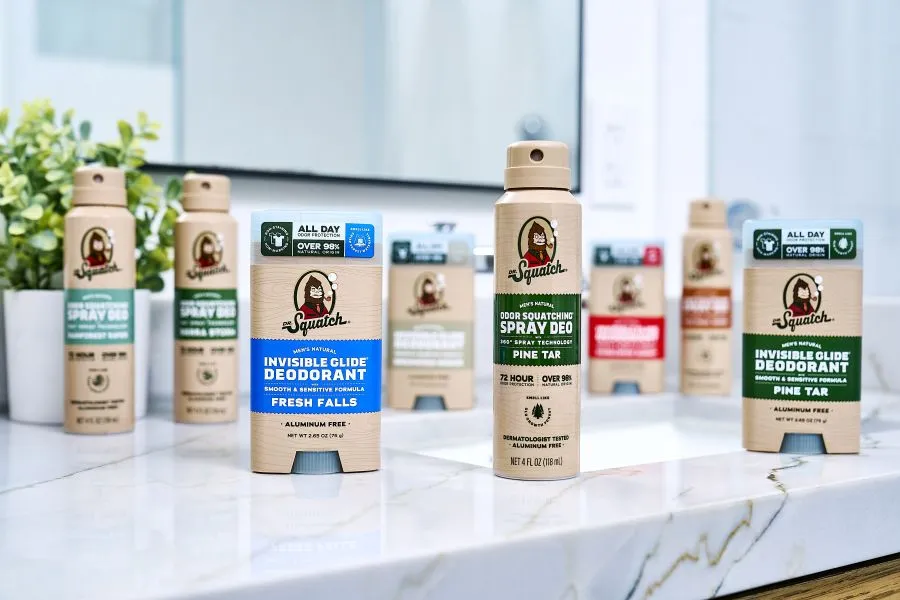 Authentic branding resonates with today’s man.
Men’s care products are often marketed with hyper-masculine and/or dark packaging. Why do you think that is, and how has this shifted over the years?
Ludeke: Historically, much of the men’s care category has marketed itself as if it needed permission to exist. Because there had been a stigma around guys investing in personal care, brands often leaned into darker colors and packaging, aggressive language, and exaggerated fragrance profiles to signal ‘masculinity.’
Men are increasingly growing comfortable with self-care, and they don’t need to be sold a version of masculinity that feels performative. It’s certainly shifting, but there’s still room for the category to evolve.
At Dr. Squatch, we’ve always believed there are many ways to man. Our approach is to deliver real performance and natural ingredients without falling back on clichés. We make products that look great in your shower, smell incredible, and actually work, and we communicate with guys in a way that feels fun, modern, and culturally fluent. The goal isn’t to make self-care feel ‘tough.’ It’s to make it feel normal, and even something you look forward to.
How are young men now treating their appearance differently from past generations?
Ludeke: Men today are far more proactive than previous generations, who often approached grooming as basic maintenance. They’re also learning earlier. Social media has accelerated routine-building and created a platform for ingredient awareness, leading to less stigma and more curiosity. As a result, we’re seeing younger men adopting higher standards for what they expect from products, whether that’s cleaner formulations, elevated scent profiles, or longer-lasting performance.
Rather than just buying a random soap, they’re intentionally building a routine that makes them feel more confident and more like themselves. 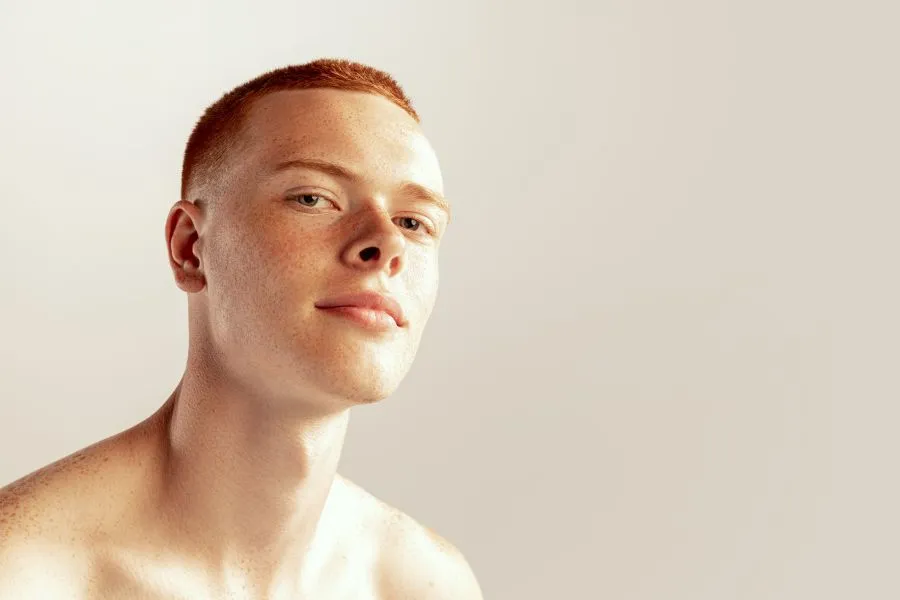 Men’s personal care is evolving toward increased transparency.
“Looksmaxxing,” and adjacent practices of young men wanting to better their appearance is increasing. How is it influencing the personal care industry?
Ludeke: There’s a broader cultural shift actively taking place: young men are no longer indifferent about grooming and personal care. Today, they’re investing in skin care, hygiene, and overall wellness, and that’s a positive development. That shift is driving demand for higher-quality products, ingredient transparency, and education that helps men build effective, sustainable routines. At. Dr. Squatch, we’re unapologetically pro self-improvement. Our mission is to help men live happier and healthier lives, and we believe self-care is foundational to confidence and well-being.
Where we draw a clear line is when striving to reach your full potential turns into self-rejection, or pressures that push young men toward unsafe extremes. The future of men’s personal care isn’t about chasing algorithm-driven ideals — it’s about helping men feel good in their own skin. The companies that will win long-term are the ones that encourage healthy habits, celebrate individuality, and build confidence without reinforcing comparison culture or unrealistic standards.
“Looksmaxxing” arguably became a movement a few years ago. How has it evolved since then, and where do you predict it will go?
Ludeke: What started as a niche internet concept has evolved into part of a broader cultural conversation around self-improvement. I don’t think it’s going away, but like many movements that begin with intensity, it’s likely to mature as consumers become more informed and more discerning.
The most important shift is that it’s becoming less about chasing a perfect standard and more about feeling confident in your own skin. As men experience the benefits of investing in themselves, the focus tends to move away from quick transformations to defining what ‘better’ means on their own terms and choosing the tools and routines that support that progress over the long term. 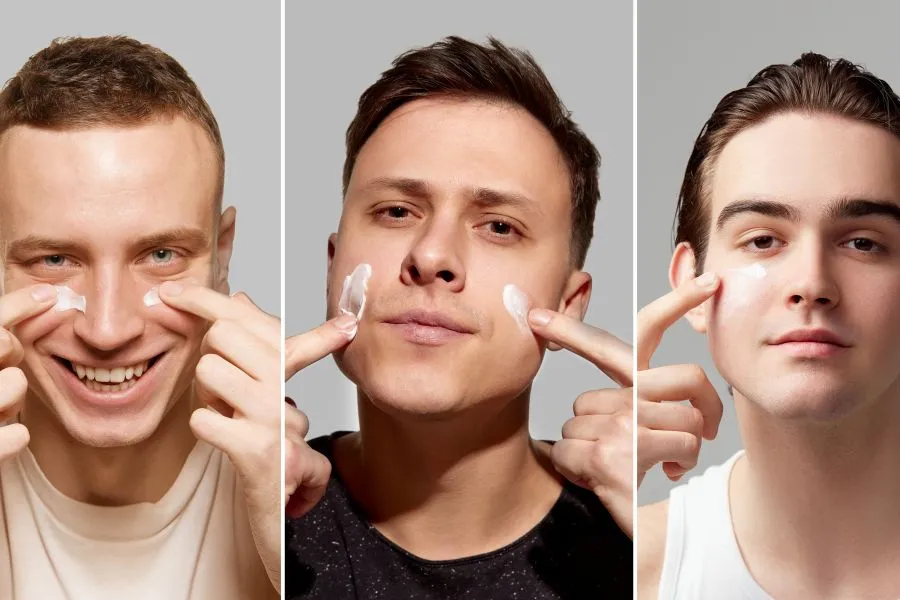 Modern men’s grooming breaks outdated stereotypes.
Can part of the shift of men being more interested in personal care be attributed to stricter beauty standards for men being on the rise?
Ludeke: Social media and internet culture have increased awareness of how we present ourselves and how others perceive us, which naturally raises expectations. But I actually think the bigger driver is access and permission. Men now have more information, more product options, and more cultural acceptance to engage in personal care without stigma. As products improve and marketing becomes more inclusive, self-care feels like empowerment rather than an obligation.