


Modern man’s makeup: Male grooming evolves beyond the basics

Key takeaways
- Men’s grooming is evolving, with makeup now seen as a practical tool for enhancing appearance.
- Social media has played a significant role in normalizing makeup for men, shifting perceptions of masculinity.
- The movement is growing, but generational divides still affect full acceptance in mainstream grooming.
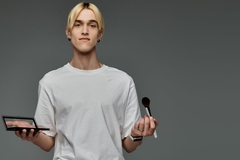
Men are exploring the world of beautification. What used to be a toe in the water has expanded into men wading about knee deep in personal care.
Men grooming themselves is not news, but the manner in which they are doing so is shifting. Men have always cared about their appearance, from clean-shaven aesthetics of the 1920s to rocker mullets of the 1980s. The change now is the permission given.
Jake Xu, co-founder of Shakeup Cosmetics, a men’s beauty brand, tells Personal Care Insights that, without a doubt, more straight men are wearing makeup.
Younger men are leaning into optimizing their physical appearance, including using cosmetics. This new wave is not about rebelling like past iterations — it’s purely functional.
“Five years ago, men’s makeup was still very niche and often positioned as edgy or rebellious. Retailers are also taking it more seriously. It’s no longer a novelty shelf; it’s becoming part of a broader men’s grooming ecosystem,” says Xu.
“We’re seeing more straight men openly using complexion products — tinted moisturisers, concealers, under-eye treatments — because the stigma is slowly being replaced by practicality. If something helps you look less tired, more confident, more put-together for work, a date, or a presentation, why wouldn’t you use it?”
Makeup narrative shift
Makeup is commonly associated with women — even though its origins are gender neutral. More modernly, men in the LGBTQ+ community have delved into makeup, signaling a challenge to gender norms. Following, if a man experimented with makeup, a string of comments about him being gay would follow suit.
Xu asserts that the narrative around men wearing makeup being “gay” is shifting, but not completely gone.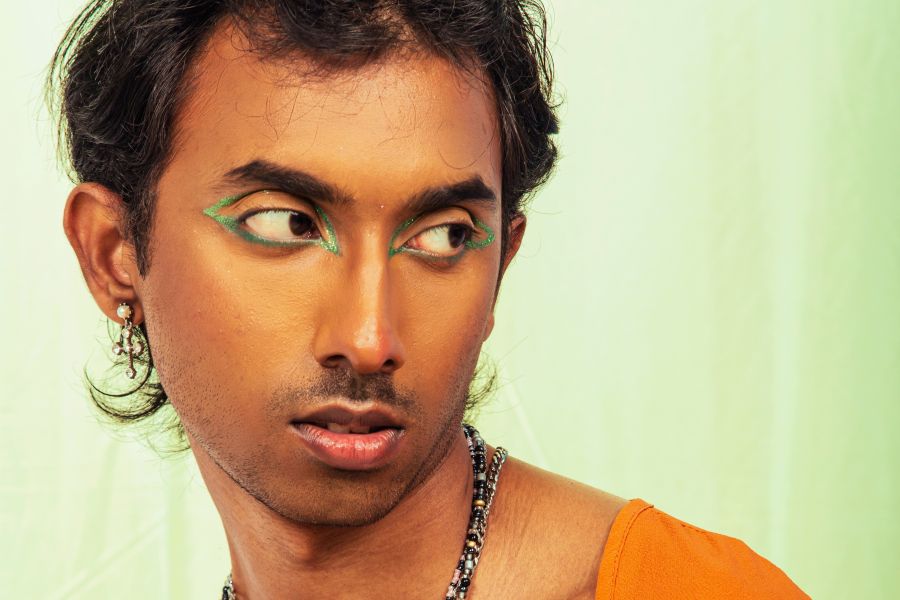 Makeup for men is now about practicality, not rebellion.
“There’s been huge progress thanks to social media, celebrity culture, and broader conversations around masculinity. Younger generations in particular are far less rigid about what is considered ‘masculine.’”
“At Shakeup, we’ve always said skin care and makeup are tools, not identity markers. Moisturizer doesn’t define your sexuality, nor does concealer. As more straight men openly use products to look their best — from athletes to CEOs to everyday professionals — the narrative becomes less about sexuality and more about self-care and confidence.”
The evolution of time has led to the evolution of makeup’s consumer base. However, there are still some societal constraints before full acceptance is awarded.
“Most of our customers don’t see what they’re doing as ‘wearing makeup.’ They see it as looking fresh, polished, and confident. It’s more about enhancement,” Xu explains.
The end point is that men are wearing makeup — even if they don’t call it such. The market is expected to expand as societal backlash dims over time.
“The biggest misconception is that men wearing makeup is a trend. In reality, it’s an evolution,” says Xu.
“Men have been using products to improve their appearance for centuries — from powders in royal courts to stage makeup to grooming rituals. What’s happening now is democratization. Everyday men feel increasingly comfortable using tools that were previously gatekept or stigmatized.”
“For Shakeup, it’s never been about turning men into someone else. It’s about helping them feel like the best version of themselves. And that shift — from concealment to confidence — is where the real growth lies.”
Social media and appearance pressure
Xu references the growth of social media’s role in the growth of male makeup acceptance. Some argue that the reason men are more scrutinous of their looks, and therefore use makeup, is a symptom of social media.
He says there is definitely more awareness among younger men about optimizing their appearance, but there are two very different sides to the movement. 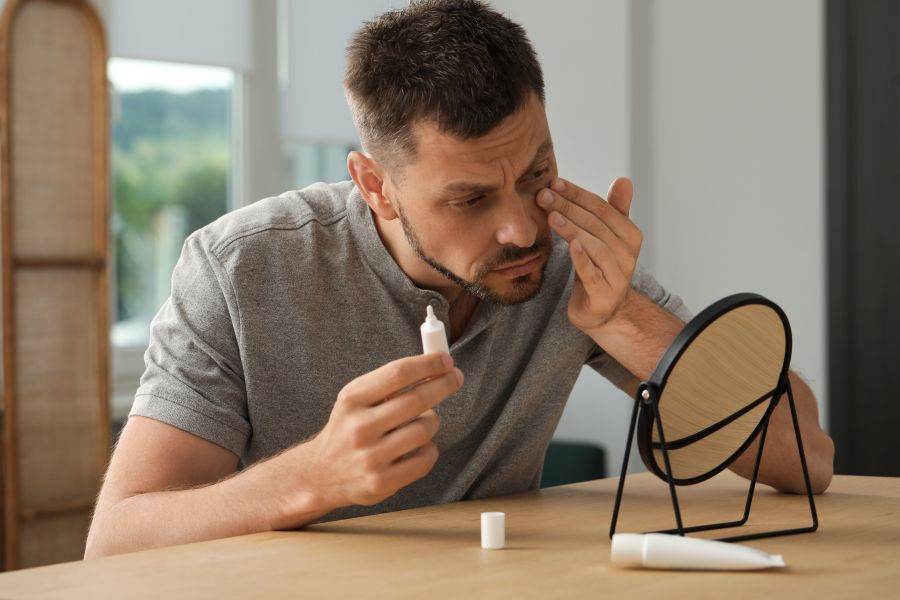 Male grooming is a growing movement toward self-care.
“On one side, you have an unhealthy comparison culture. On the other, you have men simply wanting to present their best selves in an increasingly visual world — dating apps, Zoom calls, social media.”
A predominantly scrutinized negative “comparison culture” side of men’s personal care is looksmaxxing. Looksmaxxing has existed for at least a decade, but the largely underground community rears its head into the spotlight every few years, reigniting conversations about healthy versus unhealthy relationships for men and appearance optimization.
The current digital landscape has rebirthed looksmaxxing over the past few months, largely driven by the rapid rise of Kick streamer Clavicular. The 20-year-old influencer has taken his physical presentation to new heights, speaking about taking a concoction of drugs and undergoing surgeries to look fit.
Participants in the movement “mog” each other, a practice Clavicular is infamous for, meaning they show off their physical appearance to be seen as superior in attractiveness, as this group of men believes looks are the most important factor in life.
This dark undercurrent of the looksmaxxing community is what Xu deters against in men’s personal care. He states that while there are stricter beauty standards for men due to the rise of social media, the off-screen outcomes are nuanced.
“There is definitely more pressure on men now. Social media has amplified appearance standards across genders. But I also think men are more empowered to take control of how they show up in the world.”
Xu says that men’s makeup fits into his aforementioned second category of desiring appearance enhancements — “when done right, it’s subtle.”
“Looking healthy, rested, and confident can positively impact career, dating, and self-esteem. The key is balance. The goal shouldn’t be perfection. It should be confidence,” he details.
Generational divides
Some older men may not fully back the movement of men incorporating makeup into their morning routines.
“There’s still a generational divide. Many men grew up in environments where appearance beyond basic grooming wasn’t encouraged,” says Xu.
Historically, men’s care products have been marketed with hyper-masculine, dark packaging. Metal finishes and aggressive language are used to make products feel “safe” for men. But, the younger generations are challenging this rigid form.
“It was almost a reassurance mechanism — this isn’t beauty, this is stereotyping grooming,” explains Xu. 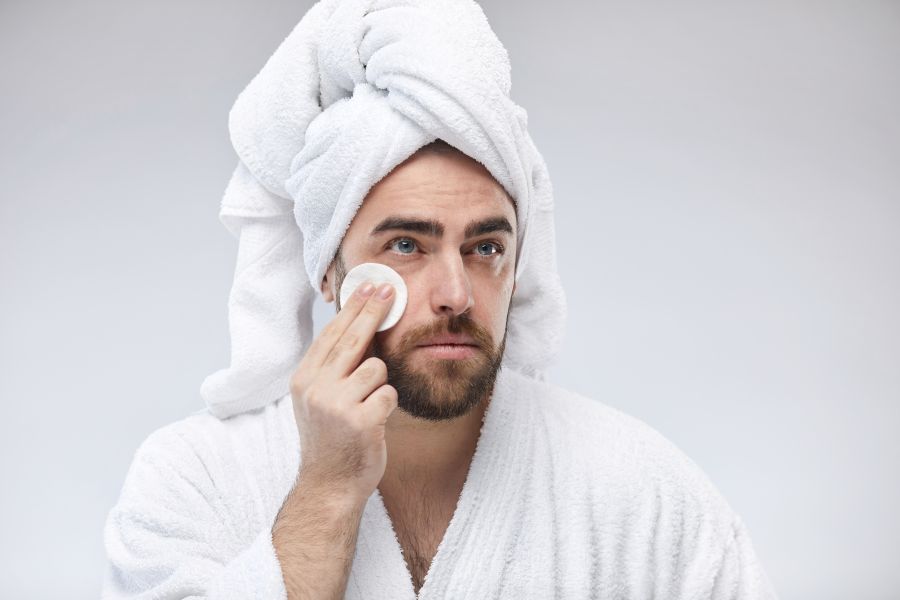 Men’s makeup can enhance confidence and appearance.
“That’s slowly changing. At Shakeup, our packaging is green and clean, not black and aggressive. We wanted something premium and modern, not apologetic. As masculinity becomes more fluid and less performative, branding will continue to soften. Men don’t need camouflage packaging to justify buying skin care anymore.”
Despite the increasing challenges to masculinity and broadening it from a harsh, amor-adorned exterior toward more neutral and aligned messaging, some men are still embarrassed to say they use makeup.
“Interestingly, we’ve noticed something: men may not say ‘I wear makeup,’ but they will say ‘I use a tinted moisturizer’ or ‘I use something for redness,’” says Xu.
Therefore, men’s care brands, while dabbling in a new wave of marketing and packaging, may still want to avoid the unfavorable word.
“Language matters. The word ‘makeup’ can still feel loaded. That’s why we focus on results and confidence rather than labelling.”
What they want
Straight men embracing makeup is still in its infancy. When “your average Joe” proudly states he is wearing concealer, we will know the real shift has been signaled.
Xu says the most important aspects when marketing makeup to men are education, subtlety and credibility.
“Men want to understand what it does, how to apply it, and what result to expect. Clear, no-nonsense messaging works.”
On subtlety, Xu calls it key. He explains that most men do not want a dramatic change.
“It’s about minimizing redness, reducing shine, and brightening tired eyes. The growth we’re seeing isn’t about heavy contouring. It’s about “no one can tell, but I look better.”
“Credibility also matters. Clinical backing, skin benefits, real results. When we communicate that our products are lightweight, breathable, and clinically tested, it removes fear,” Xu concludes.