



Indonesia tightens cosmetics compliance: Halal mandate nears as two million illegal products seized

Key takeaways
- Indonesia will require halal certification for all cosmetics from 17 October 2026, with draft guidelines now detailing how companies may have to comply.
- BPOM has seized over two million unregistered cosmetic products, most imported from China.
- Brands and suppliers face converging halal, facility, and registration obligations, leaving e-commerce sellers and importers most exposed.
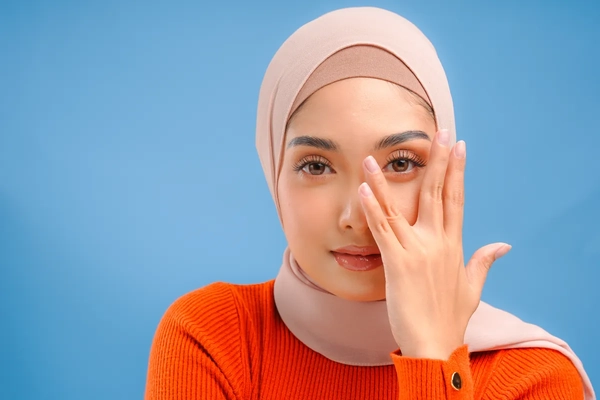
Indonesia is tightening its grip on cosmetics compliance with new halal documentation requirements and enforcement against unregistered products. The country is sending a signal to the cosmetics industry that regulatory compliance is becoming non-negotiable, through the two parallel tracks.
A draft decree from the head of the Halal Product Assurance Organizing Agency (BPJPH) is intended to operationalize Indonesia’s mandatory halal certification requirement for cosmetics ahead of the 17 October 2026 deadline.
Meanwhile, Indonesia’s Food and Drug Monitoring Agency (BPOM) has seized over 2 million illegal cosmetics, most of which were imported from China without approval.
Beauty brands, manufacturers, importers, and ingredient suppliers exporting to or operating in Indonesia are set to face converging documentation, facility, and registration obligations within months.
Halal certification compliance
From 17 October 2026, all cosmetics distributed in Indonesia must hold halal certification. The draft guidelines translate the legal mandate into practical guidance that companies can implement.
The proposed Halal Assurance System (SJPH) identifies halal control points throughout the production process and promotes consistent application of halal requirements across the industry.
Under the draft, the SJPH rests on five pillars.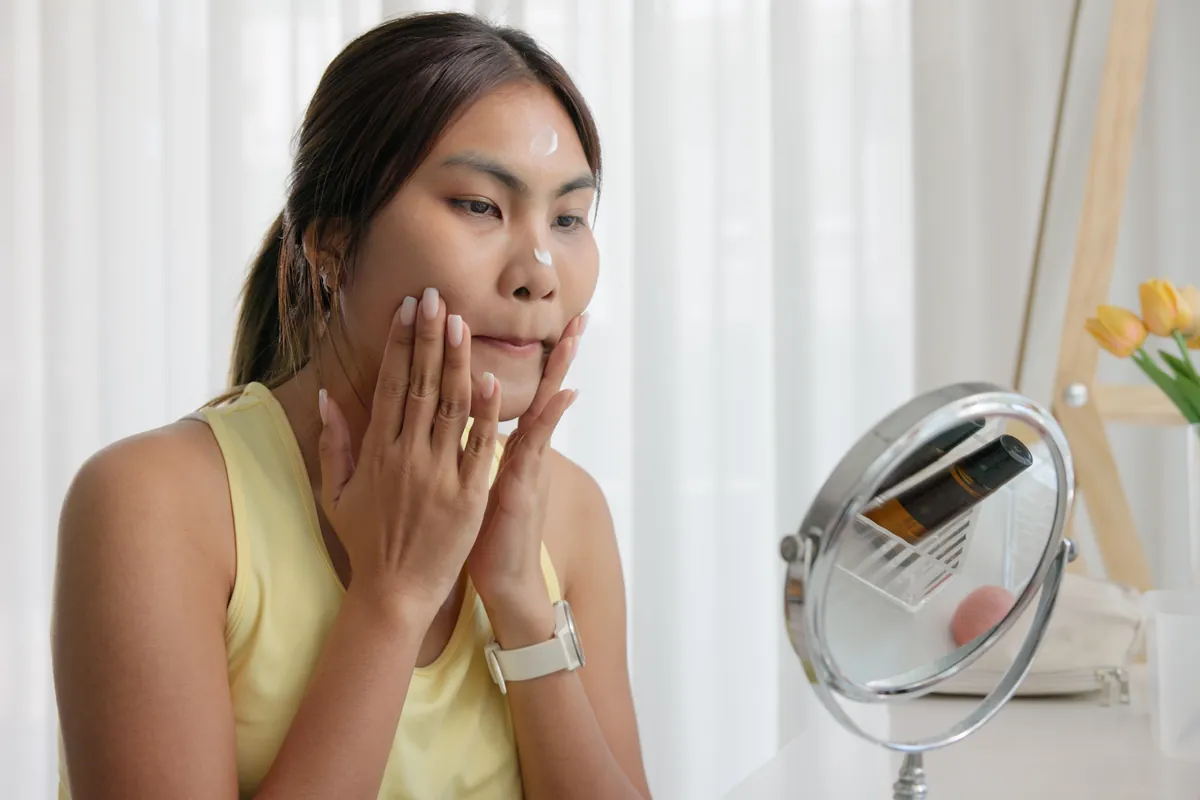 Potential new guidelines define halal standards across the production process.
The first centers on commitment and accountability. Companies must adopt a written halal policy and appoint a dedicated Halal Supervisor (Penyelia Halal), with the option to establish a broader halal management team to oversee compliance.
All beauty solutions are required to have halal certificates or supporting documentation for everything from raw materials, additives, and processing aids. This is also mandated for materials that come into contact with the production line, such as lubricants, cleaning agents, and packaging and applicators.
Source-specific rules also apply. Pig-derived ingredients are prohibited, and ingredients from animals not slaughtered according to Islamic law are barred from products applied to the lips or mouth.
Plant-derived ingredients are presumed halal, though any additives used in processing must be verified. The status of microbial ingredients hinges on their growth medium and inputs. Moreover, biotech-derived ingredients involving pig or human genes are considered haram.
On the production side, the draft demands strict separation of halal and non-halal facilities and equipment, backed by documented procedures and washing records.
Labeling provisions follow a similar logic. Companies may only display a halal label after securing a certificate from BPJPH, and the label must be placed in a visible, durable position, with accommodations for products in very small packaging and specific rules governing recognition of foreign halal certificates.
Lastly, the guidelines impose ongoing oversight, calling for annual internal audits, periodic management reviews, and reporting to BPJPH every six months.
The framework’s aim is to support compliance with applicable regulations and ensure that cosmetic products genuinely meet halal requirements in accordance with Islamic principles.
The draft is currently open for public comments, with a comment deadline of August 2, 2026.
Some personal care suppliers are already catering to the country’s incoming halal requirement. Earlier this year, Kao released its halal-certified Biore Breeze deodorant in Indonesia. The Japanese multinational manufacturer also plans to produce halal sunscreen locally next year.
Millions of confiscated cosmetics
In another cosmetic crackdown effort, Indonesia’s BPOM confiscated over two million units of unregistered cosmetics across 956 product lines, with an estimated value of 27.6 billion rupiah (US$1.7 million).
The action was triggered by consumer complaints this May. The nature of the complaints was not disclosed.  Most of the seized cosmetics were imported from China without approval.
The initial probe identified 890 unregistered products, totaling over 1.8 million units. Indonesian authorities traced the unlawful cosmetics to an importer and reseller operating from a warehouse in Tangerang.
According to BPOM, the seized products entered the country via unofficial import channels and were sold primarily through e-commerce without mandatory distribution permits. The agency posits that consumers were exposed to products worth 22.1 billion rupiah (US$1.23 million) that bypassed mandatory safety and quality checks. Additionally, unpaid taxes and duties cost the state an estimated 5.5 billion rupiah (US$306,253).
The BPOM has ordered a market withdrawal of the affected products and says its investigation is ongoing. Those held responsible are facing up to 12 years in prison or fines up to 5 billion rupiah (US$278,456).
The Indonesian government undertook the investigation to protect consumers, strengthen compliance in the beauty sector, and combat illegal imports bypassing safety checks and taxes.
Maintaining compliance with cosmetic crackdowns
Indonesia’s two regulatory developments point in the same direction. BPJPH builds out the halal compliance framework ahead of October, while BPOM is policing the registration and distribution regime already in force. One agency is raising the bar for market entry, and the other is enforcing the floor.
The common thread is scrutiny of documentation, traceability, and legitimate distribution channels. This leaves e-commerce sellers and importers the most exposed.
The seizure underscores that the products reached Indonesian consumers through online platforms without distribution permits, bypassing the checks that registration is meant to guarantee. With most of the seized stock originating in China, brands sourcing or manufacturing there may face added pressure to ensure their import routes and paperwork hold up.
Regarding the halal cosmetics guidelines, the Chemical Inspection and Regulation Service advises companies exporting to Indonesia to start halal certification preparation early. That means reviewing formulations, verifying the halal status of every ingredient, and gathering the documentation that certification requires. It suggests paying particular attention to animal-, microbial-, and biotech-derived materials.
Indonesia is raising the bar on cosmetic compliance for one of Southeast Asia’s largest beauty markets.