


Study links longevity “skinspan” to three-year reduction in skin age


Key takeaways
- Instytutum is positioning skin biological age and “skinspan” as the next industry move beyond traditional anti-aging claims.
- An 84-day independent study reported a three-year reduction in calculated skin biological age, alongside improvements in firmness and radiance.
- The brand combines concentrated actives and delivery technologies as beauty players increasingly explore science-backed approaches to healthy aging.
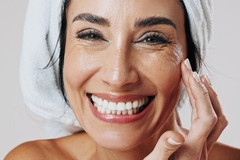
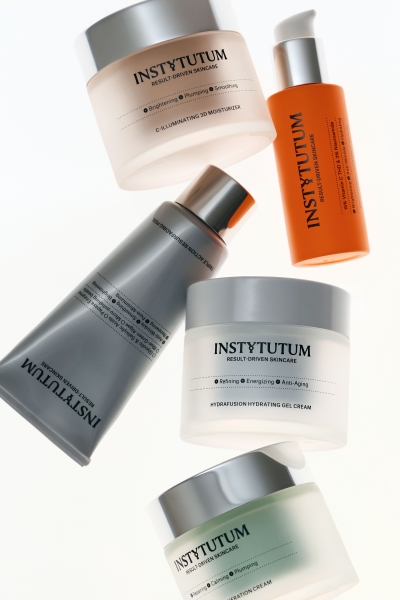
Swiss skin care brand Instytutum has reported that its complete skin care routine reduced calculated skin biological age by three years after 84 days of use. The new clinical data supports the company’s approach to biological skin aging.
Instytutum’s strategy is focused on improving “skinspan” — the period in which skin maintains healthy, resilient, and high-functioning characteristics.
The study findings reflect a wider shift in beauty toward longevity-focused skin care, where brands are moving beyond traditional anti-aging positioning to explore concepts such as skin resilience, healthy aging, and maintaining skin function over time.
Skin’s biological age
According to Instytutum, the 84-day trial demonstrated measurable improvements across several skin health markers. The brand reported a three-year reduction in calculated skin biological age, alongside a 16.2% increase in skin firmness.
 Biological age measurements aim to reflect changes in skin condition over time based on measurable characteristics.The independent European clinical-instrumental study evaluated 21 women aged 35–60 with visible signs of chronological and/or photo-aging.
Participants followed Instytutum’s complete seven-product morning and evening routine, with assessments conducted at baseline, and after 28, 56, and 84 days.
All participants also reported improvements in hydration, smoother texture, and radiance, supporting Instytutum’s positioning around longevity-focused skin care rather than traditional anti-aging claims.
The calculated skin biological age decreased from an average of 49.7 years at baseline to 46.6 years at day 84, according to the data.
From anti-aging to longevity
The study highlights the growing interest in longevity concepts in beauty, as brands increasingly explore how biotechnology, clinical testing, and advanced delivery systems can support long-term skin health.
Traditional anti-aging products have largely focused on visible concerns such as fine lines, wrinkles, and firmness. However, emerging longevity-inspired approaches are placing greater emphasis on underlying biological processes associated with skin aging.
Instytutum’s formulations “combine high concentrations of active ingredients with delivery technologies designed to improve ingredient performance and support both immediate and longer-term results,” says the company.
The brand’s findings also contribute to a broader industry conversation around how skin health may evolve from appearance-led solutions toward more personalized and science-driven approaches.
As longevity becomes a growing theme across personal care, clinical substantiation is also becoming increasingly important to validate efficacy claims and demonstrate measurable benefits to increasingly conscious consumers.