

“Lunchtime procedures” and loyalty points: Inside Korea’s beauty spending boom


Key takeaways
- South Korean consumers are spending more on beauty-related products and services using credit cards.
- Hyundai Card says beauty is becoming part of everyday lifestyle spending in South Korea.
- Credit card rewards, discounts, and retail benefit schemes are helping drive repeat beauty purchases.
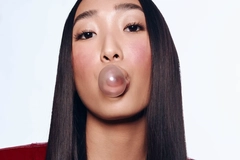
Frequent cosmetic-related spending is becoming a cultural norm in South Korea, and K-beauty consumers are increasingly using credit cards to fund this lifestyle. This is according to data by Hyundai Card, the South Korean credit card company owned by the Hyundai Motor group.
“Beauty-related spending is taking up a growing share of everyday consumer spending,” a spokesperson from Hyundai Card tells Personal Care Insights.
“According to Hyundai Card data, the number of cardmembers who made at least one payment in beauty-related categories — including cosmetics stores, skin care clinics, and cosmetic surgery clinics — increased by 52% from Q1 2023 to Q4 2025.”
As an example, Hyundai Card highlights that it has become popular for office workers to get quick cosmetic treatments done during their short breaks, known as “lunchtime procedures.” As these types of activities become incorporated into daily life, beauty-related spending has picked up in South Korea, and shoppers are turning to credit cards to fund the frenzy and bank on the financial benefits.
At the same time, credit card companies are launching benefit schemes and reward systems specifically for beauty-related purchases, helping fuel the demand even more.
“Beauty consumption in Korea is becoming increasingly embedded in everyday life. Consumers are considering not only products and brands, but also the benefits and payment convenience they can receive during the purchasing process,” says the spokesperson.
.webp) Hyundai Card says payment benefits and reward points can influence repeat beauty purchases.For beauty retailers, the data suggests that payment convenience and rewards are becoming increasingly important drivers of repeat purchases.
Hyundai Card says payment benefits and reward points can influence repeat beauty purchases.For beauty retailers, the data suggests that payment convenience and rewards are becoming increasingly important drivers of repeat purchases.
Cultural capital
Hyundai Card’s findings highlight how beauty-related spending among Korean consumers is expanding from one-off purchases for specific occasions into repeated and everyday consumption.
“As beauty spending is no longer limited to cosmetics purchases but is also expanding into skin care, personal care, and beauty-related services, it can be interpreted that Korean consumers are increasingly viewing beauty not only as appearance management, but also as part of self-care and their daily routines,” the spokesperson explains.
Hyundai Card says shoppers are getting smarter about how they pay as beauty becomes a regular expense.
The company offers four different beauty-related credit cards. The X Cut card gives a 5% discount at three popular Korean shopping spots, including Olive Young. According to its data, Hyundai Card says that after the card was launched, the number of cardholders using it for beauty purchases grew 10 times faster than any other uses of the Hyundai card.
“This can be interpreted as showing that consumers are seeking to reduce the cost burden through payment benefits while purchasing the products and services they prefer,” the spokesperson notes.
Hyundai Card’s Boutique Satin card lets customers earn 5% in reward points when shopping at beauty drugstores. According to the report, it had 25.5% active members using it for beauty spending in early 2025, and by the end of the year, the figure jumped to 42.1%.
.webp) Beauty purchases in South Korea are increasingly treated as part of regular self-care spending.Moreover, the company’s latest premium product, the Orange card, offers high reward rates at dermatology clinics. According to Hyundai Card, three out of four members who sign up for it are in their 20s or 30s, which the company says highlights the card’s popularity among millennial and Gen Z consumers.
Beauty purchases in South Korea are increasingly treated as part of regular self-care spending.Moreover, the company’s latest premium product, the Orange card, offers high reward rates at dermatology clinics. According to Hyundai Card, three out of four members who sign up for it are in their 20s or 30s, which the company says highlights the card’s popularity among millennial and Gen Z consumers.
Private label schemes
Hyundai Card also created a card specifically for Olive Young, South Korea’s leading beauty platform. The Private Label Credit Card (PLCC) is similar to versions Ulta Beauty and Sephora have — the Sephora Visa Signature Credit Card and Ulta Beauty Rewards Credit Card (Mastercard).
The Olive Young Hyundai Card allows shoppers to earn reward points on in-store and online purchases, which they can use like cash in future purchases. According to the credit card company, these types of PLCCs and targeted benefits schemes play a part in repeat purchases.
“Beauty is a category with frequent repeat purchases, so payment benefits, point accumulation, and card-linked discounts can influence consumers’ choice of where to shop,” the company spokesperson tells us.
“Card benefits and retailers’ loyalty rewards can serve not only as a way to attract new customers, but also as a factor that encourages repeat purchases among existing customers.”
The company says it is “expanding its product portfolio with beauty-related benefits to reflect these shifts in consumer behavior.”