

Beyond anti-aging: Longevity science redefines skin care’s mission
Consumers embrace aging as ingredient innovation targets biology, not just beauty.

Key takeaways
- Longevity science is shifting skin care from surface-level anti-aging to supporting biological skin health and resilience.
- Ingredient innovation now targets cellular pathways like mitochondrial function, DNA stability, and glycation to preserve long-term skin vitality.
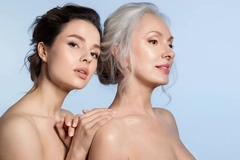
- Consumers increasingly accept aging and seek science-backed solutions that enhance confidence, function, and healthy aging across life stages.
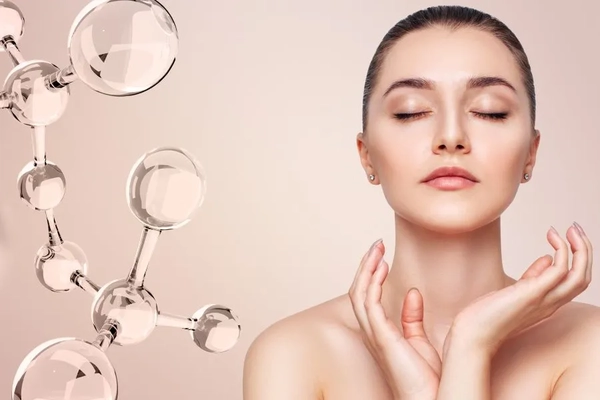
Skin care is shifting from short-term anti-aging to long-term skin health and resilience. Consumers are living longer and embracing maturing as a natural life process, causing them to seek solutions that preserve cellular vitality and anticipate aging rather than correct it.
According to Innova’s Top Personal Care Trends 2026, longevity in personal care is moving toward a more holistic, wellness-led approach to healthy aging. Consumers are increasingly accepting aging as a natural process while still seeking products that support confidence and long-term personal care.
Personal Care Insights speaks with Symrise and Barentz about the shift, as consumers now seek longevity solutions, ingredient players are pushed to support biological changes and mechanisms of action rather than surface-level cosmetic outcomes.
Nathalie Chevrot, global skin care category director, Advanced Actives at Symrise, says that longevity science is already influencing ingredient development. She details that mechanisms well-characterized in biology, such as genomic stability, epigenetic regulation, mitochondrial function, and cellular senescence, are being applied to develop new longevity-focused solutions.
“These pathways help developers move from visible correction toward root-cause mechanisms, aligning with the scientific ‘hallmarks of aging’ framework. This influence is already visible through mechanistic screening, biomarker profiling, and ex vivo models, which allow companies to substantiate biological activity realistically even before clinical evaluation.”
Innova Market Insights data suggests that 30% of consumers are interested in clinical or science-backed beauty ingredients, with 21% considering research-proven as an important factor when buying personal care brands.
Chevrot tells us that Symrise strengthens its focus on biological pathway validation, ex vivo human tissue testing, and integrated pre-clinical/clinical evaluation, so that longevity claims are both credible and relevant to future formulation needs.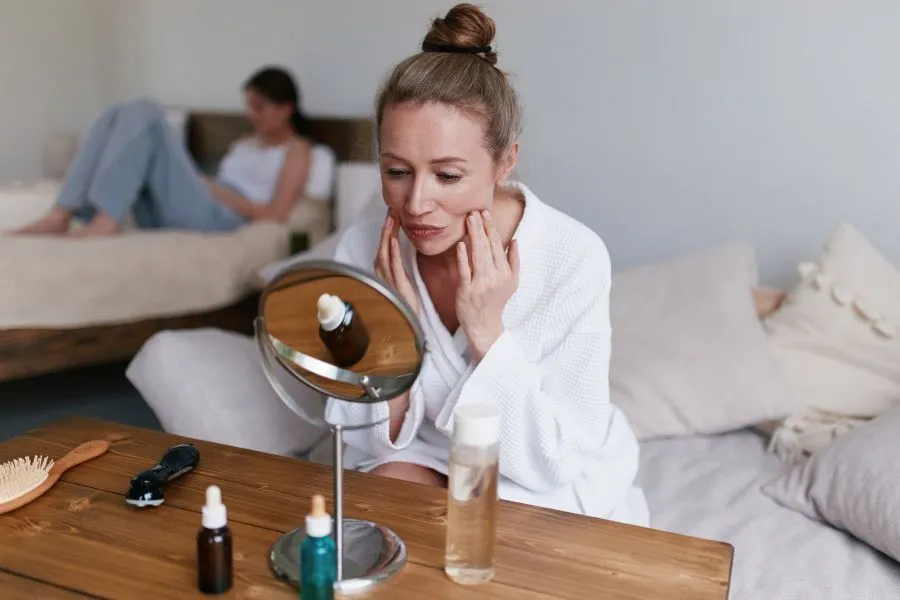 Skin health focuses on biology, not correction.
Market shifts
Symrise predicts that in the next decade, longevity will move from a niche narrative to a foundational beauty pillar. The company points to how SPF and microbiome care have expanded in recent years following a similar blueprint.
“We expect longevity to extend beyond facial skin care into scalp biology, hair aging, body care, and ingestibles, forming a more holistic ecosystem around healthspan,” says Chevrot.
Ingredient suppliers are expected to play a key role by providing validated biological models, transparent mechanism data, biotech-enabled actives, and scientifically supported claims. Chevrot explains this will help brands navigate a category that requires scientific rigor and consumer clarity.
Market opportunity
Longevity-associated marketing often targets older demographics who are keen to age gracefully. Over one in three Generation X consumers globally say their financial standing/disposable income has improved in the last 12 months, and 38% say they spend a notable share of their disposable income on personal care, according to Innova Market Insights.
The older demographic is projected to increase as people worldwide live longer than ever before.
From 2000 to 2050, the proportion of the world’s population aged 60 years and older is projected to double, while those aged 80 years and older will nearly quadruple. In the US, the number of centenarians is projected to more than quadruple over the next three decades, from an estimated 101,000 in 2024 to about 422,000 in 2054, according to the projections from the US Census Bureau.
“This global phenomenon of population aging is a significant demographic transition that presents both opportunities and challenges,” says Barentz.
“By understanding the underlying physiological determinants of aging, we can develop targeted strategies to enhance longevity and preserve overall well-being.” 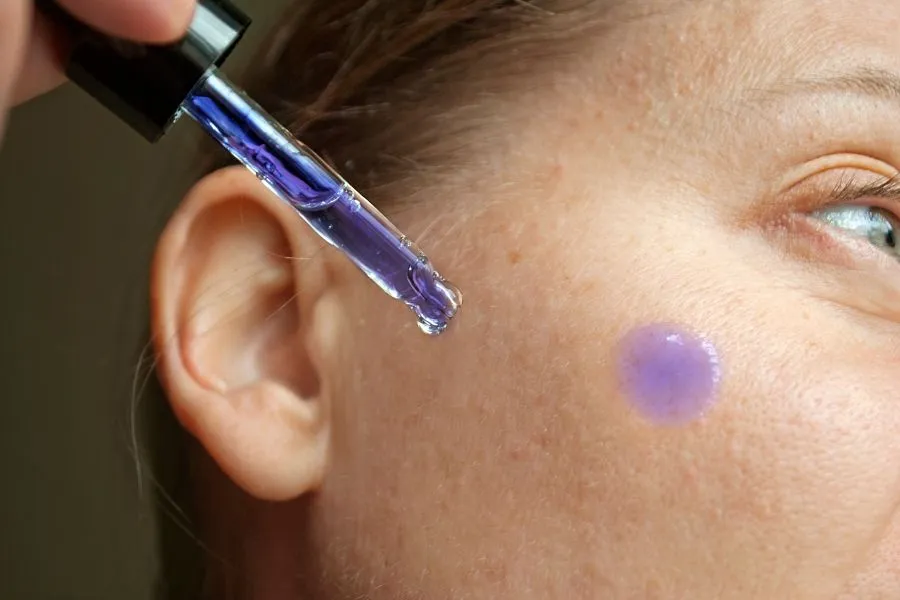 Beauty ingredients are targeting cellular vitality.
Innova Market Insights flags a growth opportunity for longevity-based skin care: reframing anti-aging around empowerment and confidence. The market researcher finds that 69% of global consumers accept that they are aging, and 46% feel they look good or better as they age.
“The future of longevity will not be about making skin look younger, but about preserving function, structure, and vitality across life stages,” concludes Chevrot.
Scientific backing
Barentz defines longevity as living beyond the species-specific average age at death. However, the ingredients company says that longevity should not merely be about extending years but enhancing the quality of those years.
“This is where the concept of healthy aging intersects with longevity. Strategies to promote longevity must address the root causes of aging and mitigate their effects,” says Barentz.
Innova Market Insights flags a 41% CAGR of new product launches in personal care tracked with “longevity” claims, and 66% of global consumers have a positive association with the term “longevity.”
Longevity ingredients
Barentz points to resveratrol as one of the most well-known ingredients in the longevity space. The polyphenol is known to activate sirtuins, often dubbed the body’s “longevity proteins.” These proteins are central to cellular repair, DNA stability, and energy regulation, processes that help slow visible marks of aging.
A broader cast of polyphenols, along with vitamins A and E, also play a critical role in replenishing the skin’s antioxidant reserves. By neutralizing oxidative stress, these compounds help protect DNA, lipids, and proteins from damage — key targets in the cellular breakdown that accelerates skin aging.
These antioxidants also inhibit glycation, which occurs when sugar molecules bind to proteins and lipids, weakening the skin’s structural integrity and contributing to sagging and loss of elasticity. Slowing glycation, in turn, helps preserve firmness and resilience. 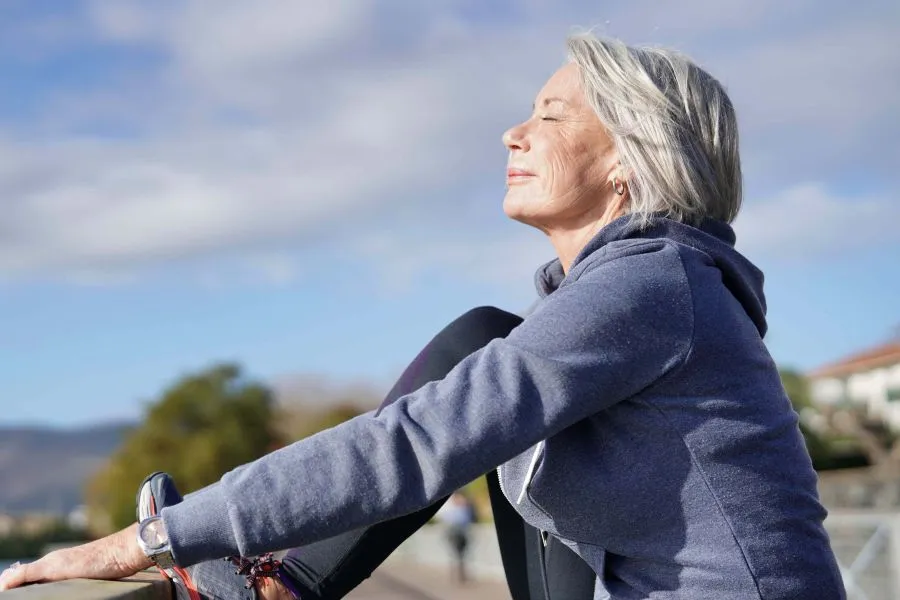 Consumers are embracing aging with confidence.
Rounding out the biohacking toolkit are niacinamide (vitamin B3) and NAD+, both essential to mitochondrial health and cellular energy production. As key drivers of sirtuin activation, they enhance the skin’s repair capacity, strengthen the barrier function, and support more efficient cellular energy use. These factors translate into a brighter, smoother, more youthful-looking complexion.
“Another key longevity ingredient is carnosine (or its derivative, carcinine, an even more stable and efficient form), acting as both an antioxidant and an anti-glycation agent. It helps protect collagen and elastin fibers from degradation while neutralizing free radicals, preserving skin firmness and resilience over time,” explains Barentz.
“By incorporating these innovative bioactive ingredients, modern skin care formulations can offer targeted, science-backed solutions to protect, repair, and optimize the skin’s longevity potential, ensuring a youthful, radiant appearance for years to come.”