


Menopause care struggles to meet skin needs despite launch surge

Key takeaways
- Menopause and perimenopause care gaps persist despite growing beauty industry awareness and product launches.
- Experts warn that misleading menopause marketing claims and limited consumer education are eroding trust in personal care brands.
- Brands should prioritize listening to consumers, evidence-based skin care, awareness, and holistic solutions to address care gaps.
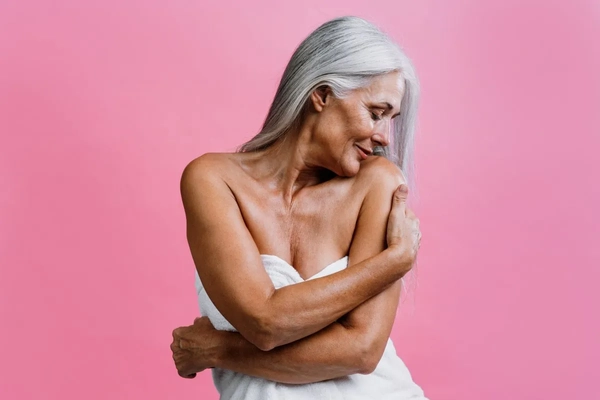
Menopausal and perimenopausal needs are continuing to go unaddressed despite an influx of product launches and awareness campaigns from the beauty industry, according to Flo Health. Personal care brands have been making a pointed effort to close the menopause care gap, yet the legacy of stigma persists as consumers continue to feel dismissed, unrepresented, or misled.
Personal Care Insights speaks to Flo Health, Rest, and Barefaced about how the industry can address a demographic that has been historically disregarded. The experts tell us that brands need to meet their communities where they are and to get specific with solutions.
Lack of awareness and education creates a sustained gap in menopausal and perimenopausal care, says Andy Nguyen, co-founder and CEO of Rest. Hormone-related skin changes, for example, lead to confusion about what products are appropriate for consumers’ needs.
This confusion, coupled with a sudden crowding in a historically vacant category, is raising “menopause marketing” concerns as outlined by Rina Hahn, chief marketing officer at Flo Health. Consumers find themselves vulnerable to empty product claims in a stage of life they feel unprepared for, creating a trust gap between brands and buyers, says Hahn.
The experts from Flo Health, Rest, and Barefaced tell us that hormone-related personal care should be approached as an inherently holistic category since the life changes impact a myriad of aspects of appearance and overall health. They say understanding consumers’ multi-layered needs starts with listening.
“The beauty and personal care industry is, as the name says, personal. Women already trust these brands with their daily routines. The opportunity is to listen to what they’re going through and meet them there, with honest information as well as products,” says Nguyen.

Menopause and perimenopause remain underserved areas in the beauty and personal care industry.
Cutting through menopause confusion
While perimenopause is increasingly becoming a mainstream topic, there is little widespread understanding of how hormonal changes impact other areas of the body besides reproduction.
Jordan Harper, board-certified nurse practitioner and founder and CEO at Barefaced, tells us that part of improved awareness includes recognizing that hormonal changes affect the skin. “For so long, women have been left wondering why their skin suddenly feels drier, more sensitive, or just different than it used to, without really understanding why.”
“Where the industry still has room to grow is moving beyond putting a menopause label on a product and actually helping women understand what their skin needs during this stage of life,” she says.
Harper also expresses frustration with treating skin care as a one-step solution to menopause and perimenopause support. She feels “very tired of seeing siloed industries offer the ‘solution’ when in reality it takes a holistic approach.”
Flo Health’s Hahn echoes the sentiment of putting education first.
“There is nothing wrong with seeking beauty and skin care treatments that could support women during menopause, but our hope is that if we can first improve women’s health literacy on better understanding their symptoms and experiences, they’ll be able to make these purchasing decisions from an informed standpoint,” says Hahn.
She tells us that while the improved industry awareness around perimenopause is encouraging, the category is becoming increasingly saturated with false claims.
“On one hand, we’ve come a long way in that perimenopause has certainly entered the social media and influencer zeitgeist, but an influx of ‘advice’ from unaccredited voices that are usually trying to sell product solutions could actually be doing more harm than good, and only adding to the confusion women experience about perimenopause,” says Hahn.
Harper adds that the beauty industry has a responsibility to help consumers understand their options and feel confident navigating them.
One in three users surveyed by Flo Health were unsure whether they were experiencing perimenopause.
Communicating with consumers
The experts stress the importance of listening to firsthand accounts and the day-to-day concerns of people experiencing menopause and perimenopause.
For skin care-specific needs, Harper tells us that “it starts with paying attention to the real experiences.”
“Skin that suddenly feels drier, more reactive, products that all of a sudden become irritating, or changes in elasticity can all leave people wondering what happened to the routine that used to work so well. Those experiences should shape product development and the way we educate and communicate with our customers.”
Flo Health’s Hahn underscores the perimenopause preparedness gap. The period-tracking app company collected data and insights from 1,493 US-based Flo users and conducted surveys to research perimenopausal people’s lived experiences. It found that one in three women aren’t sure if they’re in perimenopause or not. She also tells us that 66% of women say they felt better prepared for puberty than perimenopause.
“The biggest opportunity for growth in understanding this demographic is to hear directly from them,” says Hahn. “Meeting women where they are will help us all better understand how they can be best supported.”
Similarly, Nguyen tells us that menopause is still treated as a taboo, pressuring people to experience it in silence. “There are more care options than ever, but they only help if women feel comfortable reaching for them,” he says.
“Brands should listen to their communities, bring in expert voices, and get specific about where the gaps are. Then they can get creative about solutions. That could be a product, but it could also be adding an education component to your website, investing in research about perimenopause and menopause, or bringing experts on board at your brand to advise.”
Nguyen adds that brands can also partner with and support nonprofits who advocate for people going through perimenopause and menopause. “Your brand doesn’t need to cover everything. Sometimes partnering with brands that are already doing great work is just as impactful and important,” he says.
For example, as a bedding brand, Rest partnered with Olly, ClearStem, Let’s Talk Menopause, and the National Menopause Foundation to launch HotLine, a 24/7 toll-free resource to provide support when symptoms strike. It aims to assist people in understanding what might be going on in their bodies and what they can do next.
Beauty brands are expanding menopause-focused product ranges, but consumer trust remains fragile.
Repairing damaged trust
The experts tell us that people going through menopause and perimenopause often feel disillusioned and disenfranchised with menopausal care after having their symptoms dismissed or not taken seriously by care providers.
“Women have historically had negative experiences when raising concerns, and then they lose faith,” says Hahn. “The negative stories we are hearing about ‘menopause marketing’ are a result of women feeling taken advantage of during a stage of life they were woefully unprepared for.”
By making unfounded or unsubstantiated claims, the personal care sector plays a hand in damaging the already precarious trust in menopausal care.
“Helping our users feel informed, empowered, and speaking their language about perimenopause experiences is a way to earn trust and meet women where they are.”
“If companies want to build trust with consumers, they can also be their best advocates. Create effective products that address their needs, invest in research, create perimenopause-friendly workplaces, and walk the walk on helping to extend perimenopause care to women who lack access to it,” Hahn concludes.