




Hidden cost of mica: Cosmetics industry confronts India’s illegal mining labor


Key takeaways
- Mica mining in Jharkhand still relies on child labor, driven by extreme poverty.
- Existing laws and policies are in place, but haven’t yet effectively stopped illegal mining or child labor.
- The RMI is working on transparency and community empowerment to tackle the issue, collaborating with the cosmetics industry.
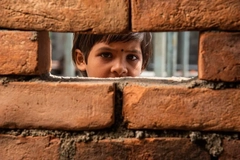
Behind the shimmer of cosmetic ingredient mica, beauty companies are inadvertently profiting from poverty and child labor — but they are also leading the change. Illegal mica mining in India is carried out for the ingredients’ use in personal care and other industries.
The Forest Conservation Act of 1980 closed 700 mines, making mining illegal. However, driven by a lack of opportunities, illegal mica scavenging became the primary source of income for local families, including children. The work poses risks to workers, such as increased accidents, diseases, and sun exposure.
Jharkhand, India, is the largest mica mining site in the country and a primary global source of the mineral. Although mining activities have been banned, hazardous work continues to be carried out due to a lack of alternative income sources.
Personal Care Insights sits down with Fanny Frémont, executive director of the Responsible Mica Initiative (RMI), to discuss the complexities of mica mining and child labor, the current supply chain, and how the cosmetic industry is a driving force in addressing this humanitarian issue.
She stresses that addressing child labor requires action on multiple fronts, including awareness-raising activities and driving cultural change. One way to do so is by improving the livelihoods of mica-dependent families through adequately paid work.
Additionally, Frémont explains that the formalization of work can be facilitated by providing access to quality education and implementing effective law enforcement by governments.
“The RMI is convinced that only a multi-stakeholder and holistic approach can deliver lasting impacts, with shared responsibility among civil society, governments, and companies across mica supply chains,” says Frémont.
The cosmetic industry utilizes mica in a range of products and formulations, including decorative makeup and personal care products. The industry has also been recognized as a driving force in establishing more ethical supply chains for its work toward eliminating child labor.
Driving force for change
The cosmetics industry was the primary driving force behind the creation of the RMI.
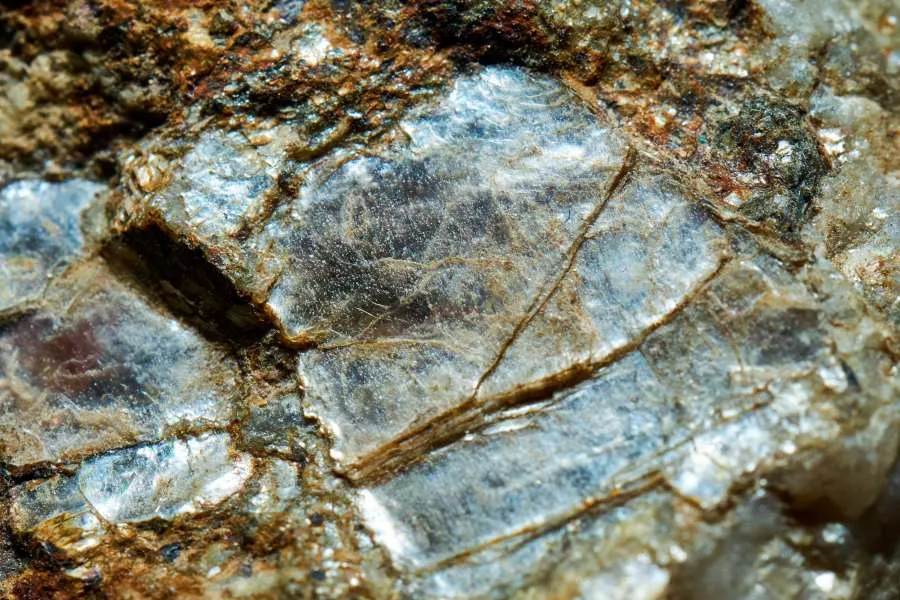 The cosmetics industry was the primary driving force behind the creation of the RMI.“It was one of the first industries to recognize the situation and take action on the issues associated with mica sourcing in India. Yet, it is one of the smallest users of mica, accounting for around 15% of total consumption,” asserts Frémont.
“Today, this industry continues to play a leadership role in addressing mica sourcing-related problems in India.”
The RMI is working closely with personal care companies to tackle the issue.
Frémont explains that the RMI cannot provide any information related to specific member organizations, but notes that membership entails a commitment to work on traceability and transparency.
The initiative and its members support the adoption of responsible workplace practices in upstream mica supply chains and back communities through empowerment programs.
“To further accelerate progress, we need government engagement as well as other concerned industries, such as electronics, cables, and construction, to invest in programs fighting child labor alongside the cosmetics sector.”
Supply chain dynamics
The organization Terre des Hommes Netherlands explains that due to extreme poverty, parents and children have no other choice but to carry out the dangerous work, as there are barely any other sources of income in the region.
It details in a report that the mica miners are all self-employed. Men, women, and children collect the mica themselves in the abandoned mines using tools such as hammers and shovels. They typically work eight-hour shifts without protective gear.
The next step involves selling the raw material to middlemen, who then sell it to factory agents or shopkeepers. Usually paid per kilo, although a higher price is paid for bigger sizes, transparency, and brighter colors.
It is then sold to the factory or processing agents, which is the final step in the supply chain. After cleaning and cutting the mica, it undergoes processing through the personal relationships of the agents with the exporting and manufacturing companies.
“This exploitation usually is most severe at the initial stages of the supply chain. The mica miners and collectors do not benefit much from the little profit that the local mica industry is making and have no agency in receiving fair income,” said Terre des Hommes Netherlands.
The organization is working to tackle this issue, advocating for the formalization of supply chains and the establishment of minimum wages for adult mica miners, while removing children from work and enrolling them in schools.
No concrete action
India’s government introduced the Child and Adolescent Labour (Prohibition and Regulation) Act, 1986, which banned children under the age of 14 from engaging in hazardous work.
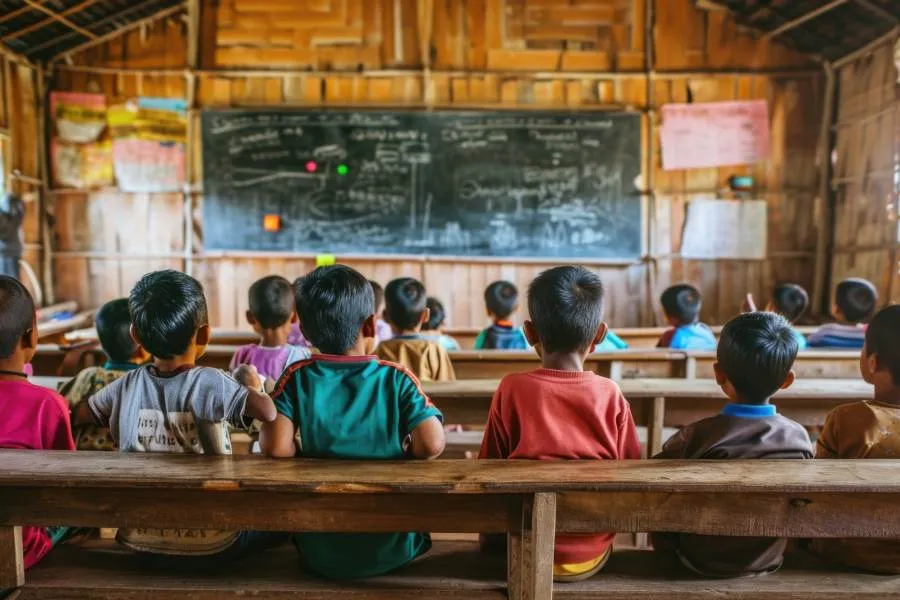 India’s government introduced the Child and Adolescent Labour (Prohibition and Regulation) Act in 1986.In 2016, the act was strengthened, and laws and rights related to education were introduced. Frémont tells us that the Indian government has suggested two key changes.
In 2022, the Jharkhand State released a Dhibra Policy, which would allow communities to sell mica debris through the formalization of cooperatives or self-help groups. In February 2025, the central government reinstated mica as a major mineral, placing it under its own responsibility rather than that of individual states.
However, the measures have not yet translated into concrete action or impact.
“Unfortunately, these announcements and changes have not resulted in the granting of new official mica mining leases. The RMI continues to engage at the central and state levels to ensure that official licenses are issued as soon as possible.”
She says reviving and formalizing the upstream mica industry, recognizing and registering workers, are the backbone of what can create change and make the programs that RMI is implementing sustainable.
“Change takes time”
Frémont stresses that if mining activities are not properly regulated and personal protective equipment is not provided to miners, the health risks will remain.
These risks include respiratory diseases, accidents such as falls and cuts, prolonged sun exposure, and related vision problems due to mica’s reflective properties. Musculoskeletal disorders may also occur, particularly from carrying heavy loads on the head or maintaining long-held positions.
“Other hazards include pit collapses and work involving other vulnerable populations, such as pregnant or breastfeeding women. [There is also a] possible economic exploitation related to dependence on mica mining,” says Frémont.
Although the government has taken action on this issue, change takes time in a country as large as India.
Frémont states that the RMI members’ goal is to eliminate child labor from their mica supply chains by 2030.
“Together, we are working hard to achieve upstream traceability, transparency, and improve working conditions, including child labor situations. The RMI has initiated community empowerment programs in 230 villages in India, where school attendance at the end of the program is over 90% despite ongoing cultural challenges.”
Working on village level
The RMI was formed in 2017 as a Coalition for Action and envisions a world where mica value chains are fair, responsible, sustainable, and free of child labor.
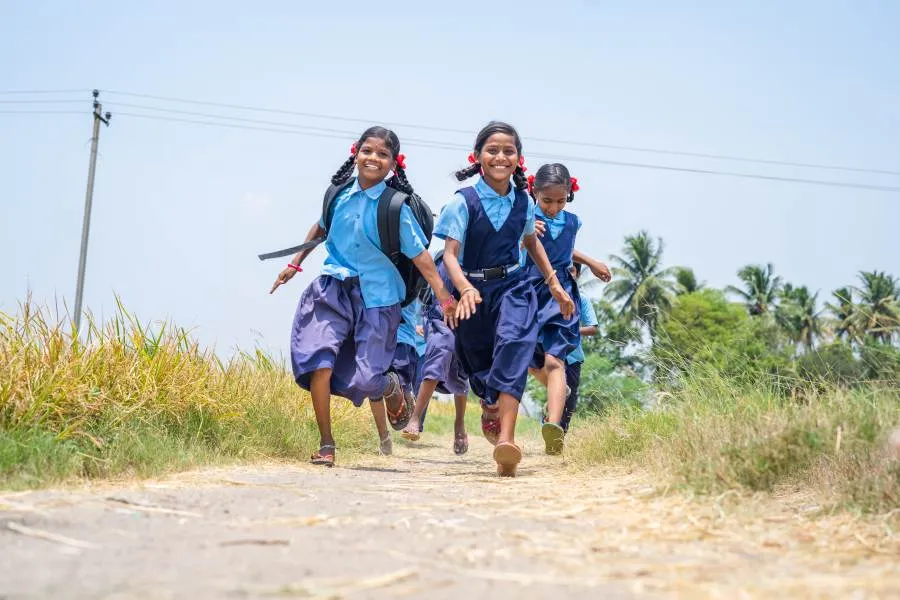 Frémont emphasizes that tackling child labor situations is a shared responsibility that requires a holistic approach.“Our work focuses on addressing the root social and economic causes of child labor and poor working conditions in key mica-extracting regions. RMI aligns with and supports global efforts to strengthen responsible sourcing, due diligence, and corporate accountability across supply chains,” says Frémont.
By acting across social, economic, and regulatory dimensions, RMI aims to drive systemic change that benefits workers, communities, and businesses.
The initiative promotes transparency and responsible workplace practices, fostering governance and an enabling legal environment, and empowering workers and communities.
“RMI works at the village level to empower communities and children through access to quality education, capacity building, improved health and nutrition, and development of livelihood opportunities,” she says.
The initiative also works toward payment of fair prices for mica, contributing to living incomes and wages.
“By supporting adults’ improved livelihood and child rights awareness, this pillar aims to break the cycle of poverty and child labor for good.”
Frémont emphasizes that tackling child labor situations is a shared responsibility that requires a holistic approach. “Beyond the cosmetics industry, all concerned industries must engage if we want to achieve sufficient impact.”