


Scientists confirm viral rosemary remedy for scar-free skin healing


Key takeaways
- US researchers have confirmed that carnosic acid, found in rosemary leaves, promotes scar-free wound healing.
- The compound works by activating sensory pathways involved in tissue repair, enhancing natural recovery processes.
- The study, inspired by a viral TikTok trend, highlights rosemary’s antioxidant and anti-inflammatory potential for future cosmetic formulations.
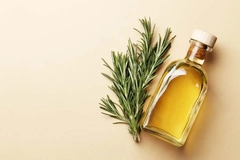
US-based researchers have confirmed the skin benefits of rosemary leaves in a study, following the ingredients’ popularity on social media. The study found that a compound from the plant, Carnosic acid, improves the healing of skin wounds without leaving a scar.
“Many skin injuries end in scars, and in some people, it can lead to long-term cosmetic and even functional issues,” says senior author Thomas Leung, an associate professor of Dermatology at the University of Pennsylvania.
“Our findings suggest that rosemary extract, and specifically the antioxidant, carnosic acid, can shift the healing process from scarring to healthy skin regeneration.”
However, Laung adds that the study results have not yet been confirmed for humans.
Trending on social media
The study, published in JCI Insights, was inspired by a trend on TikTok and Instagram. The researchers aimed to confirm rosemary’s scar-healing efficacy after noticing an influx of beauty influencers and other social media users touting home-made serums with rosemary leaves.
The research was conducted on mice, who were given a cream containing carnosic acid, a natural antioxidant found in rosemary leaves, to accelerate wound closure and restore hair follicles, oil glands, and cartilage.
 A social media trend inspired the study.Carnosic acid obtained from rosemary supports skin tocopherols in protecting their oil phase, which has a distinct effect on protecting the skin from oxidative stress.
The compound is a phenolic diterpene and has “long been valued” for its bioactive properties. Of all the constituents of rosemary, carnosolic acid is one of the key components that give the plant its antioxidant and anti-inflammatory properties.
“We hypothesized there was likely something real behind the hype because rosemary contains many antioxidants,” says Jiayi Pang, co-lead author of the study. “But we knew to really uncover its potential, we needed to prove its healing properties and uncover how exactly it was facilitating healing.”
However, the scientists found that a nerve sensor in the skin, essential for wound healing, TRPA1 (Transient Receptor Potential Ankyrin 1), plays a crucial role in the healing process. TRPA1 is a sensory ion channel that determines how we detect pain, irritation, and chemical irritants.
When the cream containing rosemary leaves was tested on mice lacking the TRPA1 receptor, it had no wound-healing effect.
“We also identified other herbs, such as thyme and oregano, that may activate TRPA1. But rosemary stood out for its potency and safety,” says Rapp Reyes, co-lead author of the study.
“Other natural ingredients, such as mustard oil or the topical medication imiquimod, are also known to stimulate the TRPA1 receptor, but unlike rosemary, those can cause irritation and inflammation,” adds Reyes.
Additionally, the study found that the wound-healing effects of the carnosic cream were only effective when applied directly to the wound.