
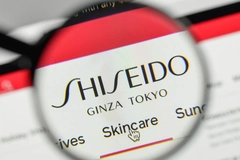

Shiseido sells China business in profitability push

Key takeaways
- Shiseido will sell its Chinese subsidiary, which it fully owns, to a private equity-led consortium.
- The deal includes the subsidiary’s Beijing factory and is expected to close by early 2027.
- The divestment supports Shiseido’s strategy to improve profitability and focus on higher-growth opportunities.
Shiseido will sell its Chinese subsidiary, Shiseido Liyuan Cosmetics (SLC), to an investor consortium led by private equity firm IDG Capital, headquartered in Hong Kong. The Japanese cosmetics group has signed a binding agreement to transfer all of the company, which makes and sells the Aupres brand in China.
The deal is expected to close between the fourth quarter of 2026 and the first quarter of 2027, subject to regulatory approvals, including in China. The financial terms were not disclosed.
The sale is part of Shiseido’s push to improve its profitability and capital efficiency under its 2030 Medium-Term Strategy. As part of the plan, Shiseido says it wants to drive sustainable growth and strengthen its competitiveness in China by focusing the company’s management resources on areas where it “enjoys the greatest competitive advantage.”
The sale of the China subsidiary sheds a business that needs continued investment in product innovation and digital capabilities, according to Shiseido. The company explains the divestment allows the group to concentrate on priority brands and higher-growth opportunities.
“China is a strategically important market for Shiseido and an attractive, dynamic market where the competitive landscape continues to evolve amid the rapid expansion of e-commerce, changing consumer behavior, and the emergence of diverse market participants,” says Shiseido.
Passing ownership
SLC was established in 1991 as a joint venture with Beijing Liyuan, a subsidiary of Yiqing Group owned by the Beijing Municipal Government. SLC has been selling its C-beauty brand Aupres since 1994.
With the current joint venture agreement set to expire in December 2026, the parties agreed not to renew it. Instead, on September 1, 2026, Shiseido acquired Beijing Liyuan’s 35% stake, giving it full ownership ahead of the now sale.
.webp) Shiseido is selling its Chinese subsidiary as part of its strategy to improve profitability.Under the transaction, funds managed by IDG Capital will take 95% of the equity through two special purpose vehicles, while a limited partnership enterprise set up mainly by SLC’s new management team will hold the remaining 5%.
The deal includes SLC’s Beijing factory and production equipment. Shiseido believes independent operation under IDG will support SLC’s sustainable growth and brand value.
Fine-tuned fine print
To ensure a smooth handover, Shiseido will license the intellectual property rights IDG needs to run the business.
“Additionally, for a specified period following the transfer, Shiseido will provide ongoing support on new product development, technical assistance for the stable supply of existing products, and the continued supply of raw materials and selected products,” says the company.
The vestigial collaboration aims to maintain the China subsidiary’s innovation capabilities, product quality, and business continuity.
The divestment comes days after Shiseido reported a 124.3% jump in its core operating profit for Q3 2026, to ¥67.5 billion (US$422.13 million). The recovery was attributed to restructuring, cut costs, and improved margins rather than strong product demand — like-for-like sales grew 0.7%.
Shiseido raised its full-year core operating profit forecast from ¥69 billion (US$433 million) to ¥87 billion (US$546 million) on the back of those results.