




How small beauty brands can navigate tariff turbulence and refunds

Key takeaways
- Indie beauty brands that absorbed tariff costs can claim refunds, but may not be sure how.
- Your Saha filed early with FlavorCloud’s help and reinvested its refund into growth.
- The brand keeps traditional Moroccan products while shifting to new formulations for US production.

Smaller beauty brands are inevitably impacted more by tariffs, but there are options to recuperate the financial burden that they may not be aware of. Navigating the refund process can return a significant sum to indie brands that absorbed tariff costs rather than passing them on to customers.
Zineb Zayer, founder of Your Saha, walks Personal Care Insights through what it did to circumvent tariff pressure. She reveals that quick adaptation, creative strategies, and third-party aid prevail when building a beauty brand in an era of tariffs muddying the business waters.
“You can have an incredible product, beautiful packaging, and a strong social media presence, but if you don’t understand your supply chain, import costs, and margins, it becomes incredibly difficult to scale sustainably,” says Zayer.
“Tariffs have certainly created challenges, but they’ve also pushed us to become more strategic and resilient… We’ve learned to stay informed, adapt quickly, and never become too comfortable with one way of operating.”
Your Saha is a Moroccan-founded beauty brand that brings traditional Moroccan cleansing practices to consumers worldwide, with a particular focus on the US market. The brand sources ingredients and products directly from Morocco and is moving some production of newer formulations to the US to access advanced manufacturing and technology.
Weathering trade winds
Zayer says that global tariff wars added additional costs to every unit Your Saha imported. On a growing brand, those costs add up. However, the brand made the decision to absorb prices instead of passing them to customers.
“Absorbing the additional tariff costs meant being even more strategic about where every dollar went. One of our biggest advantages as a small business is that we try to keep as much as possible in-house. Rather than outsourcing every aspect of our business, we rely heavily on our own creativity, talent, and marketing strategies… We just had to become more resourceful, more creative, and more intentional with every decision,” explains Zayer.
“As a newer brand, we reinvest practically everything back into the business. There really isn’t time to slow down when you’re building something from the ground up, especially in an industry as competitive and fast-moving as beauty.” Zayer urges indie beauty brands to check their tariff refund eligibility (Image credit: Your Saha).
The founder adds that having an international logistics and customs partner makes a positive difference, especially when navigating “gusty international trade winds.” Your Saha works with FlavorCloud, a cross-border e-commerce and logistics operating company, which helps the beauty brand understand the complexities of cross-border shipping, duties, and taxes.
“For us, it’s about creating partnerships that can grow alongside our business, help us operate more efficiently, and allow us to focus on what we do best: building our brand and reaching new customers.”
FlavorCloud took Your Saha through the numbers, helped it better understand the refund process, and confirmed that the brand was eligible for a refund. Zayer says the cross-border logistics company also helped it recognize the importance of reaching certain thresholds and how those milestones could “significantly impact [the]business financially.”
“Also, it helps to have a logistics partner that has different levels of experience with different industries. Every business niche is quite different in terms of tariffs, duties, taxes, and international trade, so having that reliability was crucial to our growth.”
Claiming what’s owed
Beauty brands have been given the opportunity to regain the tariff costs they paid on imported products through refunds issued by the US government. A tariff refund returns the import duties a business has already paid, with interest added. For indie brands like Your Saha, which absorbed tariff costs on every unit rather than raising prices, this can return a significant sum to the business.
The reimbursements became available after the US Supreme Court struck down the Trump administration’s sweeping tariffs in February — meaning those duties should not have been collected.
Since April 20, importers have been able to file claims through an online portal run by US Customs and Border Protection (CBP), uploading a list of the shipments on which they paid duties so that CBP can calculate and process the refund.
Your Saha learned about the potential for tariff refunds through the news and FlavorCloud. As a small beauty brand, it performed daily monitoring of Google for the latest logistics, customs, and tariffs in the US, Europe, and Asia.
“With how chaotic and constantly changing the tariff situation has been, we’ve made it a priority to stay as informed as possible about anything related to tariffs, international trade, and logistics,” says Zayer.
Zayer calls the duties changes ones that the importing business cannot afford to overlook. “A single policy change can have a direct impact on our costs, inventory planning, and overall operations, making it crucial to have a dedicated third party watching out for us.”
“We were among the first to submit our paperwork because we try to stay ahead of these developments rather than react to them months later. The process took a couple of months, and while it required patience, we understood how important it was to recover any funds we were entitled to.”
Zayer says the biggest lesson is that building a successful beauty brand requires just as much attention to what happens behind the scenes as what consumers see. 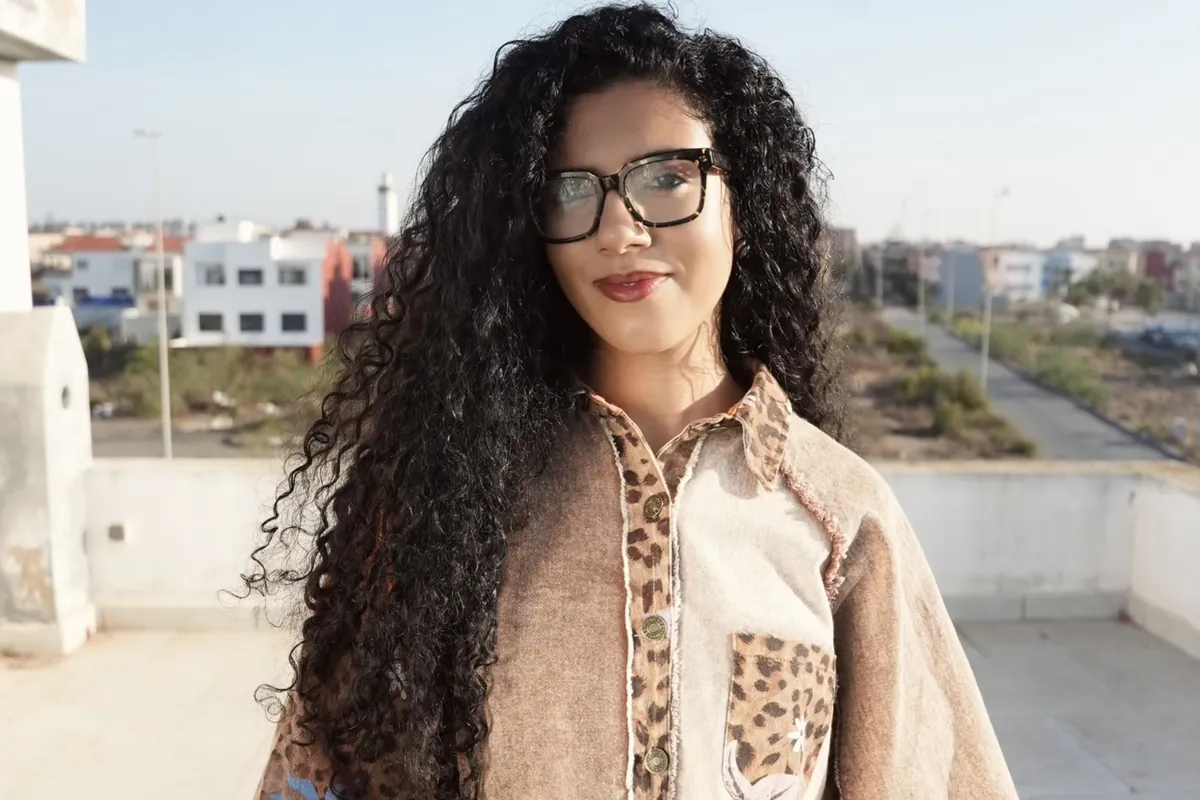 Your Saha reinvested its tariff refund into new products and growth.
Refunds as growth capital
Zayer urges brands that have not looked into whether they qualify for tariff refunds to “start looking immediately.”
She explains that founders may be honed in on sales, marketing, and product development, leaving operations like customs, duties, and trade policies to become an afterthought. “Understanding your import costs is just as important as understanding your revenue…. Even small amounts per unit can become significant when you’re importing at scale.”
Zayer also advises that indie beauty brands be involved in the claims process and not to solely rely on professionals. She adds that staying hands-on allows founders to be well-rounded in all aspects of their business.
However, Your Saha conducted its business operations as if the refund wasn’t coming. “We never wanted our growth plans or product launches to depend on the possibility of receiving a refund, especially given how unpredictable the tariff situation has been,” she says. “The refund provided additional financial flexibility, but it didn’t dictate our strategy.”
Once the tairff refunds landed, Your Saha reinvested the money back into the brand. Zayer explains that the brand operates on the principle that the money it generates goes back into building — “especially as a newer brand and small business.”
“We don’t look at recovered costs as extra money to spend. We look at them as capital that can help us continue building what we’ve already started.”
Moroccan roots, global innovation
Your Saha believes its roots in Moroccan culture set it apart in the beauty landscape. Thus, Zayer argues that personal care brands shouldn’t feel that they have to sacrifice their identity to survive tough market conditions.
“I think it’s important to remember that being a smaller brand doesn’t mean you have to think small,” she says.
“We’ve been able to introduce Moroccan beauty rituals to millions of people through our own creativity, organic content, and a very hands-on approach to building the business.”
Zayer also advocates for leveraging global technology, manufacturing, and innovation to create something new. “For us, preserving culture and embracing innovation should never be mutually exclusive.”
Your Saha is moving toward a hybrid production model, splitting its production between Morocco and the US. While ingredients and products rooted in Moroccan tradition will remain sourced from the country, the brand is shifting some production to the US to tap advanced formulation, packaging, and manufacturing capabilities. 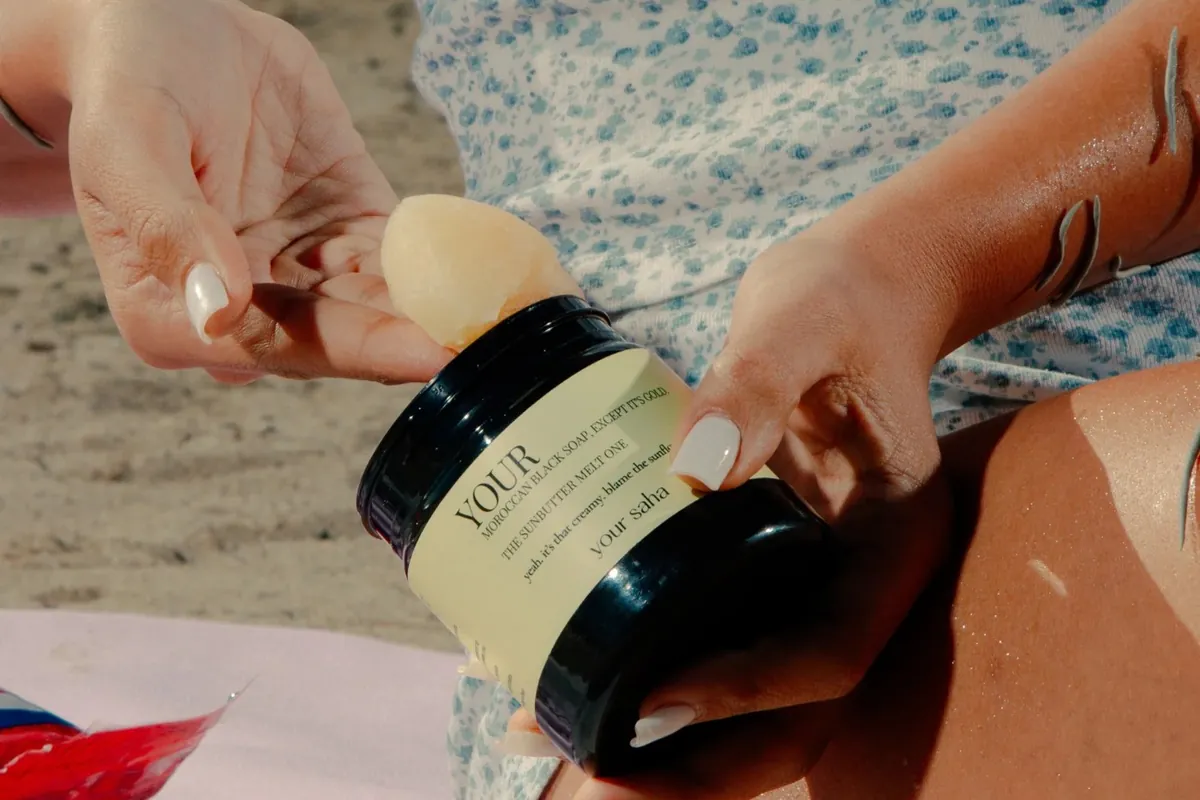 FlavorCloud helped Your Saha navigate cross-border duties and refunds (Image credit: Your Saha).
“Countries like the US, China, and those across Europe have incredible technological capabilities, advanced manufacturing facilities, and specialized expertise that can help us develop products that may not currently be possible to manufacture in Morocco at the same scale or with the same technology,” says Zayer.
Your Saha was created to introduce the Moroccan “everything shower” globally. The “everything shower” refers to detailed and extensive shower routines that cover every part of the body. “Through our social media presence and the rise of #ShowerTok, we’ve been able to introduce an entirely new category of showering to an audience that may have never experienced these rituals before, especially in the US.”
Local roots, global reach
Zayer says Your Saha was born out of a gap in the market. Moroccan beauty rituals have been practiced for generations, but she saw little innovation in how these products were developed, presented, and introduced to modern consumers.
“Morocco is the heart of our brand, and there are certain ingredients, traditional products, and practices that we believe should remain sourced directly from Morocco because their origins are integral to their authenticity,” she says.
At the same time, the brand is not limiting itself to only manufacturing in Morocco. “We want to take the richness of Moroccan beauty traditions and combine it with the best innovations the global beauty industry has to offer.”
While the brand looks to US expansion, deciding what can be localized comes down to whether changing the sourcing or manufacturing location would compromise a product’s authenticity or integrity, says Zayer.
She notes that many brands use Moroccan ingredients to sell their products without crediting the Moroccan people who created them. “We didn’t want to simply repackage traditional Moroccan products. We wanted to build an entirely new beauty experience around them.”
When a new product calls for advanced formulation technology, specialized packaging, or manufacturing capabilities found elsewhere, Your Saha views it as “an opportunity rather than a compromise.”
“We believe cultural preservation and modern innovation can coexist,” Zayer concludes.