




Australia advances sunscreen reform to strengthen SPF claims

Key takeaways
- Australia’s TGA is developing stricter sunscreen regulations to improve consumer confidence in SPF claims.
- The reforms will strengthen SPF testing, laboratory oversight, ISO alignment, and data requirements for sunscreen sponsors.
- The measures aim to amend consumer trust and industry regulation after testing found that most popular sunscreens failed to meet their SPF claims.

Australia is moving forward with reforms to strengthen sunscreen regulation. The country’s Therapeutic Goods Administration (TGA) is progressing a series of amendments in SPF claims and substantiation, which aim to encourage consumer confidence in sun care.
The reforms in development work to address trust and safety concerns in SPF claims after a consumer advocacy group investigation revealed inconsistencies between claims and efficacy last summer.
New measures from the Australian government will improve upon inconsistencies in sunscreen SPF claims, the reproducibility of existing SPF testing methods, oversight of laboratories conducting SPF tests, and product owners’ and manufacturers’ understanding of their regulatory responsibilities.
The reforms are moving forward after a period of public consultation to “strengthen consumer confidence in performance and ensure that sunscreen sponsors and manufacturers understand their regulatory obligations.”
“Sunscreen is a critical part of protecting Australians,” says the TGA. “The primary objective of the regulation of sunscreens is to ensure their quality, safety, and efficacy to protect consumers from the sun’s harmful ultraviolet (UV) radiation, to reduce the incidence and impact of skin cancer.”
The regulatory reforms under development arrive as Australia reports the highest rates of skin cancer in the world, with about two in three Australians expected to be diagnosed with some form of skin cancer before the age of 70.

Australia is strengthening sunscreen rules amid concerns over SPF accuracy.
Reforming sun care safety
The TGA highlights that the current regulatory framework surrounding sun care products may be outdated, and that the international and domestic SPF regulatory environment has changed over time.
The government body identifies several areas for improvement, including inconsistencies in sunscreen SPF claims, the reproducibility of existing SPF testing methods, oversight of laboratories conducting SPF tests, and product owners’ and manufacturers’ understanding of their regulatory responsibilities.
The reforms will strengthen sunscreen testing requirements to bolster the reliability of SPF claims. This will be implemented through various stages, such as enabling sponsors to use in vitro or in vivo testing where appropriate. Testing laboratories will also receive improved support for accreditation. Under the reform, legislation will directly reference the International Organization for Standardization (ISO) standards.
Furthermore, it will require SPF testing at the time of the finished product and periodically while the product is in the Australian Register of Therapeutic Goods. It also requires sponsors to provide testing data to the TGA at the time of listing.
The reforms will also limit the SPF rating claims that cosmetic sunscreens can make. This aims to clearly distinguish primary-purpose sunscreens, used for UV protection, and secondary (cosmetic) sunscreens.
The TGA will develop quality requirements for specific sunscreen ingredients to help ensure products containing them are of high quality and perform as expected. It will also review the sunscreen’s good manufacturing practice guidance to substantiate expectations and responsibilities.
The governmental body states that it will conduct further reviews and consultations before continuing with any labeling change proposals.
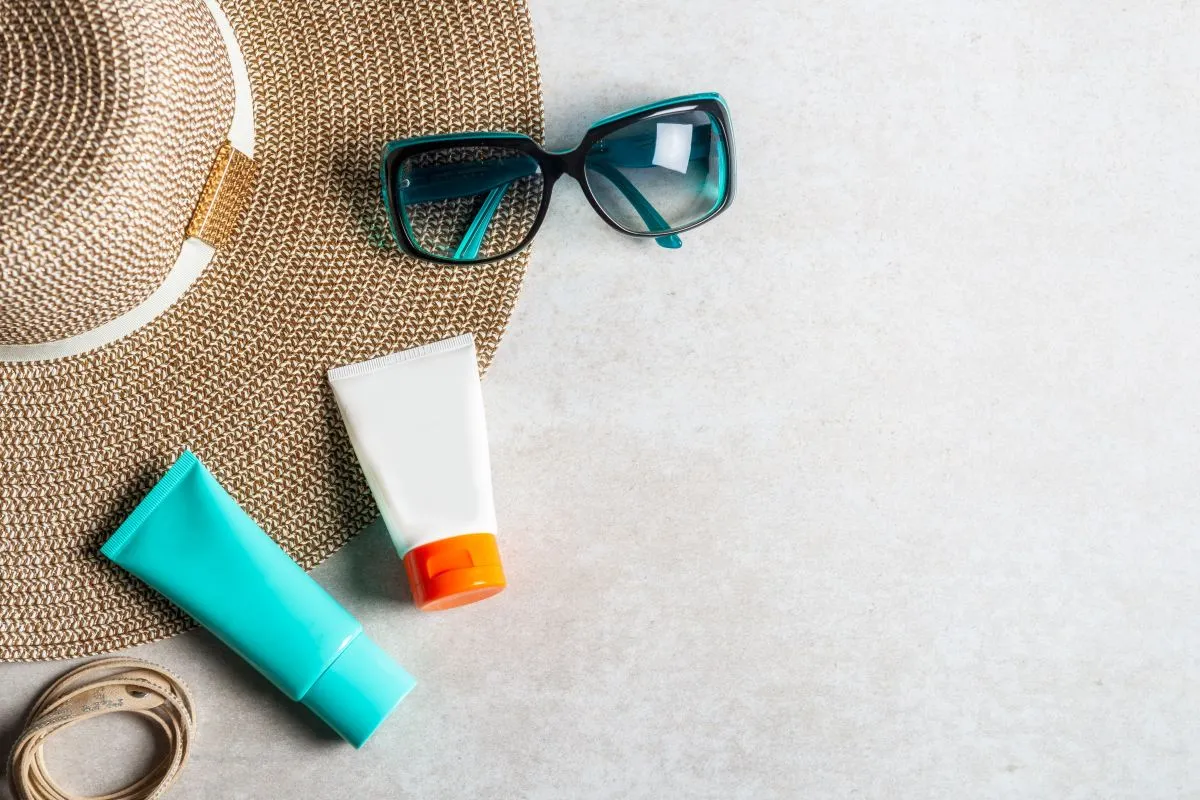
The TGA is developing reforms to improve sunscreen testing and oversight.
SPF scrutiny
The reforms follow concerns highlighted by Choice’s 2025 investigation and subsequent TGA reviews and investigations into sunscreen performance.
The investigations sparked industry-wide concerns about consumer safety and product reliability, prompting regulators to review industry standards. Choice, for example, tested 20 popular sunscreens in accredited laboratories. The results showed that 16 out of 20 did not meet their advertised SPF claims.
Of those tested, Ultra Violette’s Lean Screen SPF 50+ Mattifying Zinc sunscreen was named the worst-performing product in Choice’s testing, returning SPF values of four and five in two separate tests. The brand ultimately withdrew the sunscreen from shelves after multiple tests returned widely inconsistent results.
The TGA suggests that people in Australia use SPF 30 or higher to protect their skin from damage.
“In a country where two in three people will be diagnosed with skin cancer, people deserve to trust that the SPF ratings on sunscreen are accurate and reliable,” said Ashley de Silva, CEO of consumer advocacy group Choice.