

Target recalls baby wipes over bacterial contamination

Key takeaways
- Target is recalling Up & Up baby wipes due to harmful bacterial contamination, and consumers are urged to stop using the products immediately.
- Infants, young children, and immunocompromised people are most at risk of serious and potentially life-threatening infections.
- Target and Up & Up have previously received backlash for contaminated baby wipes.
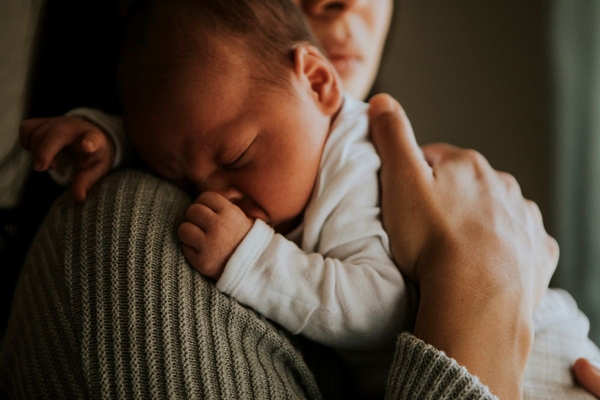
Target is recalling baby wipes due to potentially lethal bacterial contamination. The US Food and Drug Administration (FDA) testing on the Up & Up Fragrance Free and Up & Up Fresh Cucumber Scented Baby Wipes confirmed the presence of Burkholderia cepacia complex and Burkholderia gladioi.
These microbes can cause “serious or life-threatening infections” in infants, young children, and immunocompromised people, according to Target. The FDA testing followed customer complaints of eye and skin irritation, infections, and product discoloration.
The recalled wipes are primarily used on newborns, infants, and young children, who the company emphasizes are particularly susceptible to “opportunistic infection” — infections caused by pathogens that do not typically affect healthy individuals. This vulnerability stems from the immature or weakened immune systems of these individuals.
Target urges consumers to immediately stop using the recalled products, offering refunds when returned to one of the retailer’s stores. The company states that reports of irritation and infection are under investigation and that the recall is being conducted with the knowledge of the FDA.
Not Up & Up’s first rodeo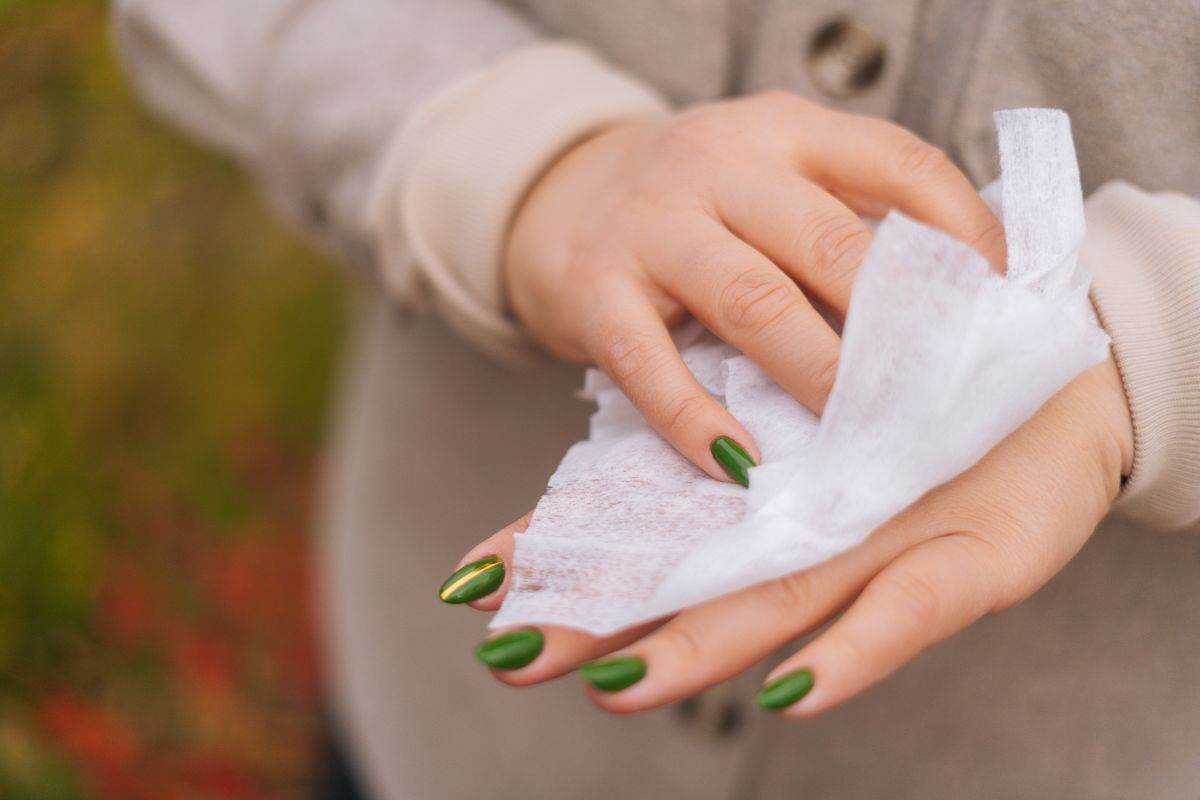
Up & Up wipes show contamination in multiple batches.
Neither Target nor Up & Up is a stranger to contaminated or defective baby wipes.
The wipes were manufactured by supplier Sapro Temizlik Ürünleri, a Turkish wet wipe distribution and manufacturing company. Sapro attributes 75% of its turnover to exports and reported being responsible for 65% of Turkey’s overall wet wipe exports in 2024. The company has been decorated as a top manufacturer in the private label wet wipe manufacturing segment by the Istanbul Chemicals and Chemical Products Exporters’ Association.
Despite this acclaim, the current recalls are not the first time Up & Up wipes have demonstrated contamination, causing concern in parents.
Reports of mold surfaced for the Up & Up Fragrance Free Baby Wipes on social media earlier this year. “After noticing some wipes showing brown spots on Up & Up baby wipes, I decided to Google it. To my horror, I found that these wipes have had issues since last year and are contaminated with mold. Multiple reports have been made, and Target hasn’t addressed it or added it to the recall list,” reads a Reddit post from two months ago.
Another parent posted on the thread said they have had issues with Up & Up wipes since early 2026 and that they were still finding mold in new packages in May.
“I am at Target right now dealing with this issue. Just opened a brand new package and they were brown, moldy, and smelled disgusting,” a third parent chimes in on the social media platform.
Similar discourse is echoed on Facebook, TikTok, and Instagram.
Target states that it is recalling the following products “out of an abundance of caution.”
Industry clean-ups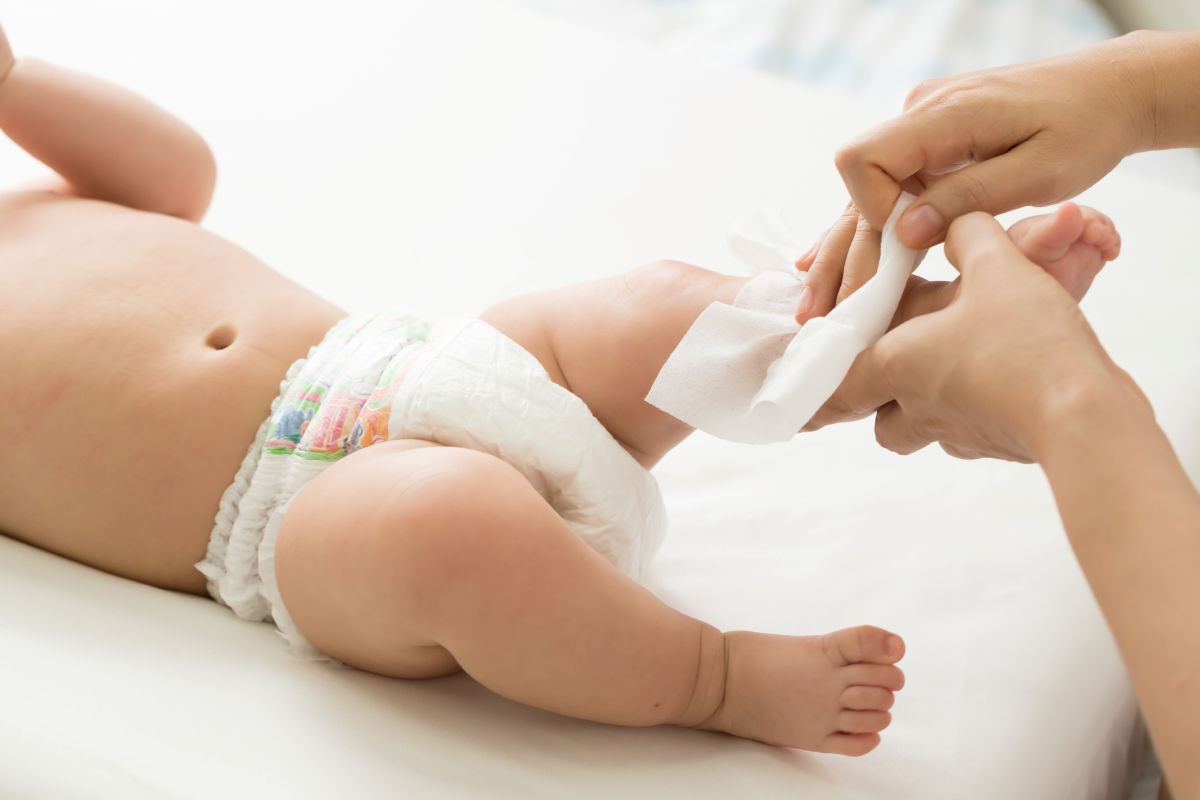
The US FDA confirms harmful bacteria in recalled wipes.
In addition to Target, other industry giants have made recalls due to contaminants, mix-ups, or failed regulatory compliance. These mishaps can jeopardize consumer trust.
With the rise of internet discourse culture, these recalls, or lawsuits, can gain traction among consumers or even resurface retroactively.
Lawsuits against L’Oréal’s CeraVe have drawn renewed public attention in recent weeks after a viral Instagram post referenced allegations that the brand’s products contain cancer-causing chemicals. While the lawsuits were framed as novel, they stem from independent laboratory testing first published by Valisure in 2024, which reported elevated benzene levels in some benzoyl peroxide acne products.
The independent testing laboratory filed a citizen petition with the FDA reporting that benzoyl peroxide can degrade into benzene, a known carcinogen; several class actions against L’Oréal followed within weeks. Subsequent FDA testing of 95 benzoyl peroxide products, released in March 2025, found that more than 90% had undetectable or very low benzene levels and identified six specific products (not including CeraVe) for voluntary retail-level recall.
The FDA stated that, even with daily use over decades, the cancer risk associated with the benzene levels it found is very low. The lawsuits remain ongoing, and the allegations have not been proven in court.
Last year, L’Oréal voluntarily recalled its Effaclar Duo acne treatment in the US due to concerns over benzene contamination. The known carcinogen was detected in one product batch. Effaclar Duo is part of L’Oréal’s La Roche-Posay brand and is formulated with benzoyl peroxide, an ingredient known to help clear acne by killing bacteria.
UK retailer TK Maxx recalled a fragrance that did not align with European Commission safety standards and may cause allergic reactions. The company urged consumers who purchased the product to stop using it immediately and return to any branch for a full refund.
The fragrance Byblos Blu Happy Hour Eau de Toilette contains hydroxyisohexyl 3-cyclohexene carboxyaldehyde, also known as HICC or Lyral. The EU Commission has prohibited the use of this synthetic ingredient in cosmetics due to its risk of causing allergic reactions.
Drunk Elephant also voluntarily recalled specific batches of its skin care products after it accidentally switched surfactants and preservatives and found two unlisted ingredients in the formulations. Much like Target and TK Maxx, the company urged customers to stop using the affected products immediately and return them for a refund or replacement, as the mix-up could cause skin reactions and infections.