

In-cosmetics Korea 2026: Vytrus Biotech introduces immune re-education active for urban skin


Key takeaways
- Vytrus Biotech launched Toleroxyl, a plant-derived active that re-educates hyperreactive urban skin to restore immune tolerance.
- The ingredient targets Langerhans cells via a GM-CSF mechanism, keeping them in a calm, tolerance-supporting state.
- Clinical studies showed visible benefits, including reduced redness, erythema improvement, and relief from stinging, itching, and burning.

Vytrus Biotech has launched Toleroxyl, a plant-derived human protein that re-educates hyperreactive urban skin to restore immune tolerance, at In-cosmetics Korea 2026, Seoul, South Korea (July 1–3).
The Spanish biotechnology company says the ingredient introduces the concept of immune re-education in cosmetics. It reports that the cosmetics industry is entering a new era in sensitive skin care, where the goal is no longer only to soothe, calm, or mask visible reactivity, but to help the skin recover its own ability to tolerate daily stressors.
Toleroxyl helps hyperreactive urban skin restore tolerance, comfort, and visible resilience by targeting Langerhans cells, the immune decision-makers of the epidermis. The biotech active is designed to open a new cosmetic category: the tolerogen. A tolerogen is a molecule that induces immune tolerance, teaching the body to ignore a specific substance rather than attack it.
According to Vytrus Biotech, sensitive skin is one of today’s fastest-growing consumer concerns. Modern lifestyles, indoor environments, and continuous exposure to low-grade pollutants are contributing to redness, tightness, burning, stinging, and discomfort.
The company witnessed that many consumers describe skin that “overreacts to everything” or “never stays calm for long.” Vytrus believes this reflects a deeper biological challenge: the skin has not necessarily become weaker, but it may have lost its ability to distinguish harmless urban stressors from real threats.
Toleroxyl is said to propose a new cosmetic logic: train the skin, do not just silence it.
Satisfying sensitive skin
The new ingredient was developed through Vytrus’ biotechnology platforms. It is inspired by the skin’s own biological signals and targets Langerhans cells. These cells play a central role in determining whether the skin responds with inflammation or tolerance.
Toleroxyl works through a mechanism based on GM-CSF, a human protein involved in the differentiation, survival, and functional programming of Langerhans cells. By binding to GM-CSF receptors on Langerhans cells, the active helps keep them in a calm, tolerance-supporting state.
Calmed Langerhans cells promote the release of TGF-β, helping reduce inflammatory signals such as TNF-α, IL-8, and IL-6, and supporting a healthier, non-inflamed skin environment.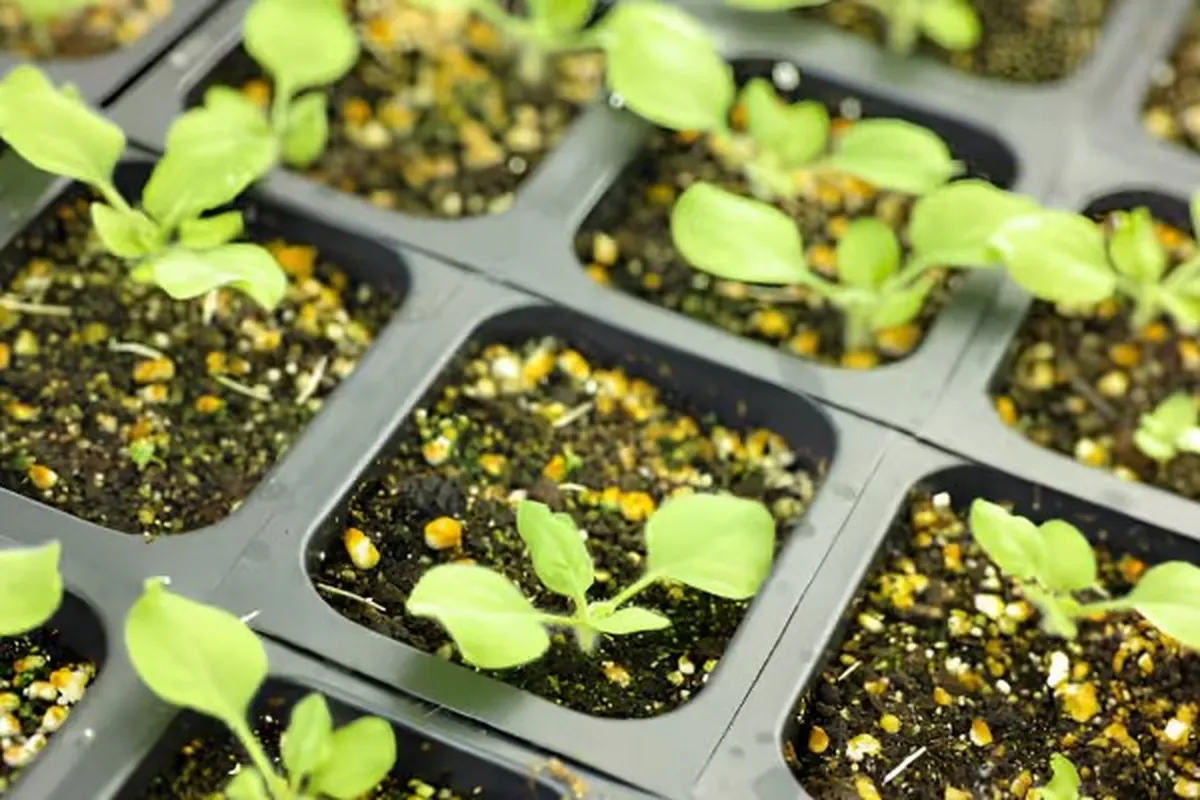 At the core of its mechanism is GM-CSF, a human protein naturally involved in the functional programming of Langerhans cells.
In vitro studies have shown that Toleroxyl activates key tolerogenic pathways by restoring RELB and SOX4, while helping normalize immunogenic markers such as CCR7, CD80, and CD86. It also reinforces the skin barrier by supporting structural markers, including Filaggrin, Loricrin, and Claudin-4.
Clinical studies in volunteers with hyperreactive skin demonstrated visible benefits, including redness reduction, erythema improvement, and relief from discomfort-related signs such as stinging, itching, burning, and tightness. In vivo cytokine regulation also showed a reduction of pro-inflammatory markers in volunteers with hyperreactive skin (IL-8, TNF-α, and IL-6).
For cosmetic formulators, Toleroxyl is said to open new opportunities in tolerance-training skin care, anti-redness serums, anti-pollution daily care, barrier-support routines, and recovery products for overstimulated urban skin.
Cosmetic ingredient innovation
Also targeting stressed skin from urban environments, Ingredients + Specialties from Univar Solutions previously told us about its Inmotion concept at In-cosmetics Global 2026.
The concept was designed to meet the fast-paced needs of urban consumers. We explored what makes a truly multifunctional product in today’s beauty routines with Lise-Laure Dunoyer Morali, lab and technical manager, BPC EMEA Ingredients + Specialties from Univar Solutions.
Going back to the current trade show, BASF debuted its hydrophilic active delivery technology, Emulgade Verde PE, at the ongoing In-cosmetics Korea 2026.
Emulgade Verde PE is designed to simplify the delivery of hydrophilic actives without increasing formulation complexity, while maintaining product performance and efficiency. The ready-to-use drop-in solution is said to be applicable in a range of formulations and aligns with sustainability claims as it is readily biodegradable.