



Olay on the rise of at-home procedure-inspired skin care
The brand is seeing a cultural shift in expectation, whereby patients no longer view skin care and procedures as separate categories, but rather as a continuum of options

Key takeaways
- Olay’s collaboration with dermatologists and plastic surgeons is redefining the future of accessible, science-backed skin care.
- From neck lifts to wrinkle correction, Olay’s Regenerist Treatments offer surgeon-approved solutions for a youthful appearance.
- Peptides and retinoids power Olay’s Regenerist range, mimicking clinic-level results for improved long-term skin health.
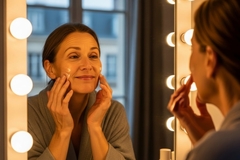
Olay’s latest Regenerist Treatments range is inspired by some of the most sought-after cosmetic procedures and formulated with professional-grade ingredients to help repair the most common signs of aging — without the downtime or expense of a cosmetic procedure.
The rollout builds on Olay’s position in tackling cellular aging. Backed by over 1,000 clinical and consumer studies, including over 50 years of peptide research, the Regenerist Treatments were designed to help skin behave more like that of “exceptional agers” by supporting cellular bonds and visible repair at the skin’s surface.
The brand’s four non-invasive treatments are plastic-surgeon and dermatologist-approved.
The Face & Neck Lifting Treatment is a daily treatment featuring a cooling massage roller, formulated with Pro-NAD+ (niacinamide) and OLAY’s Hexa-Repair Peptide Complex to visibly firm, lift, and contour skin while reducing puffiness. Almost all (96%) of women who used the product in clinical trials reported visible improvement within 2 weeks.
The Eye Wrinkle Correcting Treatment is a daily eye treatment featuring a cooling metal applicator, formulated with bakuchiol, a naturally derived retinol alternative, and the Hexa‑Repair Peptide Complex to visibly reduce expression lines and deep‑set wrinkles while smoothing and brightening the eye area. According to 98% of women using the product, visible improvement was seen after just one use.
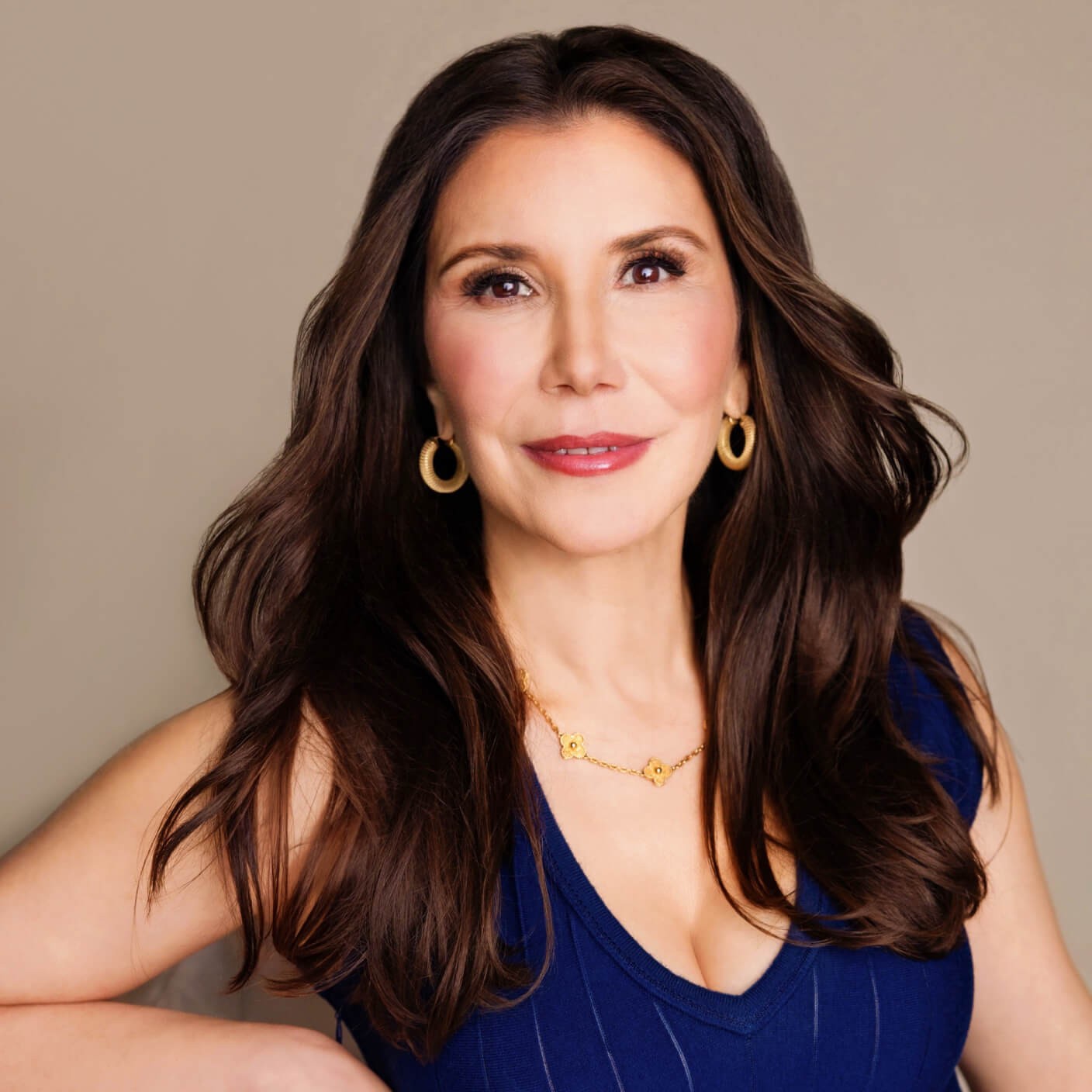 Plastic surgeon Dr. Jennier Levine explains the science behind Olay’s latest anti-aging products.The Wrinkle Correcting Treatment Serum is a nightly treatment formulated with Pro‑Retinol, a stable retinoid complex, and the Hexa‑Repair Peptide Complex to help visibly repair stubborn forehead and mouth wrinkles while deeply hydrating for smoother, plumper skin. Notably, 97% of women saw visible results in two weeks.
The Resurfacing Peel Night Treatment is an overnight AHA peel formulated with lactic acid and the Hexa‑Repair Peptide Complex to gently exfoliate, visibly improve texture, and reduce the appearance of dark spots for brighter, more even‑looking skin. Another 98% of women saw visible results after eight weeks.
“As a plastic surgeon, I know many patients want non-invasive options to maintain healthy, glowing skin,” says double board-certified facial plastic surgeon Dr. Jennifer Levine. “The new Olay Regenerist Treatments offer exactly that — effective, science-backed skin care to complement or extend results before or between procedures — with no downtime.”
Personal Care Insights speaks with Levine for a deeper dive into the science behind how these formulas work as non-invasive alternatives to cosmetic procedures.
What’s driving this home-based procedure-like approach, and how has demand changed over the years?
Levine: In my practice, I’ve witnessed a cultural shift in which patients no longer view skin care and procedures as separate categories but rather as a continuum of options. Five years ago, patients came to me when they were ready to ‘fix’ something, but now they’re asking about preventative treatments in their 20s and 30s. This is largely because social media has made skin care science far more digestible, and consumers today are exposed to ingredient education that wasn’t nearly as accessible before.
How close can topical, non-invasive treatments realistically come to in-clinic procedures?
Levine: Although topical treatments cannot replicate what we achieve with a needle or a laser, today’s advanced formulations can meaningfully improve skin texture, fine lines, volume loss, and radiance to complement procedural results. I tell my patients to set expectations around improvement and prevention rather than transformation, and you’ll be pleased with what well-formulated products can deliver.
Which procedures and treatments are most influential in today’s skin care innovation, and why?
Levine: The procedures shaping skin care innovation right now are the ones that deliver noticeable results while still looking natural. Chemical peels are a major influence, with brands formulating acid complexes that aim to recreate that resurfaced, glowing skin without downtime.
Microneedling has inspired a wave of products focused on collagen stimulation and barrier repair. Undereye treatments are also trending, as consumers increasingly want to address hollowness, dark circles, and fine lines.
Eventually, we’re even seeing formulations inspired by surgical procedures like facelifts, neck lifts, and blepharoplasty, with ingredients designed to firm and tighten the jawline, neck, and eye area. The common thread is that these procedures enhance natural features rather than alter them, and those are the results patients want to achieve at home.
Do you see at-home, procedure-inspired skin care as a gateway to clinical treatments or as a genuine long-term alternative?
Levine: The key is meeting people where they are without judgment. For some patients, using medical-grade at-home products builds their comfort and understanding of active ingredients, and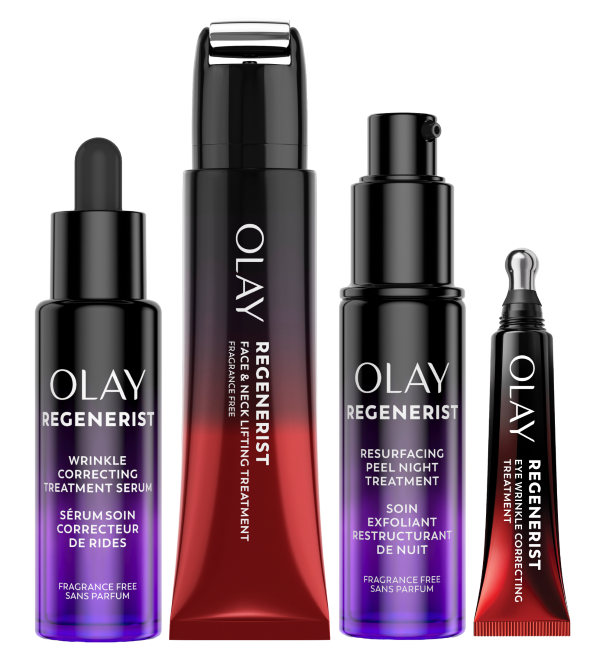 The Regenerist Treatments have been designed to help skin behave more like that of “exceptional agers.” eventually, they want to level up to what we offer in-clinic. But there’s also a significant population that doesn’t want needles or downtime, and for them, an effective topical regimen can maintain healthy, attractive skin for decades.
How are advances in ingredients enabling brands like Olay to mimic clinical outcomes more convincingly than before?
Levine: The level of precision we’re seeing in today’s skin care development is truly impressive, and Olay has built a reputation for translating this kind of advanced science into accessible products. The Hexa-Repair Peptid Complex in the new Regenerist Treatments is a perfect example, combining Triple Collagen Peptide and Argireline Peptide to address wrinkles and volume loss simultaneously. They’re also incorporating ingredients like nakuchiol, a gentler alternative to retinol, and Pro NAD+ to support cellular energy and skin vitality. These innovations raise the bar for what patients can achieve at home.
I believe we’re experiencing a fundamental shift in how people relate to their skin, which represents more than a passing moment. What’s really driving this is a broader shift in how people think about agency over their own appearance, and it transcends any single platform or price point.
How large could the non-invasive, procedure-inspired skin care market become — and which consumer groups are likely to fuel its growth?
Levine: This market has significant room to grow, and I would not be surprised to see it become one of the dominant categories in beauty. The core driver right now is women aged 35 to 50 who want to avoid or extend the effects of clinical procedures. Gen Z and younger millennials are also building skin care habits earlier than previous generations and prioritizing lifelong self-care. Men are another emerging group seeking minimalist, results-oriented routines.
Where is this convergence of dermatology, plastic surgery, and skin care going next — and how should brands communicate responsibly without overpromising?
Levine: The future lies in brands like Olay that bridge dermatology, plastic surgery, and consumer skin care insights rather than just borrowing language from each. As this space evolves, I expect to see even more personalization and ingredient innovation inspired by clinical research. The brands that will earn long-term trust are those that invest in real data, use language like ‘inspired by’ rather than ‘equivalent to,’ and educate consumers rather than overpromise. Olay has built that credibility over decades, which is why they’re positioned to lead this next chapter.