




Glow from the tin: Sardines become TikTok’s latest “beauty food” trend
Edible skin care is resonating with consumers because it makes skin care “less complicated.”

Key takeaways
- Sardines are trending as a “beauty food” due to their omega-3s, protein, and antioxidants, which can support healthy-looking skin, hair, and nails.
- Industry expert cautions that sardines are not a quick-fix for skin care, and their potential benefits depend on incorporating them into a balanced diet.
- The trend reflects the convergence of beauty, nutrition, and wellness, with marine ingredients and fermented foods poised for greater attention.

The merging of food and beauty continues to make waves across skin care, and this time, the latest food swimming into the spotlight is sardines. According to Fresha, a beauty and wellness booking platform, consuming sardines for skin care is trending on TikTok, with creators claiming the fish is the “best skin care investment they’ve ever made.”
The move signals further interest in beauty-focused food, as consumers lean toward products that can be found in the pantry. These items, including sardines, are being positioned as nutrition-based alternatives to complicated routines and premium skin care.
The viral trend also points to broader category convergence, as foods, nutricosmetics, and topical products increasingly feature ingredients that appeal to specific skin benefits.
Personal Care Insights speaks with Annabelle Taurua, beauty expert at Fresha, who analyzes what is coming next as food and beauty convergence heats up.
“All in all, I believe an overall balanced diet is what this trend is leaning into, and sardines have been added to the list of ‘beauty foods’ to try,” she says.
Alongside the rising popularity of sardines, fermented foods could potentially be the next big “gut-skin” foods, Taurua predicts. She adds that “consumers are increasingly becoming more familiar with the gut microbiome and its connection to skin health.”
Taking skin care back to basics
Taurua believes that the habit of “eating skin care” resonates with consumers because it’s a way of making skin care less complicated.
“Intertwining skin care into the diet rather than applying it topically makes it seem less stressful and more like an everyday lifestyle choice. There’s a growing shift toward the idea that beauty and healthy-looking skin start from within, meaning less need for countless costly serums, lotions, and treatments.”
Taurua also argues that “food-first beauty” makes consumers question whether they need several different products for a multiple-step beauty routine, rather than being a threat to nutricosmetics or the skin care market as a whole. “For example, if an inexpensive food such as tinned sardines contains
Sardines are a good source of protein, which provides the amino acids essential for collagen and skin elasticity.
essential omega-3s and other vitamins, there may be less need to seek these ingredients in your skin care products or expensive supplements.”“The sardine skin care trend sits right at the center of the wider convergence of beauty, nutrition, and wellness. Beauty-from-within trends such as this one blur the boundary between ‘looking healthy’ and ‘being healthy.’ Consumers increasingly view healthy skin as part of overall well-being, rather than as something achieved through treatments, procedures, and topical products alone,” she says.
For Taurua, viral food trends such as bananas for “foodified” skin care and TikTok’s sardine skin care trend could encourage consumers to take their skin care routine back to the basics, especially as many become more skeptical about complicated and costly supplement routines.
She says that whole foods are “available to everyone and far more affordable, so why not seek nutritious foods that may also support skin health?”
Moreover, Taurua addresses how social media has completely changed how consumers discover beauty ingredients. “Before social media, consumers would learn from a television ad, an expert like their dermatologist, a product label, or from someone working at the beauty counter. Now, consumers see something on TikTok or Instagram that simply explains why a food might benefit their skin, and they go search for it.”
This new avenue means food like sardines can go from an everyday grocery item to a “beauty food” overnight — especially if a popular influencer picks it up. Social media has almost become a research tool for beauty, she explains.
But there are risks that could come into play, Taurua warns. “Trends like sardine skin care can become an exaggerated beauty promise once it goes viral on social media. Brands and experts need to be clear that good nutrition can support healthy skin, but it is not a shortcut to clearer, younger-looking, or more hydrated skin,” she says.
Nutrition-powered beauty
Fresha reports that social media users following the trend are eating four to five tins of sardines a week. They claim that the affordable tinned fish has helped their skin to look healthier, more hydrated, and noticeably glowier.
Sardines are packed with nutrients that support skin health from the inside out, says Taurua. “Their biggest benefit comes from their omega-3 fatty acid content, which helps maintain the skin’s natural barrier, keeping it hydrated, which gives us a smoother, more glowing appearance.”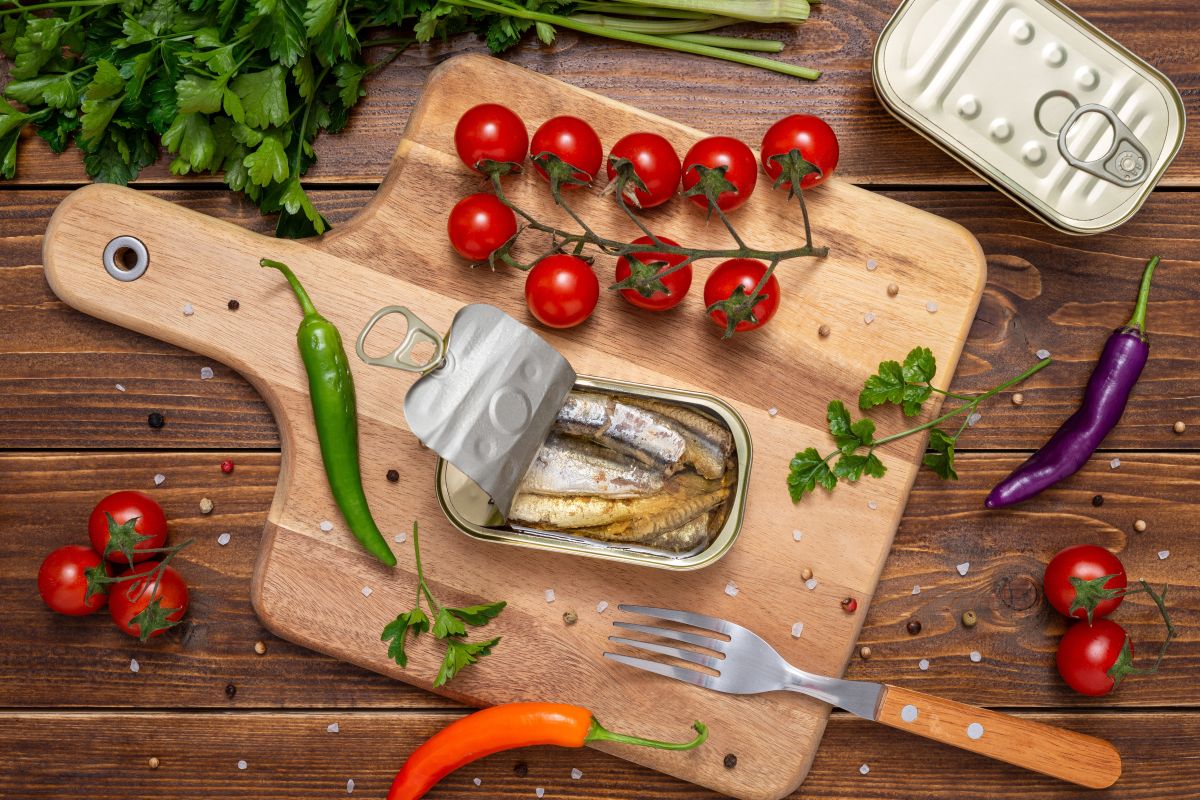
TikTok trends can rapidly transform an ordinary food into a beauty ingredient.
The small fish are also demonstrating benefits for hair, as hair is almost completely made up of protein — getting high-quality protein from sardines aids healthy growth. When combined with omega-3 fatty acids and antioxidants, users are seeing benefits from a nourished scalp that supports strong and healthy hair.
Sardines’ benefits also translate to nails. Essential nutrients found in sardines, such as protein and antioxidants, can help support healthy nail growth, reducing brittleness. ”The omega-3 fatty acids should also help reduce dryness, contributing to stronger, healthier-looking nails,” Taurua explains.
Omega-3s have anti-inflammatory properties that can help soothe redness for those with skin conditions such as acne. Omega-3s help regulate inflammation and support normal skin barrier function. Human studies of omega-3-rich oils suggest that supplementation may influence skin hydration and barrier function.
“We know that sardines are an excellent source of protein, which provides the amino acids essential for collagen and skin elasticity. And while eating sardines won’t replace collagen that’s already lost, enough protein will aid your body’s natural collagen production,” says Taurua.
Sardines also contain antioxidants such as vitamin D, selenium, and coenzyme Q10 (CoQ10). These help protect the skin from oxidative damage caused by environmental factors, such as pollution and UV exposure from the sun, supporting healthier-looking skin.
What’s coming next in skin care?
Taurua predicts that marine ingredients could gain more ground in cosmetics, as the sardine skin care trend fuels consumer awareness of marine-derived nutrients and the idea that ocean-derived ingredients can support overall skin health.
“We’ve already seen it take off in supplements, for example, marine collagen and omega-3, but I now feel skin care brands could easily start communicating marine beauty more.”
Taurua also expects that the next social media-driven beauty food will be “one that already has a strong nutritional reputation and is sitting in everyone’s kitchen cupboard.”
“We’ve already seen bananas, strawberries, honey, and oats mentioned in skin care conversations, and sardines are an interesting first step into the animal/fish category.”
She says fermented foods — such as kefir and kimchi — could be “the next big gut-skin foods, as consumers are increasingly becoming more familiar with the gut microbiome and its connection to skin health. An unbalanced gut microbiome can trigger inflammation and worsen skin conditions like acne and eczema.”
“Ultimately, social media will give different types of food a new beauty narrative,” Taurua concludes.