



Baralan upgrades cosmetic glass packaging ahead of EU regulations


Key takeaways
- Baralan upgrades its glass airless technology with DEA 2.0 container, focusing on consumer demand for responsible cosmetic packaging.
- The new design features a soda-lime glass barrel, ensuring recyclability and premium performance.
- DEA 2.0 is designed to meet the EU’s PPWR requirements, supporting brands in adapting to upcoming regulatory changes.
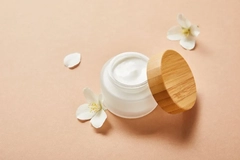
Baralan, an Italy-based primary packaging designer for cosmetics, has enhanced its glass airless technology with the DEA 2.0 container, driven by increasing consumer demand for “responsible” solutions.
Baralan’s glass airless technology aims to ensure precise and consistent dispensing, protecting the formula from air and potential contamination, and maintaining a clean, premium appearance throughout the entire lifecycle of the product.
“The choice of soda-lime glass reflects Baralan’s commitment to developing circular solutions capable of reducing environmental impact without compromising premium performance and aesthetic elegance,” says the personal care packaging manufacturer.
The solution features a soda-lime glass barrel, a type of glass that ensures high performance and compatibility with cosmetic formulas, says Baralan. It is also compatible with all recycling streams, while conventional borosilicate requires specific recycling streams.
DEA 2.0 is available in 15 mL and 30 mL sizes, and has several cream and spray pump options to meet the needs of different formulations.
Moreover, optimized components and a lighter structure enhance production efficiency and reduce material usage, “further strengthening the sustainability profile of the line.”
Getting regulation ready
Baralan explains that the upgrade aims to further strengthen its commitment to customers amid the EU’s upcoming Packaging and Packaging Waste Regulation (PPWR).
“The company is proactively working to anticipate regulatory requirements, translating them into concrete product developments. The upgraded version, DEA 2.0, represents one of many tangible examples of Baralan’s determination to support its clients in navigating regulatory change through innovative, disruptive, and increasingly sustainable solutions.”
The PPWR is expected to fundamentally change how products — including cosmetics and beauty products — can be imported and sold in the EU.
“Companies that fail to adapt risk losing market access, product delistings, and significant penalties,” Ferry Vermeulen, CEO and co-founder of 24Hour AR, told Personal Care Insights.
A major game-changer is that by 2027, cosmetic brands must adopt refillable packaging systems and embrace a “circular asset” model. This move signals a fundamental shift, forcing companies to rethink their approach entirely.