



BASF confirms Evonik takeover talks as initial offer reportedly falls flat


Key takeaways
- BASF has confirmed exploratory talks with Evonik and its largest shareholder, RAG-Stiftung, over a potential takeover.
- Evonik has reportedly rejected an initial proposal.
- A deal would unite two major personal care ingredient suppliers.
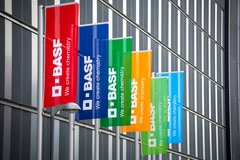
BASF has confirmed talks over a potential takeover of its specialty chemicals competitor Evonik. The move could reshape Europe’s cosmetic ingredients supply base, consolidating two of the region’s largest suppliers of skin care actives, emollients, and surfactants.
However, Evonik has reportedly already turned down BASF’s first proposal as too low. The German chemical giant offered about €22.15 (US$25.16) per share, valuing Evonik’s equity at roughly €10.3 billion (US$11.7 billion). The Financial Times (FT) called the nearly 29% premium to Evonik’s share price “sizeable.”
It can be postulated that BASF’s shareholders are not aligned with the prospective deal, as its shares fell 3.6% after the news of the potential tie-up broke last Friday.
BASF says the exploratory talks with RAG-Stiftung and Evonik over a potential takeover remain open at this stage and will not comment on price. RAG-Stiftung holds about 44% of Evonik’s equity, therefore no full integration can happen without the German private-law foundation’s approval.
BASF adds that it continuously evaluates acquisitions that strengthen its core businesses, deliver strategic fit, drive profitable growth, and create value. It has reportedly been exploring a deal with advisers for several months, says the FT.
Evonik has confirmed that BASF made a nonbinding approach concerning a possible voluntary public takeover offer for all of its shares. An Evonik spokesperson told Personal Care Insights’ sister publication, Packaging Insights, that the company will not comment on the potential deal beyond its legal obligations.
Evonik holds out
The offer BASF made to Evonik was reportedly rejected because the valuation was insufficient to merit formal negotiations or grant due diligence access. The proposal valued Evonik at an enterprise value of roughly €14.2 billion (US$16.1 billion).
Evonik shares have risen nearly 10% since news of the approach broke, from €18.07 (US$20.53) at Thursday’s close to €19.84 (US$22.54) on Monday. BASF shares were little changed on Monday after falling 3.6% on Friday.
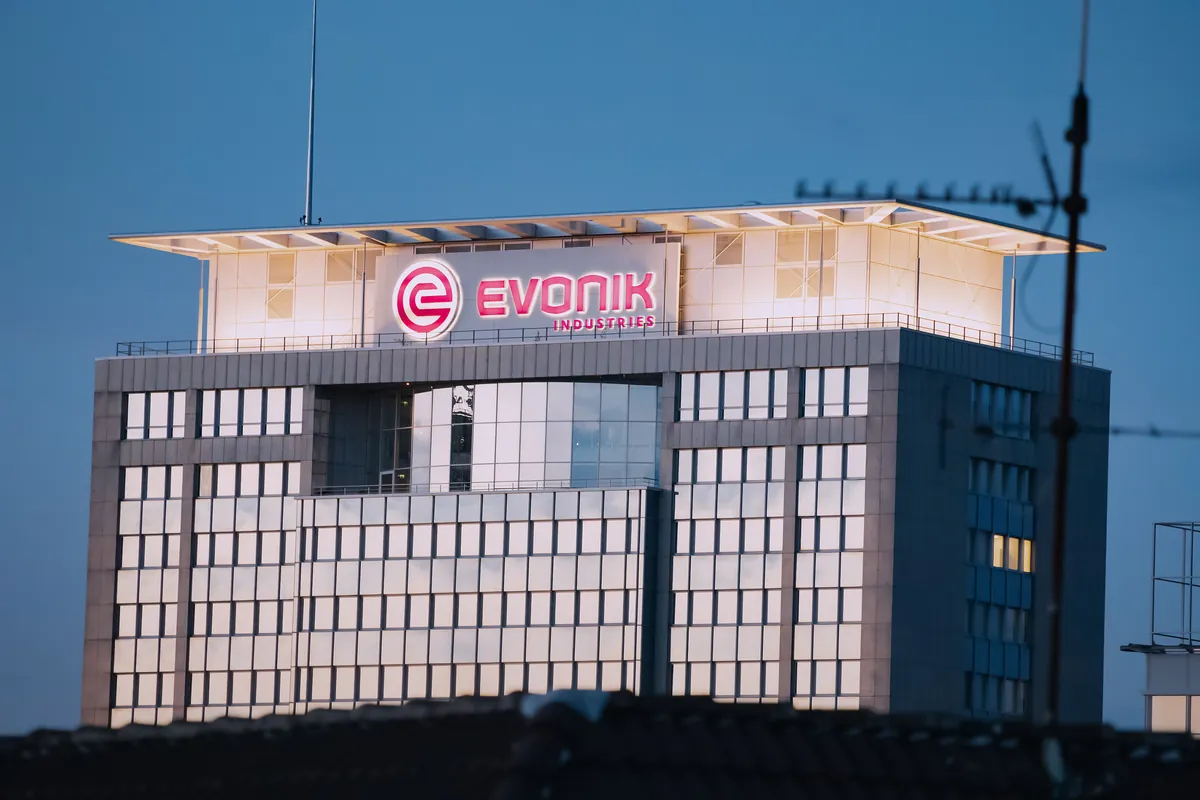 Evonik reportedly rejected BASF’s first proposal. Evonik is currently undergoing a cost-cutting and restructuring program.
In June this year, Evonik announced cutting 3,200 jobs globally between 2027 and 2029, as it expanded its cost-saving program that was initially set to conclude next year. The labor reductions came on top of approximately 2,800 positions that the company already announced would be axed from October 2023 through the end of 2026.
The moves are part of the company’s ongoing “Tailor Made” transformation. Evonik has stated that the measures are necessary to streamline its business operations and improve the company’s competitive position.
Higher-margin ambitions
BASF CEO Markus Kamieth told the FT the potential takeover aligns with broader efforts to streamline operations, reduce overhead, and reposition the company toward higher-margin markets.
Kamieth previously said that the global balance of industrial power is shifting to Asia. Exemplifying this, last year, BASF’s group revenue of €59.7 billion (US$68.9 billion) was almost the same as that of the chemicals segment of China’s Sinopec — revealing that BASF is at risk of losing its years-long rank as the world’s largest company by chemicals revenue to the Chinese state-owned oil and petrochemicals giant.
A BASF company source also told Reuters that a takeover would strengthen customer-facing business and reduce dependency on the European market.
Personal care company convergence?
Evonik and BASF are significant ingredient suppliers in the beauty industry. The companies have an overlapping presence in skin care actives and sustainable formulation ingredients, often competing for the same customers.
A combination would bring two of the sector’s major upstream suppliers under one roof, potentially leaving cosmetic brands and formulators with fewer sourcing options for key ingredients. That overlap could also draw antitrust scrutiny.
Evonik’s care portfolio includes ceramides for skin barrier support and biodegradable biosurfactants. Earlier this year, the chemicals manufacturer partnered with Scottish green-tech company Celtic Renewables to produce sustainable ingredients for cosmetics formulations, made from by-products of the scotch whisky industry. The deal could reshape cosmetic ingredient supply.
Meanwhile, BASF recently pushed further into personal care with a duo of floral-derived active ingredients and opened a production plant in Düsseldorf, Germany, dedicated to specialty emollients for skin care and sun care products. The company said it invested a mid-double-digit million-euro amount in the project, marking its largest investment at the Düsseldorf site in a decade.
On the news of the takeover, Arne Rautenberg, head of equities at Union Investment, told Reuters there was a sound business case for a deal, adding that acquiring Evonik could strengthen BASF’s position in specialty chemicals and increase capacity utilization.
However, the overlap could also draw regulatory examinations. Ad Hoc News reports that Baader Europe has flagged potential antitrust concerns, particularly in personal care ingredients.
The German financial news and stock market portal also indicates that Deutsche Bank analysts estimate that the overlap spans roughly a third of BASF’s revenue and about two-thirds of Evonik’s business, pointing to savings in administration, procurement, and logistics.
None of the parties’ public statements has disclosed a purchase price, financing structure, transaction conditions, or timetable. BASF says it will inform the market without delay if and when regulatory requirements demand it.