


How beauty brands can turn fleeting trends into everyday essentials

Key takeaways
- Tsilkov Cosmetics tells us trend-driven beauty products need a lasting customer benefit to earn repeat purchases.
- Agreeing on claims, packaging, and the brief early helps keep launches on schedule.
- Hydration, skin barrier support, and easy routines are the trends most likely to last, according to the Bulgarian private label manufacturer.
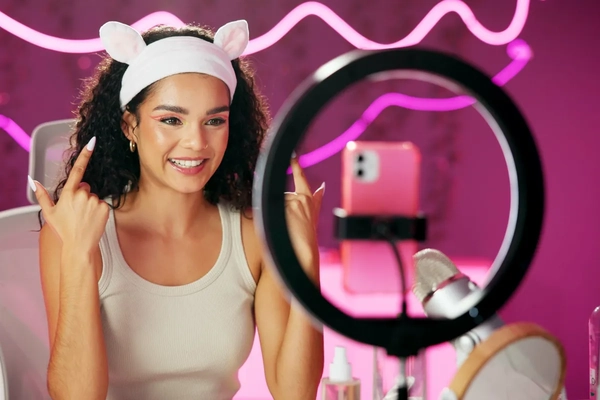
Beauty brands are under pressure to keep up with trends at a faster pace than ever, which means cosmetics labs must innovate on an accelerated timeline. However, formulation still rests on whether a trend has a shelf life outside of its initial buzz.
Personal Care Insights speaks with the development, production, and leadership team at Tsilkov Cosmetics, a private label skin care and hygiene manufacturer in Bulgaria, about how brands can turn trends into products with staying power.
The experts explain where marketing ambitions clash with formulation reality, how claims and packaging decisions can delay launches, and which trends are likely to last. They also offer practical guidance for brands planning a trend-led launch.
“A trend can help a product get noticed. For a lasting business, the product also needs to justify its place in the customer’s routine,” Kiril Tsilkov, co-owner of Tsilkov Cosmetics, tells us.
“The commercial assessment should extend beyond the launch. Development, testing, packaging, and manufacturing all require investment, and the product needs a realistic path to repeat orders.”
Outlasting the hype
When a brand comes to Tsilkov Cosmetics with a trend it wants to turn into a product, co-owner Tsilkov asks: “What do you want this product to do for the person buying it?” An ingredient name or a reference product only gives a starting point — this inquiry sets up the foundation to understand the customer, their routine, the benefit they expect, and the price they would be willing to pay.
“The point I would explore first is the everyday use experience. A brand may have a very clear idea of what should appear on the label, while the product itself is less clearly defined,” Tsilkov says.
He exemplifies that ‘a l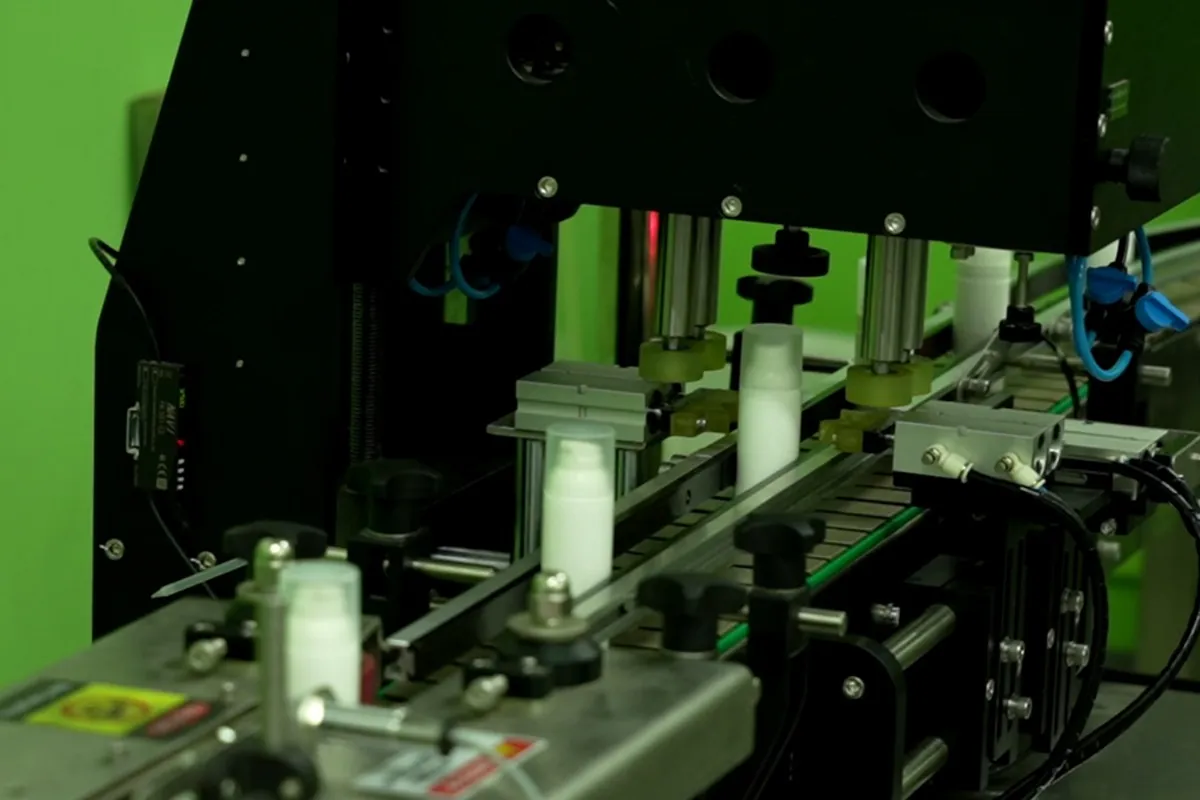 Packaging choices can affect launch timelines. ightweight moisturizer’ can mean several things. “Is the priority a fluid consistency, quick absorption, or a particular finish? Will it be used beneath make-up? Should it come from a pump or a jar?”
Those details can sound small during a marketing discussion, but Tsilkov argues they give the laboratory something concrete to develop. “The better we understand what the customer should experience, the more useful the first samples become.”
Bringing a product to fruition takes time. Therefore, by the time a trend-led cosmetic reaches the shelf, the buzz may have moved on. This leaves brands with the challenge of making sure a product is still relevant by the time it launches.
When helping brands decide which trends are worth developing and which are better left alone, Magdalena Tsilkova, general manager at Tsilkov Cosmetics, asks: “If people stopped talking about this trend tomorrow, would your customer still have a reason to buy the product?”
She says that question brings the discussion back to the customer’s needs. “Hydration, comfortable cleansing, and an enjoyable daily routine can remain relevant long after the language around them changes.”
Tsilkova adds that formulators need to consider whether the idea belongs in that particular brand’s range — “Who will buy it? What will it add? Can its benefit be explained clearly?”
Brand fit can be easy to overlook when a trend is gaining momentum. A product that follows the conversation but sits awkwardly in a brand’s lineup risks confusing customers about the brand’s ethos. Asking whether a trend suits the brand, as well as the market, helps ensure the investment in development builds something that lasts beyond a single launch.
Balancing the brief
Trend-based marketing ambitions can clash with formulation reality. Diana Nesheva, chief technologist at Tsilkov Cosmetics, says the difficulty of turning a trend-driven brief into a workable formula often lies in combining requirements.
“A brief might ask for a high level of a particular ingredient, a very light texture, no sticky after-feel, a short ingredient list, and a tightly controlled cost. We have to evaluate how those requirements work together… and the evidence relevant to the intended benefit,” explains Nesheva.
“Good development depends on explaining choices clearly. The brand should understand what it gains, what it compromises, and why.”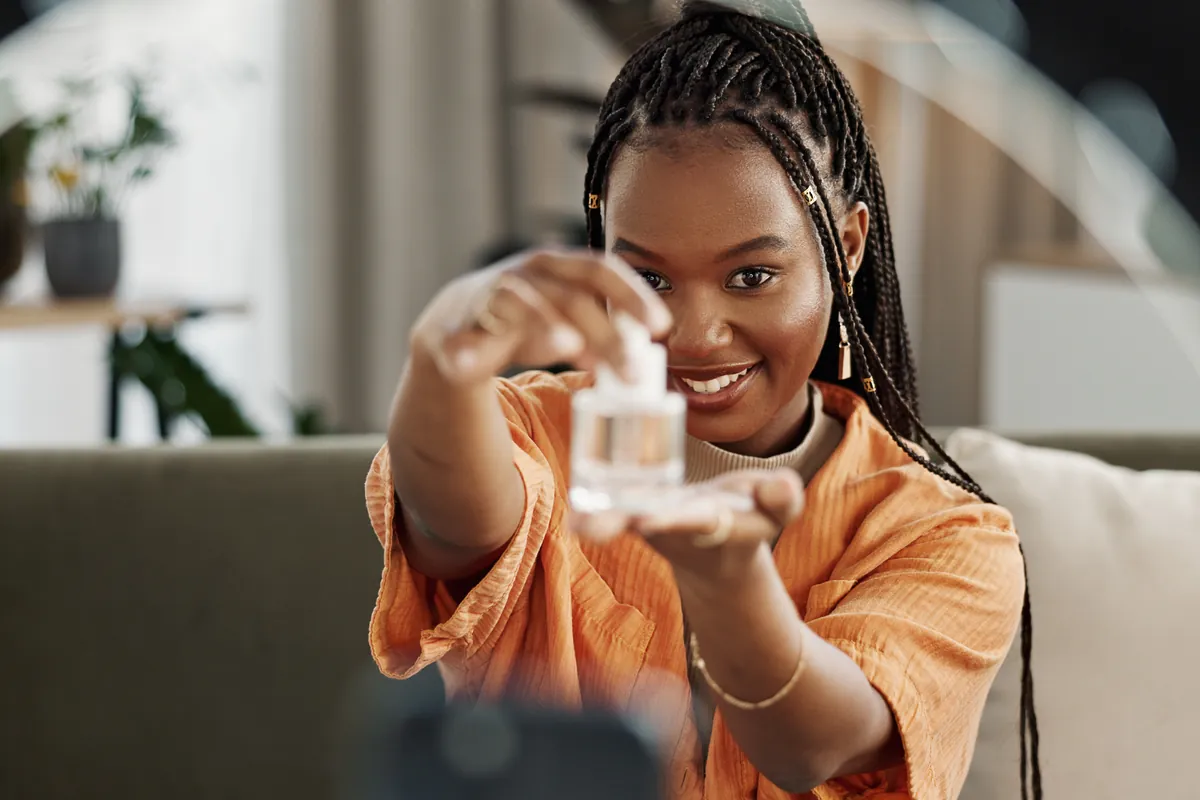 Texture shapes whether consumers keep using a product.
Clean label goals add another layer of complexity because the term is open to interpretation. Nesheva says “clean” needs formulation clarification.
“Which ingredients does the brand want to exclude? Is there a retailer standard or certification involved? What performance does the product still need to deliver?” she posits.
To resolve these trade-offs, Nesheva says samples help make the conversations practical. “Comparing two versions allows the brand to feel the consequences of a formulation choice. We can then discuss which characteristics are essential and where there is flexibility.”
Claim substantiation can also trip up trend-led launches. Nesheva says intended claims need to be discussed at the start of development, since they shape the evidence, time, and budget required for a project.
“Supplier research can be useful, but we still need to establish its relevance to the finished formula and the exact claim being made. Including an ingredient does not automatically establish every benefit associated with it,” she notes.
She adds that brands need to understand what sample approval means. “Approving the texture, appearance, and fragrance is a milestone. Stability, microbiological considerations, packaging compatibility, and claim support address further questions.”
Late changes are a common reason for schedules to slip. A different fragrance, ingredient level, or pack may require additional assessment and, depending on the change, repeat testing. “That is why early agreement on the brief matters so much,” says Nesheva.
Sample to shelf
From a production perspective, Evgeni Tsilkov, chief engineer at Tsilkov Cosmetics, tells us that packaging decisions need to be made early enough to assess the product and pack together.
“We need to establish how the formula behaves during filling, whether it can be dispensed as intended, and whether the closure works consistently. A pack can look suitable in a presentation while still leaving practical questions unanswered.”
The chief engineer recommends that a product creation schedule allow time to investigate and resolve issues and questions before the production date. “Discovering a problem during a trial gives the team options. Discovering it when the launch stock is urgently needed puts everyone under pressure,” he explains.
Overall, when turning trends into end products, co-owner Tsilkov encourages brands to involve their manufacturer while the idea is still flexible. 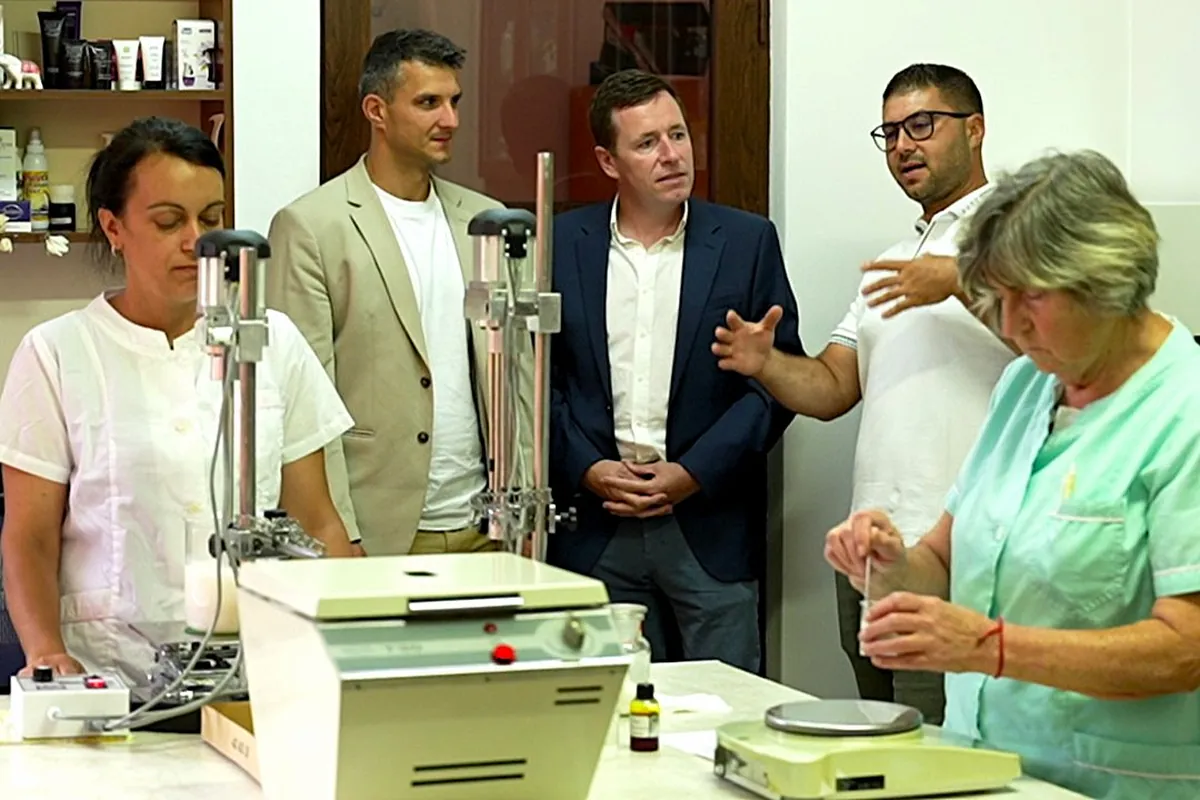 Hydration remains a lasting skin care need.
“Once the launch date, packaging, and marketing claims have all been fixed, there is less room to respond to what development reveals. Early conversations allow the brand, laboratory, and production team to work through those decisions together,” he says.
The company has development and manufacturing in one facility, which helps it consider the sample and what will be required to produce it consistently.
“The question I would leave brands with is: ‘Can we deliver this experience consistently, at a price that works, and give the customer a reason to return?’ That is a worthwhile test of any trend,” Tsilkov states.
Trends that last
Kuncho Tsilkov, innovations at Tsilkov Cosmetics, sees trends that are linked to a clear everyday benefit as the ones that last. He highlights comfortable cleansing, hydration, support for the skin barrier, and products that make a routine easier to follow.
“There is room for innovation in the experience itself. How a product spreads, how it feels afterward, and how conveniently it fits into someone’s day can all matter to whether they continue using it.”
He highlights multifunctional products as particularly interesting when the combination is useful, and the benefits can be supported.
“Adding more functions to a brief does not automatically make a better product. My test would be whether the idea remains useful once its novelty has worn off. An ingredient may attract attention, but the finished product needs to give people a reason to come back.”