


Allergan Aesthetics studies target “Ozempic face” with injectable treatments

Key takeaways
- Allergan Aesthetics reports improved facial appearance satisfaction among GLP-1 patients receiving injectable treatments.
- Two Phase 4 studies show improvements in skin quality, facial appearance, and patient confidence.
- Growing GLP-1 use is driving demand for aesthetic treatments targeting weight-loss-related facial aging.
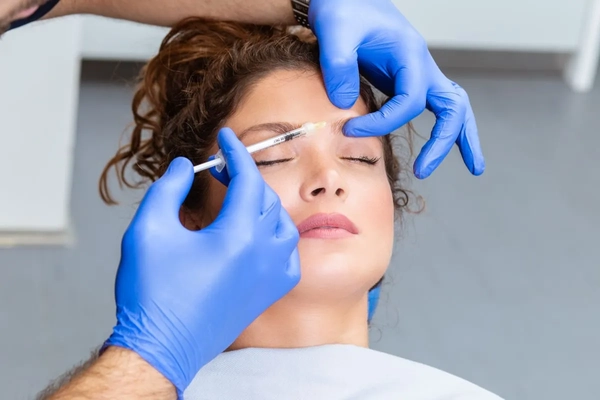
Allergan Aesthetics has found that weight-loss drug patients who use injectable aesthetic treatments experience increased satisfaction with their facial appearance, according to two Phase 4 studies. The studies, Harmony in Diversity and Halo, examined how injectables might address skin care concerns associated with GLP-1 use.
The findings show “statistically significant” indications that hyaluronic acid (HA) fillers, neurotoxins, and compatible skin care formulations can boost patients’ satisfaction with their facial appearance, skin quality, and perceived confidence.
The research arrives as the personal care industry is paying increased attention to consumers using GLP-1s by addressing skin aging concerns associated with the drugs. Rapid weight loss can cause premature facial aging — or Ozempic face — due to the sudden loss of subcutaneous fat and the plummet in skin-supporting hormones like collagen. As a result, the skin care industry is rushing to offer solutions to the sought-after niche.
“Patients on GLP-1 medications are navigating real changes in how their face looks, and those changes can affect their self-image and how they engage with others,” says Joely Kaufman-Janette, board-certified dermatologist, Skin Research Institute, and study investigator.
“Having data specific to this population gives us a clearer starting point for setting expectations and building a treatment plan that reflects what they’re experiencing.”
The AbbVie subsidiary presented its findings at the American Society for Dermatologic Surgery Annual Meeting 2026 (Nov 5–8) and said Harmony in Diversity is the first study to evaluate a neurotoxin combined with HA injectables in GLP-1 patients. Allergan states that interim results from Halo showed high patient satisfaction after HA injectable treatment.
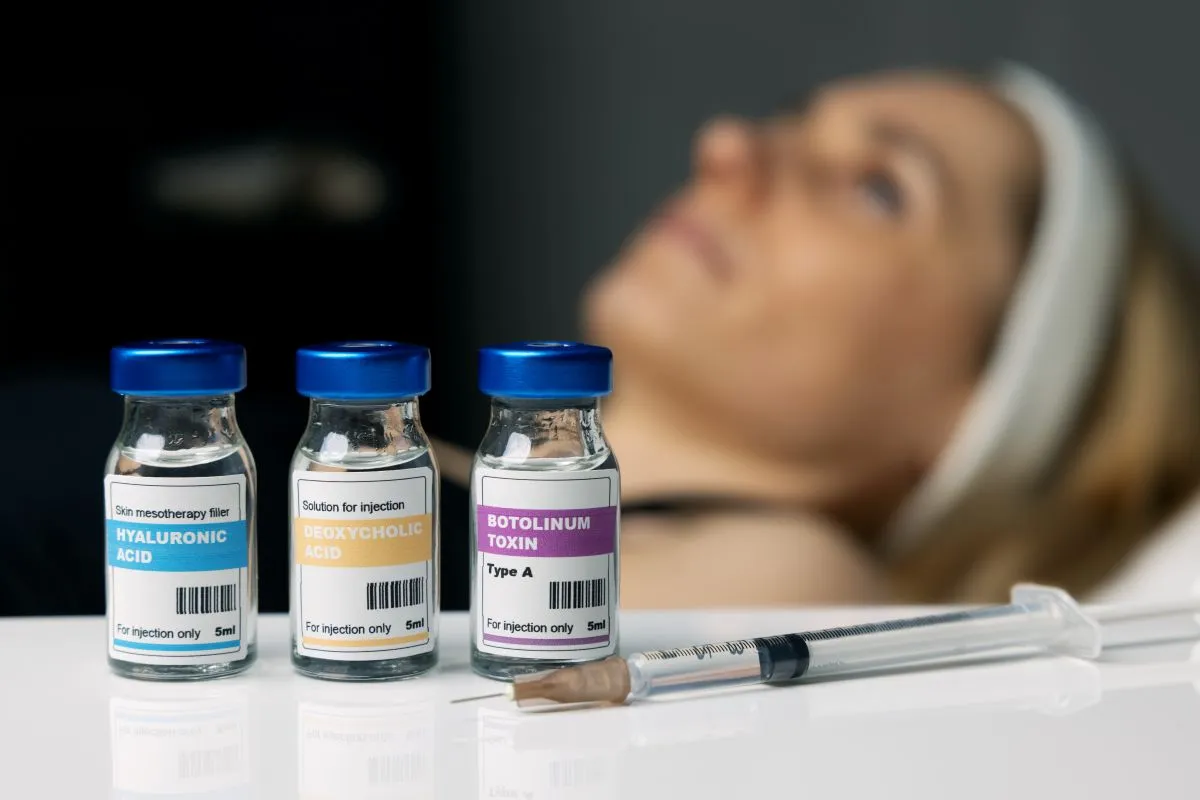
Allergan Aesthetics explores injectable treatments for GLP-1-related facial aging.
Improved self-reported satisfaction
The prospective, multicenter, open-label, single-arm Phase 4 studies examined adults on consistent doses of GLP-1 drugs who are undergoing aesthetic treatment.
Harmony in Diversity focused on combined aesthetic treatments and included 30 adults on GLP-1 medications who received HA fillers, onabotulinumtoxinA (Botox), and a specified skin care regimen. Subjects’ satisfaction with their facial appearance increased by 42.4 points on average and was measured 30 days after neurotoxin treatment.
Participants reported improvements in skin quality, psychological function, and social function. Most treatment-related adverse events were mild, nonserious, and resolved without intervention, according to Allergan.
Meanwhile, Halo focused on HA filler treatments and, in an interim analysis, evaluated 25 adults who received facial HA fillers while on weight-loss drugs.
The primary findings showed that, after three months, facial appearance satisfaction increased by an average of 39.6 points. Nearly 96% of subjects were satisfied that they “still looked like themselves.” Over 82% were satisfied with obtaining natural-looking results. The company reports that most treatment-related adverse events reported at the time of the interim analysis were mild and nonserious.
Using validated questionnaires including Face-Q and Skin-Q, both studies assessed patient-reported outcomes. The evaluations measure satisfaction on a scale of 0 to 100. The reported mean point improvements represent the average increase in scores versus pre-treatment patient satisfaction reports.
“Over time, [patients’] aesthetic concerns can change and may call for more than one treatment approach,” says Darin Messina, Ph.D., senior VP, head of aesthetics research and development at AbbVie.
“The breadth of the Allergan Aesthetics portfolio lets us study our products in combination to generate evidence that helps providers make informed decisions about their potential use together in practice.”
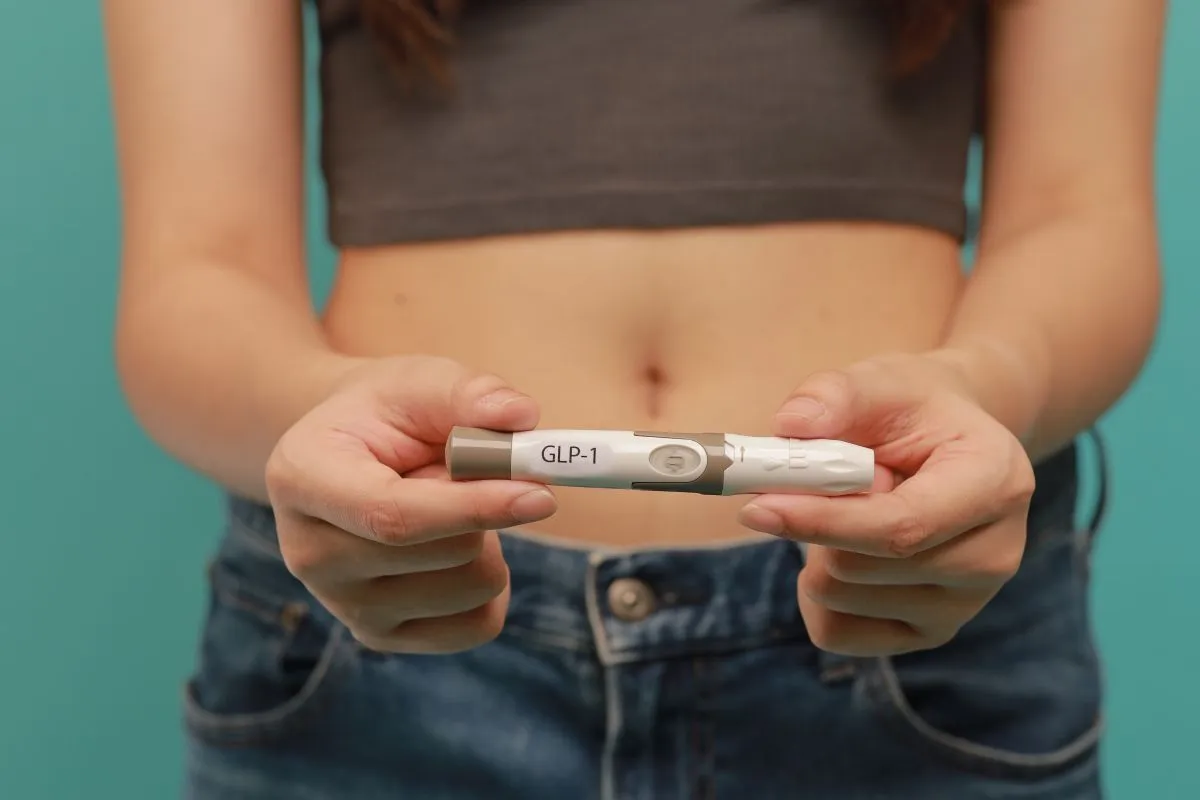
GLP-1 weight-loss drugs are creating new opportunities for aesthetic treatments.
GLP-1-facing beauty
The growing popularity of GLP-1 use continues to generate growth opportunities for the personal care industry.
Allergan’s research is aligned with a growing movement of “optimizer” consumers. These are consumers who combine various beauty methods to optimize skin results, such as injectable aesthetic treatments alongside weight-loss drugs.
Based on a survey of 5,000 US beauty consumers in April 2026, Boston Consulting Group and Women’s Wear Daily reported that this profile of shoppers represents 6% of US adults, approximately 15 million people, who spent an average of US$3,000 in the past year across various beauty categories.
Last week, Personal Care Insights dissected how GLP-1 use could be redirecting consumers’ pursuit of pleasure from food to gourmand fragrance. Teddy Haugen, perfumer, creative director, consultant, and founder of Teddy the Perfumer, told us how weight-loss drugs may be shifting where consumers seek sensory reward.
We also unpacked the rapidly expanding nutricosmetic space and its relationship to GLP-1-related nutritional deficiencies. A review published in Aesthetic Surgery Journal argued that rapid weight loss from GLP-1 medications pushes the skin into a state of breakdown and repair. However, patients with suppressed appetites consume less food, not meeting the necessary nutrients for skin repair.
“The paradox is that just when the skin may need nutritional support the most, the patient is often consuming substantially less,” said US-based oculoplastic surgeon Dr. Kami Parsa, co-author of the research.