




Plate to perfume: Are GLP-1s fueling the gourmand fragrance boom?

Key takeaways
- Fragrance houses Givaudan and IFF are studying how GLP-1 users respond to scent.
- Perfumer Teddy Haugen says GLP-1 users may seek pleasure in fragrance as food becomes less rewarding.
- Haugen sees GLP-1s accelerating, not creating, the gourmand fragrance trend.

GLP-1 is having a mounting influence on the food-based fragrance industry. Personal care players are researching how users of the drugs respond to scent and using the findings to shape new solutions.
Givaudan, IFF, and L’Oréal are all exploring the connection.
IFF’s research suggests GLP-1 therapies may increase interest in scent as a source of sensory pleasure. The company, one of the world’s largest flavor and fragrance houses, is already using these insights to select notes and develop fragrances designed to trigger emotional responses.
Givaudan has found an overall rise in interest in fragrance among GLP-1 users. The Swiss fragrance house is expanding its gourmand portfolio with scents that recreate layered cakes such as banoffee, panettone, and cupcakes.
Meanwhile, L’Oréal Paris global brand president Laetitia Toupet told Reuters that users compensate for the lost pleasure of food with other forms of enjoyment. On L’Oréal’s Q3 investor call last month, CEO Nicolas Hieronimus called GLP-1 use “a very important phenomenon” for beauty.
Personal Care Insights dissects how GLP-1 use could be redirecting consumers’ pursuit of pleasure from food to gourmand fragrance. We speak to Teddy Haugen, perfumer, creative director, consultant, and founder of Teddy the Perfumer, about how weight-loss drugs may be shifting where consumers seek sensory reward.
“The reason [the food-related scents trend] lasts is that gourmands have become an established fragrance category, not a passing flavor of the month. A family this broad, from sweet and savory desserts to naturalistic ingredient-driven scents, has room to evolve for decades — and modern perfumery keeps expanding what’s possible,” he tells us.
“Advances in extraction and new aromachemicals let perfumers capture edible notes with more realism, texture, and nuance than ever.”
Spending more on scent
Haugen cites data that suggests that GLP-1 users spend more than average across most categories. The rationale he puts forward is that the medications can be expensive, so users may skew higher-income. “That’s likely part of why they’re spending more on fragrance as well.”
However, Haugen believes there are two other reasons fragrance stands out among GLP-1 consumers: neurological and psychological. He puts forward a theory that the brain doesn’t give up on pleasure, and instead looks for it somewhere else.
“Seeking reward is one of our deepest drives, so if food becomes less rewarding, people may look for more of it through other senses. Smell becomes a natural outlet — it’s the sense most directly wired to the brain’s emotion and memory centers, and a fragrance delivers a small mood boost every day.” GLP-1 users may seek pleasure in scent.
Haugen notes that his idea has not been studied in GLP-1 users specifically.
The second reason he presents is psychological. “Many people on these medications are going through a visible change, and fragrance can become a way to mark a new chapter. Scent is closely tied to identity, and building a new fragrance wardrobe is a fun way to express it,” says Haugen.
GLP-1 changing scent preferences?
Haugen says that he has seen many people share their personal experiences with changes in how these consumers perceive or choose scents when using GLP-1 drugs on social media, but caveats that it “isn’t established.”
Paule Joseph, co-director of the National Smell and Taste Center at the US National Institutes of Health, has echoed this, saying a sensory effect from GLP-1 drugs is plausible. “[GLP-1 drugs having] a chemosensory effect is not a far-fetched idea,” she told Reuters.
Smell and appetite are closely linked, and the smell of food can act as a hunger cue. Therefore, Haugen theorizes that when GLP-1s turn down the appetite, gourmand notes may be enjoyed “for their own sake” rather than triggering a craving. “But that needs real research to confirm.”
It is easy to assume that people using appetite suppressants would turn to gourmand scents as an outlet, and that has been hypothesized among industry professionals. But Haugen says he would be careful about crediting GLP-1s for that category’s rise.
According to data he cites, gourmand and edible scents jumped from 9% to 24% of new fragrance launches in two years. “But some of that momentum was building before these drugs were as widespread as they are now,” he explains.
Additionally, people’s appetites and their relation to scent may also cut the other way. “Some people report that certain food smells become less appealing on these medications, so for some people the shift could mean less interest in edible scents, not more,” adds Haugen.
Accelerating, not creating
Haugen believes gourmands are here to stay, and not just because of GLP-1s. He explains that the demand was building before the drugs went mainstream, driven by social media, younger buyers, and the rise of fragrance collecting.
“My own theory is that GLP-1 use may be one factor, but there’s also a bigger feedback loop at work.” 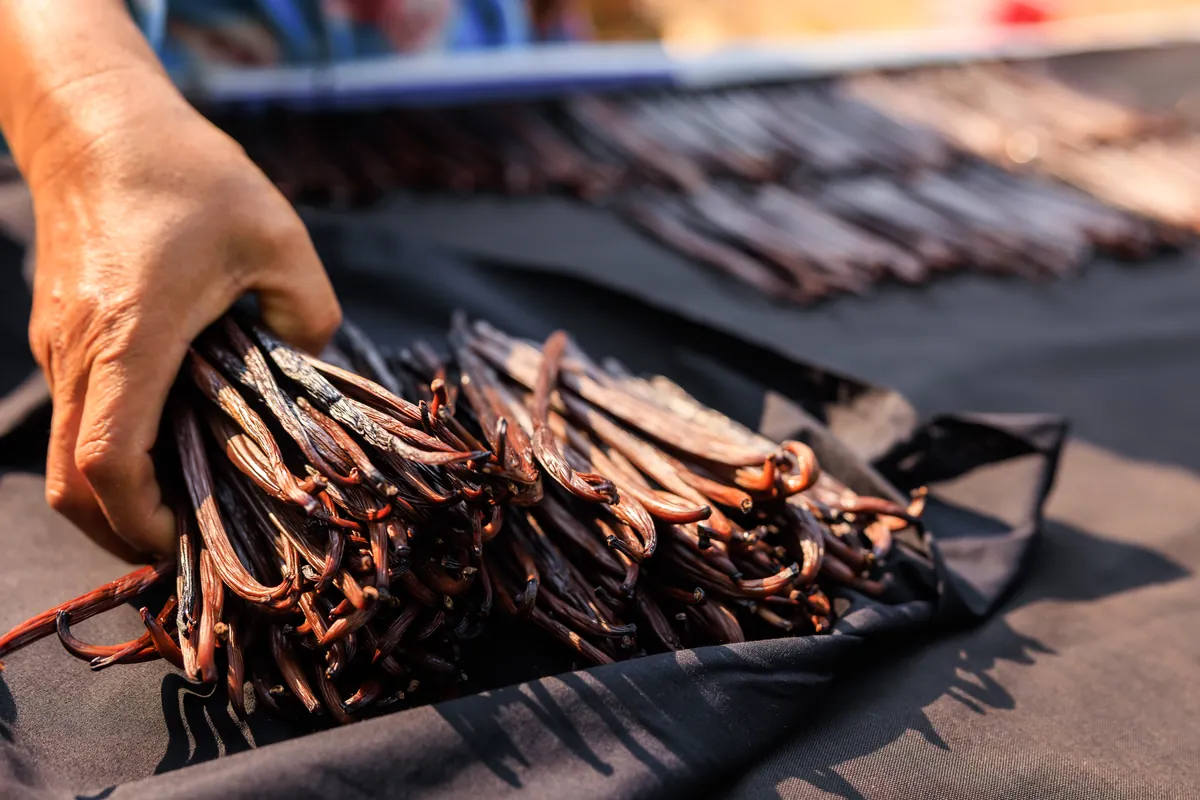 Perfumers push edible notes beyond sweetness.
He says that as fragrance exploded on social media, millions of newcomers started exploring it — and gourmands are the most accessible way in. “They often smell like things we already know and love: vanilla, caramel, coffee… I’ve seen many collectors describe starting with a gourmand obsession and gradually branching out from there.”
“From a psychology standpoint, familiarity strongly shapes which smells we enjoy, so more traditional styles like rich florals, fougères, and musks can take longer to fall in love with.”
Consumer research supports the familiarity effect Haugen describes. A Unilever survey of 2,000 adults found Gen Z gravitates toward sweet scents such as vanilla and strawberry. It also identified “smellmaxxing,” or layering scents to build a personal signature, as a rising behavior.
Edible notes are also moving beyond fine fragrance. Dove, Old Spice, and Native recently carried bakery-style fall scents into body wash, deodorant, and hair care.
“GLP-1 users will likely matter more over time as more people use them, but I see them as accelerating an existing trend rather than creating one,” says Haugen.
Where to win in gourmand
According to Haugen, fragrance brands and perfumers should treat gourmands as a serious, nuanced fragrance category, “the same way you would approach a chypre or a fougère.”
That means breaking the category down into distinct styles and investing in each one. 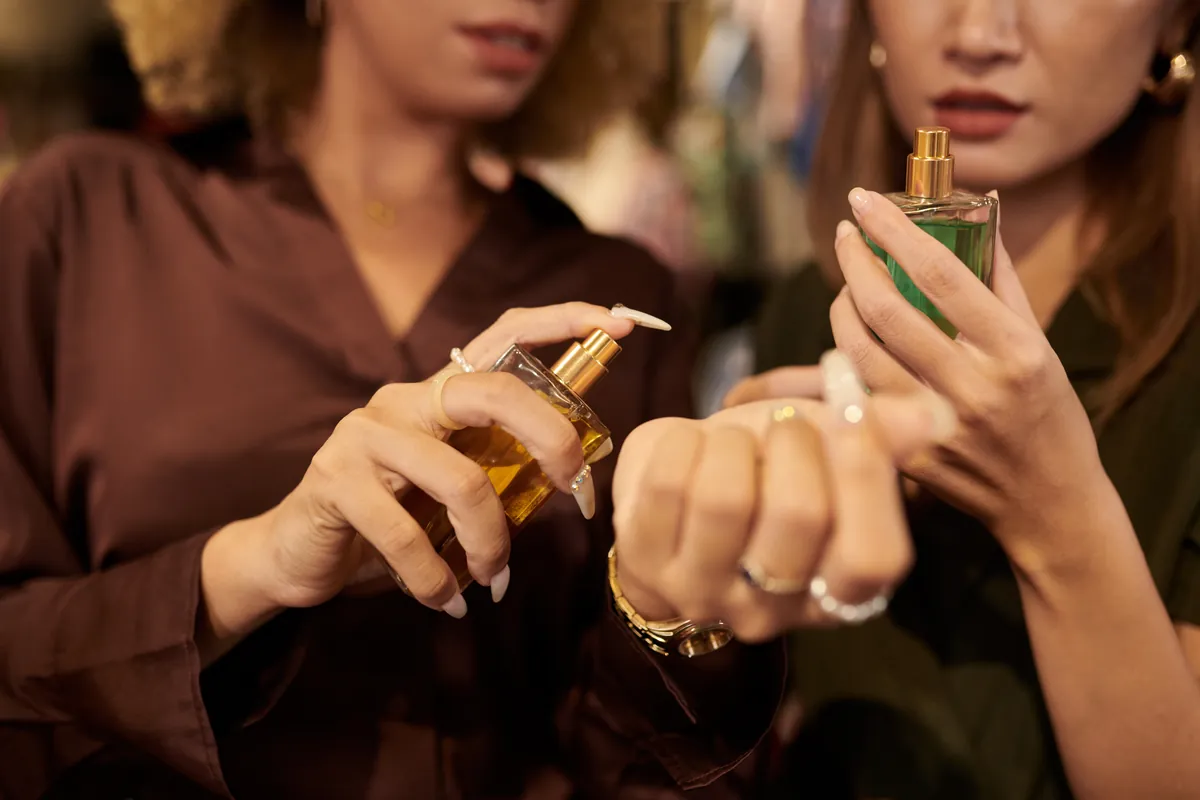 Fragrance houses study how GLP-1 users respond to scent.
“Gourmands aren’t just sugary desserts anymore. There are sweet desserts and savory desserts, naturalistic ingredient-driven scents built around notes like basil or tomato leaf, creamy lactonics, and the list keeps growing. Each of those deserves the same craft, structure, and creative ambition as any classic family,” he says.
Fragrance houses are already splitting the food-based fragrance category into distinct styles. In late September, CPL Aromas said gourmand perfumery is moving beyond sweetness toward savory, umami-led profiles inspired by Asian cuisine and fermentation. It presented concepts including Kimchi Cologne and Shiitake Essence at the Asia Perfume Show in Paris.
Meanwhile, Eurofragance has organized its Atelier Nova collection around four directions inspired by haute pâtisserie: Raw, Ferment, Contrast, and Indulge.
Haugen says that food being one of the strongest carriers of identity and memory gives brands a “huge” storytelling opportunity. “The best gourmands will be built around stories that make people feel something and concepts that spark curiosity, so a scent becomes an invitation to explore.”
“That may matter even more for consumers whose relationship with food is changing, because the memories and emotions tied to a food don’t go away, and fragrance is one way to keep enjoying them. Done well, that curiosity also leads people from one gourmand style to the next, and eventually into other fragrance families.”