



Preservation’s new prominence: Clariant on hybrid systems and regulatory pressure

Key takeaways
- Modern cosmetic preservation is shifting from conventional single-ingredient systems to hybrid, multifunctional solutions.
- Integrated preservation is becoming “commercially imperative,” especially in sensitive applications like baby care, sun care, and wet wipes.
- Tightening EU regulations and consumer scrutiny are forcing formulators to balance microbial safety, transparency, and ingredient traceability.

Cosmetic preservation is no longer invisible — safety, sustainability, and multifunctionality in the space are now non-negotiables. Clariant is leading a shift from conventional preservatives to hybrid, multifunctional systems that protect skin-sensitive categories such as baby care, sun care, and wet wipes, where regulatory scrutiny and consumer expectations converge.
The pressure to meet consumer demands and comply with regulations has forced cosmetic preservation to evolve. For Clariant, this has led to the development of antimicrobial systems that balance safety with function, and the company believes it is “at the forefront of developing effective and sustainable preservative technologies.”
Personal Care Insights speaks with Karolina Scierski, portfolio marketing manager for Preservation, who says that formulations are becoming leaner. She notes two shaping forces: tightening regulatory frameworks that restrict or limit the use of certain preservatives, and a growing consumer appetite for minimalistic INCI lists.
“Together, these pressures are fundamentally redefining what preservation means in modern cosmetics,” Scierski says, adding that brands can “no longer rely on well-established preservative systems without scrutiny.”
Consumers actively read labels, avoid flagged ingredients, and seek products eligible for recognized certifications such as halal or Natrue, a natural or organic certification standard for cosmetics.
Additionally, Gen Alpha is moving beyond hero actives to scrutinize the entire ingredient list, valuing transparency and formulation intent. This trend was also flagged to us in a recent interview with Symrise.
“The result is an industry-wide shift away from conventional preservation approaches toward solutions that are not only effective, but also consumer-acceptable and compliant within an increasingly demanding regulatory landscape,” adds Scierski.
New systems approach
Rather than swapping one preservative for another, formulators are turning to hybrid preservation systems that leverage synergies and complementarities between ingredients. This includes combining preservatives with multifunctional boosters and other components to achieve robust antimicrobial efficacy at reduced dosages, or even avoiding listed controversial preservatives altogether.
 Beauty consumers are looking for products that are natural, sustainable, and contain fewer listed preservatives.Scierski explains that this process is far from straightforward. “Botanical extracts, for instance, introduce plant-based sugars, proteins, and other compounds that increase the microbial nutrient load, while oils can trap preservatives and diminish their availability and efficacy — both are prime examples of the complexity formulators must navigate.”
“There is no one-size-fits-all solution,” she says.
Scierski believes that all effective strategies have a demand for a “significantly deeper” foundation in formulation science. This entails an understanding not only of what each ingredient does in isolation, but also how it interacts within “a complex and often unpredictable matrix.”
“In this context, every element of the product mix matters.”
Multifunctionality matters
For Clariant, multifunctional boosters have become key enablers of modern preservation strategies. Instead of increasing the dosage of a single active, they elevate formulation efficacy across multiple dimensions simultaneously. This enables the reduction or replacement of controversial preservatives while delivering benefits that extend beyond antimicrobial function.
The boosters may include emollient and solubilizing properties that improve skin feel and texture. They can also provide targeted sensorial experiences such as smoothness and spreadability, as well as contribute to sustainability targets.
Scierski says the industry should develop preservation systems that adapt to diverse product formats and application types. They should also act as genuine value creators that shape the consumer experience just as powerfully as any other component in the formula.
This perspective represents “a repositioning of preservation,” which, according to Scierski, is no longer a technical necessity operating invisibly in the background. Instead, it is an active formulation asset that simultaneously supports product performance, brand storytelling, and commercial differentiation.
Balancing antimicrobial efficacy
Modern preservation systems must also balance antimicrobial efficacy with sustainability and “free-from” claims in personal care products.
Scierski explains: “The answer lies in designing the preservation system as an integral part of a broader sustainability architecture. This should draw on alternative feedstocks and traceable supply chains, while still rigorously proving antimicrobial efficacy through challenge testing.”
According to Scierski, these systems are expected to satisfy three concurrent demands: robust microbial protection, meaningful sustainability credentials, and alignment with clean beauty claims.
“Efficacy and sustainability are no longer mutually exclusive,” she says. “When approached at a system level, preservation strategies can be designed to deliver high performance while fully reflecting brand values. This transforms preservation from a necessary compromise into a genuine differentiator in today’s transparency-driven market.”
Technical hurdles
Transitioning from conventional to hybrid or synergistic preservation systems is a shift that carries far greater complexity than it may initially indicate.
Scierski tells us that formulators must work within an increasingly constrained ingredient toolkit, while also navigating regional regulatory differences, evolving compliance requirements, and ever-shorter product development cycles.
“What makes this transition particularly demanding is that hybrid systems are still maturing. The industry is collectively building its understanding through hands-on experience. There are no established shortcuts, and a degree of trial and error is inevitable,” she says.
“Success requires more than ingredient knowledge, and formulators must develop a deep understanding of how components interact with one another within the formulation.”
The formulation environment itself also creates additional hurdles. High-natural formulations are inherently more susceptible to microbial growth, oils can physically sequester preservative molecules, and even modest pH fluctuations may erode the antimicrobial activity of key preservatives.
“Preservation systems must still deliver broad-spectrum efficacy against bacteria, yeast, and mold, withstand real-world contamination pressure, and pass standardized challenge tests,” continues Scierski.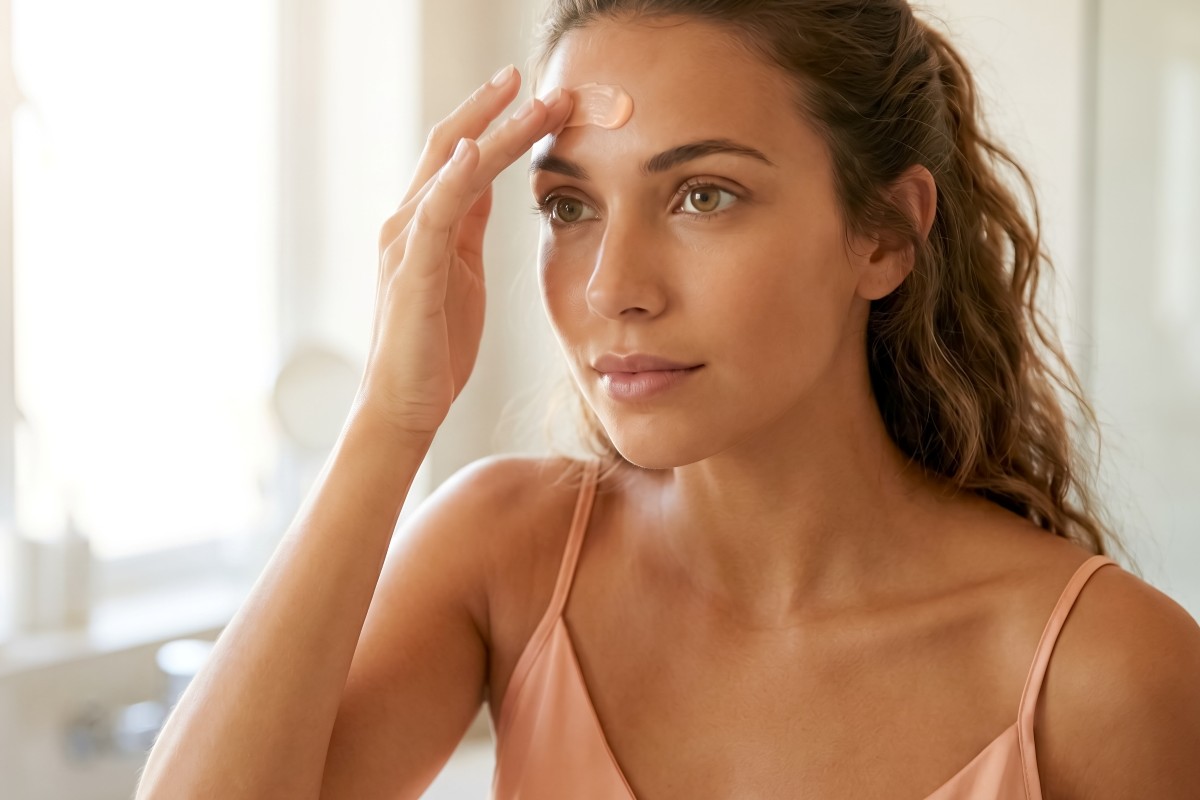 Consumers are becoming increasingly concerned about product safety and environmental impacts. As a result, there is a growing demand for “free-from” items that contain fewer listed preservatives.
The fact that some naturally derived preservation boosters still lack full regulatory clarity only narrows the available options further. Ultimately, this transition calls for a level of scientific depth and interdisciplinary thinking that goes well beyond what conventional formulation practice has traditionally demanded, Scierski underscores.
Future outlook
Scierski believes that the earliest adoption of integrated, hybrid preservation systems is likely to emerge in categories where safety sensitivity, regulatory scrutiny, and consumer demand for natural or skin-friendly formulations converge most strongly.
“Wet wipes, baby care, and sun care, for instance, are prime examples. Each is facing a distinct but overlapping combination of pressures that makes the transition to modern preservation systems not just commercially attractive, but increasingly non-negotiable.”
What these categories share is a consumer base that is highly ingredient-aware, a regulatory environment that is tightening, and a level of formulation complexity that makes conventional preservation approaches increasingly difficult to sustain.
“Where consumers demand transparency, regulators demand safety, and brands demand performance, integrated preservation systems are uniquely positioned to deliver on all three simultaneously. Across all of these areas, the common thread is clear: system-level preservation is no longer simply a technical aspiration; it is fast becoming a commercial imperative,” Scierski concludes.
Beauty consumers today are demanding more transparency and safety alongside tightening regulations. This consumer demand is being reinforced by regulatory action, which was highlighted last month when EU lawmakers agreed on a faster phase-out timeline for cosmetics containing carcinogenic, mutagenic, and reprotoxic substances.