



Symrise unpacks Gen Alpha’s favorite “invisible” ingredient


Key takeaways
- Gen Alpha is moving beyond hero actives to scrutinize the entire ingredient list, valuing transparency and formulation intent.
- Pentylene glycol delivers humectancy, antimicrobial support, and sensory enhancement in one multifunctional ingredient.
- Symrise says brands that translate ‘invisible’ ingredient science into clear consumer value will lead with the AI-literate generation.

Pentylene glycol is emerging as a quiet cult favorite among Generation Alpha. Unlike previous generations that have focused on headline actives, Gen Alpha shows growing curiosity toward the full INCI list. These young beauty buyers are valuing multifunctional “invisible enablers” that support efficacy, tolerability, and formulation integrity.
Generation Alpha’s expectations for cosmetics are being shaped by early ingredient literacy, digital nativity, and a strong demand for safety, simplicity, and transparency.
Symrise says pentylene glycol’s ability to combine cosmetic ingredients enhancement, humectancy, sensory enhancement, and antimicrobial support in a single, well-tolerated ingredient enables streamlined, low-irritation formulations. The ingredient is also said to reinforce clean, microbiome-conscious, and reduce reliance on traditional preservatives.
The German company predicts that ingredients that work quietly and intelligently will gain greater importance for Gen Alpha.
Willian Calderon, global product manager, Micro Protection at Symrise, discusses with Personal Care Insights how unsung multifunctionals are becoming better understood with young shoppers. He explains how broader formulation awareness can create new opportunities for ingredients such as pentylene glycol to gain appreciation for its ability to support and strengthen cosmetics.
How is Gen Alpha changing the conversation around cosmetic formulations compared to previous generations?
Calderon: Gen Z transformed beauty by making ingredient literacy mainstream. They brought once-technical terms such as retinol, niacinamide, vitamin C, and salicylic acid into everyday conversation, pushing brands to explain not only what’s inside a product, but what those ingredients are meant to do. That shift changed the rules of beauty communication: consumers don’t want promises alone — they want mechanisms, benefits, and proof.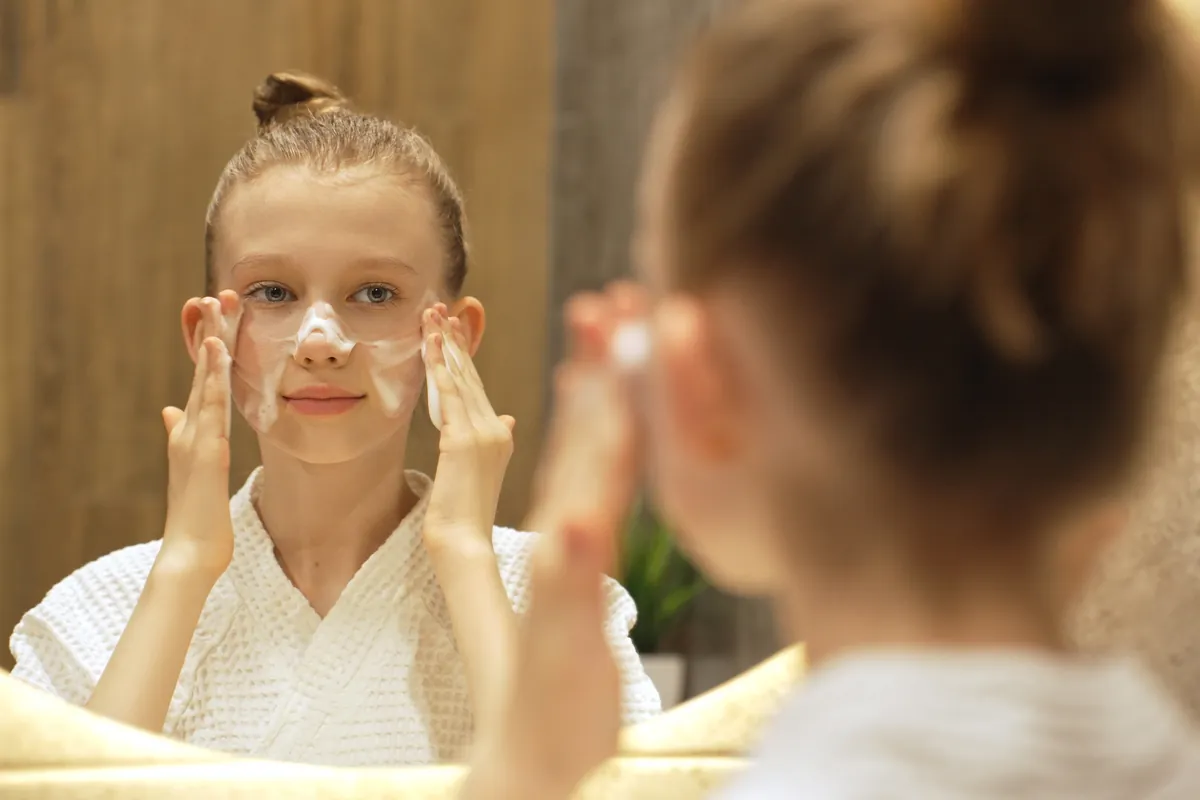 Symrise postulates that pentylene glycol is gaining cult status among Gen Alpha beauty buyers.
As Gen Alpha is growing up with AI as an embedded layer of daily life, this expectation will become even more important. Instant, personalized, and interrogable information will be increasingly the default. Beauty will not be exempt from that mindset. Product claims, ingredient choices, safety narratives, and performance stories will increasingly be questioned, compared, and decoded in real time.
A Gen Alpha consumer may compare two moisturizers not by reading the front-of-pack claim, but by asking an AI tool to evaluate efficiency, evidence, sensorial profile, irritation potential, and relevance to their individual skin needs. In that sense, the standard for formulation intelligence will be raised.
How does early ingredient literacy in Gen Alpha shape formulation strategies?
Calderon: Increasingly, formulas are not judged only by what they include, but by how intelligently every ingredient has been selected, combined, and justified. Immediate access to technical information, AI-powered comparison tools, and a much greater ability to question product narratives will give consumers the ability to be more fluent in asking the right questions about the products they use.
For formulators, this raises the strategic bar. In terms of antimicrobial-conscious formulation, it will mean designing safe, smarter systems that protect the product while respecting the consumer’s demand for transparency and skin compatibility. The biggest shift is that consumers will increasingly start reading ingredients as evidence of formulation intent, rather than simple inventories.
What makes multifunctional “invisible” ingredients particularly attractive to this demographic?
Calderon: For a long time, multifunctional ingredients have remained the quiet architecture of cosmetic formulas: essential to performance, but largely invisible to consumers. They are rarely the ingredients placed at the center of a product story. Consumers may recognize retinol, niacinamide, or vitamin C, but they are less likely to choose a product because of its preservation system, emulsifier, solubilizer, or humectant booster.
As consumers are moving from ingredient awareness to formulation intelligence supported by AI, the value and understanding of these ‘invisible’ ingredients will become more relevant. Modern formulation is no longer about assembling single-function components around a hero active. It is about building smarter systems, where every ingredient earns its place by contributing to performance, stability, sensoriality, safety, or efficacy.  Gen Alpha is increasingly paying attention to the full INCI list, not just front-of-pack claims.
How should brands communicate these “invisible” ingredients to appeal to both informed consumers and a broader market?
Calderon: For years, beauty communication has been built around the ingredient that carries the claim. The next step is to explain the system behind the claim: Why the formula was built this way, how supporting ingredients contribute to performance, and what makes the product more effective, more stable, more sensorial, or more suitable for the consumer.
This is where ‘invisible’ ingredients can become powerful storytelling assets. Explaining how a carefully chosen humectant improves skin comfort, how a multifunctional solvent supports active performance, or how a preservation strategy protects both product safety and user experience helps consumers see that efficacy is not created by one ingredient alone. It is created by the precision of the whole formula.
For informed consumers, this provides depth. For the broader market, it provides reassurance. The opportunity is not to overload people with technical detail, but to translate complexity into clear value: comfort, safety, sensoriality, stability, and performance. The brands that win will be those able to make the invisible science behind their formulas understandable, credible, and desirable.
How does pentylene glycol support multiple benefits simultaneously?
Calderon: For years, the beauty conversation has been dominated by known actives: the ingredients consumers can name, search, and associate with a clear benefit. But the real intelligence of a formula also includes the ingredients that do not lead the marketing story, yet quietly determine how well the product performs.
One of pentylene glycol’s most interesting strengths is its low surface tension. It can support better spreading on the skin, help ingredients distribute more evenly within the formula, and contribute to overall formulation stability. It also helps create a more refined sensory profile, improving the way a product glides, absorbs, and feels during use. Low surface tension is precisely the kind of quiet functionality that elevates the entire product experience.
Pentylene glycol’s humectant profile adds another layer of value. It can attract and bind water, helping support moisture retention in the stratum corneum while contributing to a pleasant, non-tacky skin feel compared with some more traditional humectants. At the same time, it can support antimicrobial systems, helping formulators design products that remain safe and stable while responding to the growing demand for more thoughtful, microbiome-conscious preservation strategies.  Multifunctional ingredients are the quiet architecture behind modern formulas.
This is why pentylene glycol is more than a supporting ingredient. It is a marker of where modern formulation is heading — toward ingredients that deliver multiple benefits at once, make formulas more efficient, and help transform technical choices into consumer-relevant performance.
What are the biggest opportunities for innovation for Gen Alpha?
Calderon: The biggest innovation opportunity sits in a very clear space: turning formulation complexity into consumer relevance. Ingredient transparency alone is no longer enough if it simply exposes a list of names. Consumers want brands to translate science into concepts that feel useful, tangible, and connected to real needs. That is where multifunctional actives can become powerful: they allow brands to tell a more complete story about efficacy, sensoriality, protection, balance, and formulation intent.
A strong example is Hygienification of Beauty, identified by Symrise as a major shift in personal care. The idea reflects the movement of modern hygiene principles such as protection, balance, and prevention beyond cleansing and into daily leave-on beauty products. It speaks to a broader evolution in skin care — from a corrective mindset toward a more preventive one, where products are designed to help support skin comfort, balance, and resilience over time. Innovation will not only come from adding new cosmetic ingredients; it will come from designing smarter systems and communicating them with precision.