

Actives evolve around consumer wellness and performance expectations

Key takeaways
- High-performance active ingredient development is driven by personalized, science-backed skin care.
- Consumers prioritize wellness, microbiome support, and multifunctionality in topical and ingestible beauty products.
- Sustainability, transparency, and clinically proven efficacy are now essential for ingredient selection and brand trust.
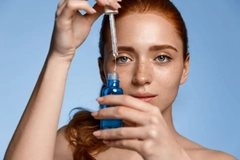
Active ingredients are essential in personal care formulations. They are a make-or-break when it comes to product performance and brand perception, especially in an era where consumers are more educated and scrutinizing than ever before.
Innova Market Insights data indicates that high-performance actives are gaining momentum as consumers embrace science-led skin care.
According to the market researcher’s 2026 trends, consumer curiosity is driving experimentation with advanced lab-grown ingredients and next-generation botanical actives, blending biotechnology with nature for more targeted, results-driven formulations.
Personal Care Insights speaks to Givaudan Active Beauty, Ingredients + Specialties from Univar Solutions, and TriNutra about how the industry is undergoing a transformation, driven by evolving consumer expectations and technological advancements in the sector.
Claudia Barba, technical services manager, Beauty and Personal Care, North America at Ingredients + Specialties from Univar Solutions, tells us that several macrotrends are directly contributing to the increased demand for high-performance active ingredients.
Wanting active wellness
Consumers now look for their actives to deliver visible skin benefits and overall well-being.
“We see a growing interest in actives that support skin health, resilience, and emotional balance,” Fabrice Lefevre, marketing and innovation director at Givaudan Active Beauty, tells us.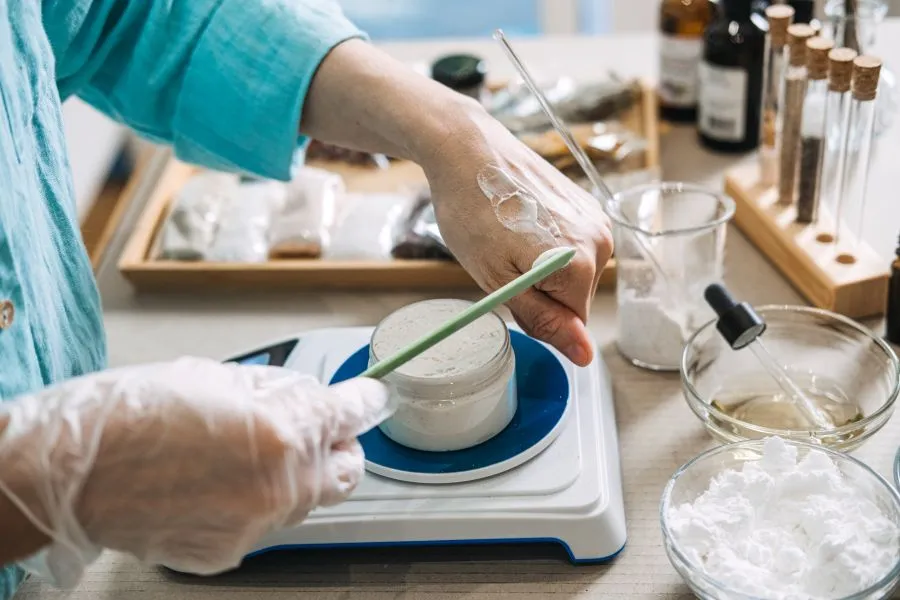 Science drives personalized skin care solutions.
Barba also agrees that the wellness approach to beauty is influencing active ingredient development. She echoes that the integration of beauty with holistic wellness is driving interest in actives that support overall skin health.
Speaking about microbiome-friendly ingredients, she says established actives like niacinamide, peptides, ceramides, and retinoids are being repositioned within a broader health-focused framework, targeting not only visible concerns, but also skin function and resilience.
Relating to emotional balance — like Lefevre details — Barba adds that sensory-enhancing ingredients and stress-related skin solutions (e.g., adaptogenic extracts, soothing agents) are also gaining importance.
Notably, the inside–out beauty approach is becoming impossible to ignore as it reverberates throughout the industry.
Liki von Oppen-Bezalel, chief scientific officer and business development director at TriNutra, says the ingestible beauty category is evolving well beyond trend-driven formulations toward clinically studied, multifunctional ingredients that support visible beauty outcomes and wellness.
“We are seeing increased focus on ingredients that may help support skin, scalp, and hair integrity; antioxidant defenses; a healthy inflammatory response; mitochondrial function; energy production; and overall cellular resilience through targeted mechanisms of action,” she explains.
We also see a tight link between high-performance topical actives and their ingestible companions, especially for proven efficacious combinations for beauty from the inside and out.
Lefevre adds that high-performance active ingredients are the new heroes in personal care — sometimes even more so than brands themselves.
Tech drives personalized formulations
The strong shift toward personalized beauty is one of the most influential drivers of emerging active ingredients. Barba believes that consumers increasingly expect products tailored to their individual skin and hair profiles.
The personalization trend is enabled by technological advancements. AI-based diagnostics, digital skin analysis tools, and algorithm-driven product recommendations are now permeating all aspects of ingredient development.
“Formulators are developing actives with targeted efficacy and compatibility across different skin conditions, such as customizable blends of humectants, barrier lipids, and anti-inflammatory agents,” says Barba.
She also suggests that the emergence of integrated treatment systems drives personalized active creation. The technical services manager from Ingredients + Specialties from Univar Solutions exemplifies LED therapy devices combined with topical formulations that can help enhance and sustain treatment outcomes.  High-performance actives boost skin wellness.
“The demand for high-performance actives is being shaped by the convergence of personalization, sustainability, wellness, and scientific validation. Innovation is focused on developing ingredients such as peptides, ceramides, biotech-derived actives, and microbiome-supporting systems that deliver clinically proven, multi-functional, and sustainable performance, aligning with the evolving expectations of both consumers and formulators.”
Lefevre agrees that people expect products tailored to their unique skin types, tones, and lifestyles. “Add to that the increasing influence of science — consumers trust performance proven by research and clinical data.”
He adds that the blurring of skin care and other segments like sun care or makeup — the “skinification” trend — means actives must perform effectively in hybrid or multifunctional formulas.
Lefevre says that biotechnology is completely changing the game. “Imagine harnessing the precision of science to recreate nature’s most powerful molecules sustainably. Fermentation technology, for instance, is delivering incredibly pure and consistent actives with a lower environmental footprint,” he details.
“We are the first ones bringing to the market biotech-based alternatives to the biggest blockbusters: bisabolol, squalane, hemisqualane, and more to come soon.
“AI is speeding up discovery and helping predict how ingredients will perform long before they hit the lab bench. We’re also developing smart encapsulation systems (VectorHyal) that release actives exactly when and where the skin needs them. It’s a thrilling intersection of biology, tech, and intuition.”
Anti-aging and longevity
Despite the steady shift toward embracing natural aging, anti-aging remains a primary claim in high-performance active ingredients. However, it is, and has been, evolving toward healthy aging and longevity.
Lefevre calls anti-aging a timeless story. “But the message is shifting toward celebrating the skin’s natural rhythm, what we now call ‘healthy aging.’ It’s less about turning back time and more about keeping skin strong, supple, and radiant. This concept has been elevated thanks to the recent scientific discoveries on longevity.”
Ingredients + Specialties from Univar Solutions explains that suppliers are prioritizing actives such as peptides, retinol/retinol alternatives, and antioxidants (e.g., vitamin C derivatives) that help target multiple aging pathways, including collagen synthesis, oxidative stress, and cellular renewal.
Barba says that longevity directly ties into hydration and barrier function enhancement.
“Hydration is increasingly linked to barrier repair and maintenance. Ingredients such as hyaluronic acid (including low molecular weight forms), glycerin, ceramide precursors, and lipid-replenishing complexes are widely used to help improve water retention, reduce TEWL (transepidermal water loss), and strengthen skin structure.”
Increasing microbiome interest
According to Lefevre, hydration and barrier support are essential in a world of constant stressors — from climate change to endless screen time — which has led to the microbiome capturing everyone’s imagination.
“It’s fascinating to think that our skin has its own living ecosystem. Givaudan Active Beauty was first to launch an active ingredient acting on the microbiome that prevents aging and contributes to skin health (Evernityl),” he says. 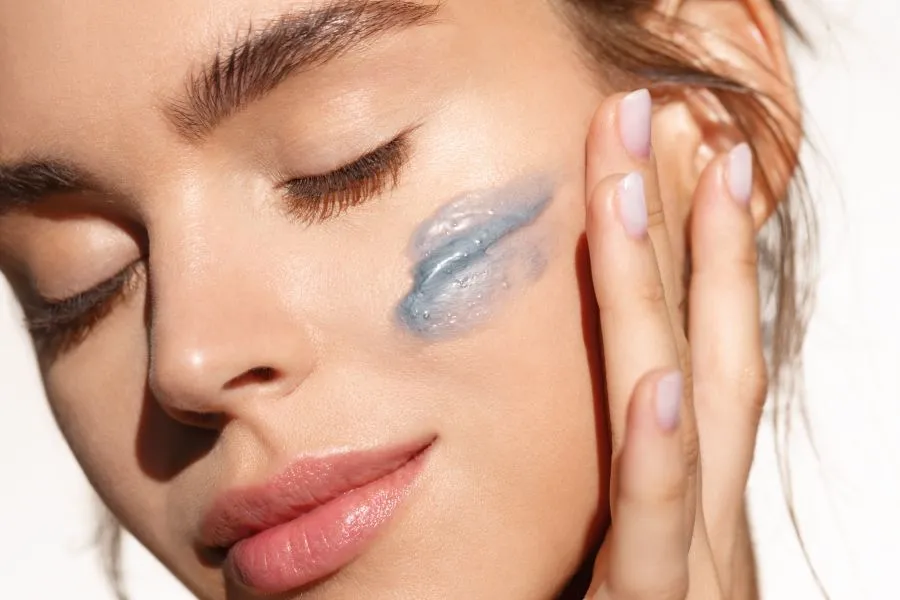 Botanical ingredients are meeting biotechnology innovation.
Barba adds that microbiome-related claims are expanding, with actives such as prebiotics, postbiotics, and fermentation-derived ingredients designed to maintain or restore microbial balance. “These ingredients help contribute to improved skin tolerance, reduced sensitivity, and enhanced barrier function.”
TriNutra’s von Oppen-Bezalel is also in agreement with the burgeoning interest in actives that address the skin microbiome. “There is increasing convergence between topical and ingestible beauty categories, particularly among edible ingredients, with research supporting microbiome eubiotic (balance) effects,” she says.
Multifunctionality is a must
Active ingredients are moving away from single-benefit products toward multifunctional formulations designed to support broader wellness systems.
Von Oppen-Bezalel says there is growing recognition that skin and hair health are closely connected to factors such as oxidative stress, inflammation, sleep quality, stress resilience, gut health, and overall metabolic balance. She explains that this systems-based understanding is influencing formulation strategies and consumer expectations.
“Rather than taking multiple isolated products, consumers are increasingly seeking science-backed ingredients that support multiple interconnected pathways simultaneously,” she states.
“This is one of the reasons multifunctional botanical actives such as B’utyQuin are gaining attention. Ingredients that can support beauty-focused applications with complementary benefits to topical and ingestible beauty, while also contributing to broader wellness goals, are increasingly shaping the future of high-performance ingestible formulations.”
Sustainable and ethical considerations
Sustainability is now woven into every conversation about beauty and increasingly integrated into performance positioning.
Barba at Ingredients + Specialties from Univar Solutions says sustainability and ethical considerations are now central to ingredient selection.
“Suppliers highlight actives with high natural origin index, biodegradability, and low environmental impact, while helping deliver efficacy comparable to conventional ingredients.”
“There is growing demand for high-performance actives derived from renewable or biotech sources, such as fermentation-derived hyaluronic acid, biosynthetic peptides, and plant-based emollients.”
Barba highlights that formulators should also ensure that these ingredients meet performance expectations traditionally associated with synthetic actives.
Lefevre explains that upcycled ingredients are being used to create high-performance active ingredients. .webp) Wellness-focused formulations support healthy skin.
Wellness-focused formulations support healthy skin.
“Scientists are turning to nature’s leftovers — upcycled fruit peels, seeds, or plant waters — and transforming them into powerful actives. Clean label doesn’t mean less performance, it means more honesty.”
He asserts that storytelling has become as important as the formula itself. He details that essential questions are: Where did the ingredient come from? How was it sourced?
“Consumers value transparency and care about ingredients that tread lightly on the planet.”
Science-based and clinically validated efficacy
The level of sophistication around consumer and retailer expectations has changed significantly over the years. Von Oppen-Bezalel says that today, people want to understand not only what an ingredient is, but mostly how it works, how fast one can see results, and what level of scientific substantiation supports it. “Those expectations extend equally across topical and ingestible formulations.”
The increased demand for proven efficacy puts brands under greater pressure to deliver transparency, formulation quality, and clinically relevant data rather than relying solely on trend positioning or marketing language.
Von Oppen-Bezalel predicts the companies that will stand out are those able to combine scientific credibility with clear consumer messaging and a compelling story.
“We are seeing stronger alignment between ingestible beauty and the evidence standards historically associated with topical personal care. This shift is helping elevate the category overall. It is no longer enough for a product to simply be ‘natural’ or trend-driven,” she says.
Givaudan’s Lefevre concludes: “If I could sum [the active ingredients sector] up, the industry is moving toward ‘conscious performance.’ It’s no longer enough for an active to deliver quick results; it must also tell a responsible story — one rooted in sustainability, transparency, and emotional connection.”