




Colgate-Palmolive and WHO spread smiles globally through oral health education

Key takeaways
- Colgate-Palmolive partners with the WHO Foundation to enhance oral health education and integrate oral care into global health systems.
- The collaboration prioritizes preventive measures and aims to ensure universal access to oral health by 2030.
- The initiative promotes cross-sector engagement and policy integration to raise global awareness of oral health.

Colgate-Palmolive has partnered with the World Health Organization (WHO) Foundation to support the UN agency’s efforts to improve oral health globally. The funding commitment spans over four years and aims to expand oral health education, more effectively integrate oral health into national health systems, and place a focus on oral health as a public health matter.
The WHO calls oral health diseases some of the most prevalent and overlooked noncommunicable diseases, with 3.7 billion people impacted globally.
The partnership comes as an addition to Colgate’s decades-long efforts to improve oral health. Since 1991, Colgate-Palmolive has provided free oral health education, screening, and products to approximately two billion children and their families worldwide through its Bright Smiles, Bright Futures program.
To increase oral health literacy and awareness, the partnership will follow WHO frameworks, such as the Global Strategy and Action Plan on Oral Health.
The action plan aims to achieve universal health coverage in oral care by 2030, ensuring access without financial barriers. It focuses on preventive measures rather than curative ones and operates within a discourse of awareness and low-threshold access through primary health care providers. A key objective of the plan is to offer oral health care indiscriminately to marginalized communities.
“Aligned by a shared mission to transform global oral health for all, Colgate-Palmolive and the WHO Foundation are committed to advancing programming through education, policy, and awareness,” Esha Gupta, Colgate-Palmolive’s Head of Public Health and Social Impact, tells Personal Care Insights.
Oral care equitably WHO says oral health oversight is compounded by economic status, education, health literacy, and access to health care.
The WHO and Colgate-Palmolive are working with the existing national education infrastructures to embed oral disease prevention literacy for long-term outcomes. The program also funds research to help Ministries of Health create evidence-based, cost-effective recommendations for integrating oral health interventions into national health systems on the policy level.
The collaborators are also running “strategic, global, and cross-sector engagement to raise the profile of oral health and showcase the impact and outcomes of the partnership,” says Gupta, in reference to their intention to make oral health awareness a global standard.
With significant ties to overall health and childhood development, oral health is essential for well-being, yet it is often overlooked in many health care systems. The WHO says this oversight is further compounded by factors such as economic status, education, health literacy, and access to health care.
“Oral health is a critical — and too often overlooked — part of the global health agenda. We are committed to elevating oral health as a public health priority by scaling prevention and education and supporting evidence-based solutions that help strengthen health systems and improve lives across communities around the world,” says Ram Raghavan, president of Enterprise Oral Care at Colgate-Palmolive.
Global strategy and action plan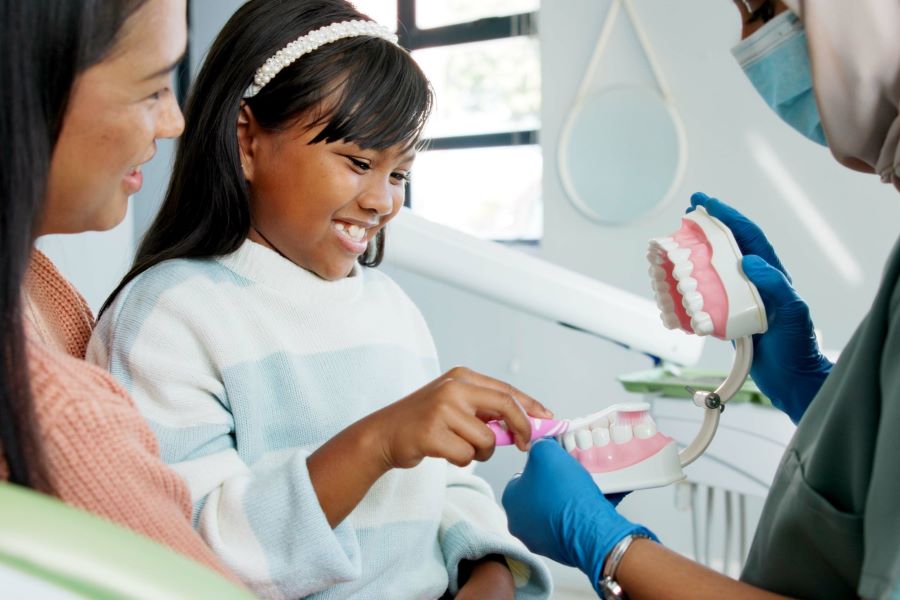 The plan calls for integrating oral health into broader health and social policies, offering nondiscriminatory access.
To integrate oral health into broader public health systems, Colgate-Palmolive and the WHO Foundation are implementing an action plan.
The plan iterates the necessity for improving oral care access in marginalized and vulnerable groups, for whom oral care may typically be out of reach and, at times, cause debilitating issues due to systemic neglect. The plan calls for integrating oral health into broader health and social policies, offering nondiscriminatory access.
The WHO Foundation stresses the importance of coordination and collaboration among member states, the private sector, civil society, and international organizations, and calls for regular monitoring and accountability for progress toward oral health goals.
“Rather than creating parallel programming, oral health will be government-led, embedded, and integrated into existing health infrastructure — such as primary care and school health systems. This approach will be government-led and will focus on priority regions with additional details determined throughout the collaboration,” says Gupta.
Measuring success
In relation to the nature of their partnership, Gupta discusses the need for collaboration between the public and private sectors to advance global health goals.
“Colgate-Palmolive and the WHO Foundation will continuously evaluate learnings as they relate to system-level integration throughout the multi-year partnership. Key areas of impact include the scale and reach of childhood education programming, integration of oral health into existing government infrastructures, and support of strategic, cross-sector engagement to raise the profile of oral health,” says Gupta.
While the two expect their four-year collaboration to uncover insights, the immediate short-term goals include scaling oral health education, supporting WHO-led technical guidance, and increasing prioritization by elevating oral health in global policy and public health conversations.