



Inside Consumer Reports’ braiding hair investigation: Researchers urge industry action on toxic exposure

Key takeaways
- Consumer Reports has found heavy metals and VOCs in most braiding hair products tested.
- The findings highlight disproportionate exposure risks for Black women, who are the primary users of these products.
- Researchers say safer alternatives exist but call for stronger regulation and industry action to reduce toxic chemicals.
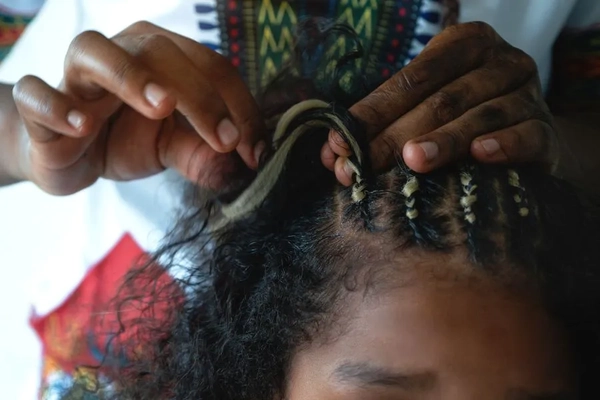
For the second year in a row, Consumer Reports (CR) has detected heavy metals and volatile organic compounds (VOCs) in popular braiding hair products. Braiding hair is widely used by Black women and girls, and may be worn for months at a time. CR says that since the hair is worn continuously and sometimes styled with heat, exposure can be cumulative.
The US non-profit’s follow-up investigation builds on its initial 2025 reporting on synthetic braiding hair safety, which found all samples contained dangerous chemicals. This go around, lead was detected in 29 out of the 30 products tested. According to the WHO, lead exposure is estimated to account for 33 million years lost to disability and death worldwide due to long-term effects on health.
Lead exposure is also the cause of 4.6% of cardiovascular disease and 3% of chronic kidney disease globally. Low blood lead concentrations are also associated with decreased intelligence, behavioral difficulties, and learning problems in children.
All of the products CR tested contained VOCs, including acetone, a respiratory irritant, and low levels of carcinogens.
Consumer Reports contacted the brands it tested for comment, of which several outlined steps to improve their testing protocols. However, others challenged CR’s methodology.
Some consumers may assume that human hair would be safer than synthetic options, but the CR research does not conclude the same. The organization found that the nine human hair products it tested contained significantly higher lead levels than the other categories. Even brands that made claims about safety or the quality of ingredients contained contaminants. However, some were at lower levels than many other products tested.
Despite the overwhelming evidence, the independent testing organization says cleaner options are possible.Consumer Reports detected toxic chemicals in braiding hair.
No heavy metals were detected in Dosso Beauty Hypoallergenic Kanekalon Fiber Braiding Hair. Consumer Reports says that brands with products that contain traces of these contaminants are committed to reducing them. Braiding hair brands like Dosso Beauty, New Village Braid, and Rebundle have actively supported introducing more policy into the highly unregulated market.
Personal Care Insights speaks to Dr. James E. Rogers, director and head of product safety testing, and Johnny Mathias, director of corporate strategy and engagement at CR, about how the synthetic hair industry should address the toxicity of its products.
How is demand for safer, non-toxic hair products influencing the synthetic hair industry?
Roger: Historically, the synthetic hair industry has been a high-volume market heavily tied to petroleum-based chemicals, which presents massive supply chain transparency challenges. However, as independent testing and studies continue to expose these hidden health risks, growing consumer awareness is forcing a much-needed transformation. Shoppers are leveraging their buying power to demand products free of toxic flame retardants, heavy metals, and VOCs, which in turn drives innovation.
We are already seeing safer alternatives emerge — for example, in our recent testing, Dosso Beauty’s hypoallergenic Kanekalon fiber tested negative for detectable heavy metals. As consumer demand for clean beauty grows, it will influence the broader industry to develop safer fibers and rigorously vet their raw materials.
What role do regulatory bodies and legislation play in ensuring consumer safety in the beauty and synthetic hair industry?
Rogers: Consumers rightly expect regulatory bodies to provide mandatory oversight of this industry. This must include setting strict limits on heavy metals and VOCs, enforcing those limits through independent testing, and requiring full ingredient disclosure on product labels.
Both FDA oversight and federal and state-level legislation — like New York’s Beauty Justice Act and the Federal Safer Beauty Bill Package — would be vital tools to ensure consumer safety and health. While we encourage manufacturers to test their own products to keep them free of harmful contaminants, we need robust, enforceable standards to hold the entire industry accountable. 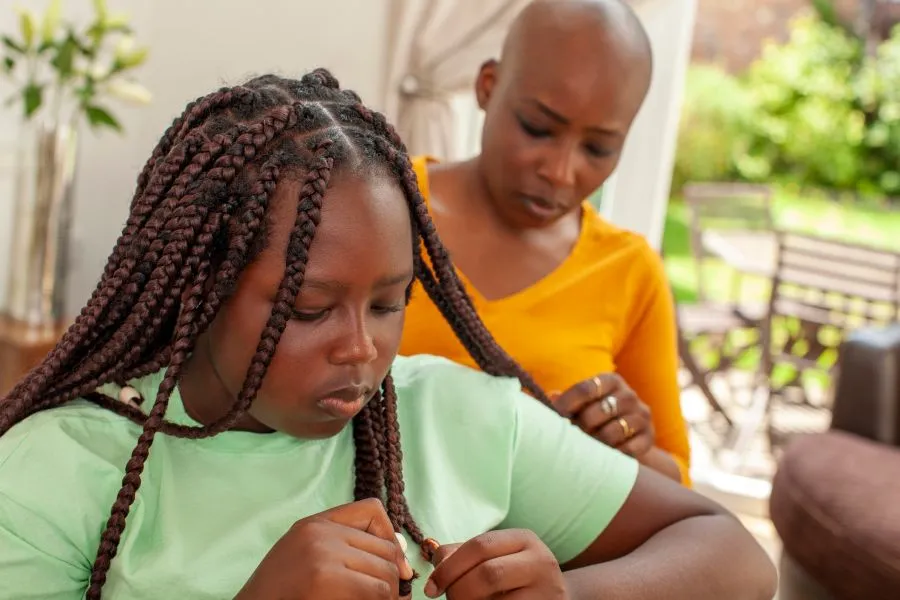 Most braiding hair products tested contained contaminants.
What steps should manufacturers take to reduce heavy metals and VOCs in braiding hair?
Mathias: Manufacturers need to take these testing results very seriously, and we want to work with companies to improve the marketplace for consumers. To address heavy metals and VOCs in braiding hair, CR recommends the following steps:
- Sourcing review: Conduct a thorough review of sourcing, including an immediate request to suppliers for raw materials confirmed to be free of lead and heavy metals at lower maximum detectable limits.
- Manufacturing audit: Audit manufacturing processes to strictly eliminate or reduce usage and exposure to VOCs, including benzene.
- CR recommended testing methods: Conduct regular testing of finished products by an independent, ISO-certified laboratory. CR recommends using validated methods.
- Validation: Share these new testing results with Consumer Reports for our review and validation.
- Report: Publish these results transparently for consumers on your website.
- Repeat: Continue testing on a regular basis, such as twice annually, to ensure maintained safety.
How can transparency and collaboration improve consumer safety in the synthetic hair industry?
Mathias: Collaboration is key to improving the marketplace for everyone. When a company learns how to deliver products free from heavy metals and VOCs, it should share that knowledge with industry peers to raise the bar marketplace-wide. For consumers, the best next step is to use available testing data to make healthier choices and call for this level of transparency from their favorite brands.
Toxicity evidence mounts
CR’s findings align with a recent Silent Spring Institute study of 43 hair extension products, which uncovered 48 toxic chemicals in all but two samples.
The extensions were found to contain toxic organotins, flame retardants, phthalates, and other substances linked with cancer and other adverse health effects. The harmful substances found in these hair extensions disproportionately affect Black women, as they are the main consumer base for these products.
According to the Silent Spring Institute, over 70% of Black women report wearing hair extensions at least once in the past year, compared with less than 10% of women from other racial and ethnic groups. Many wear them for cultural and personal reasons, as well as for convenience.
Many members of, or those advocating for, the personal care industry have pushed for safer cosmetics marketed toward Black women. The demographic has been shown to face disproportionate health risks from the toxicity of personal care products marketed to them.
Some US lawmakers are pushing to mitigate the harm people are exposed to through personal care products. The Safer Beauty Bill Package works to ban and regulate dangerous chemicals in personal care products, providing consumer safety — particularly for Black women. 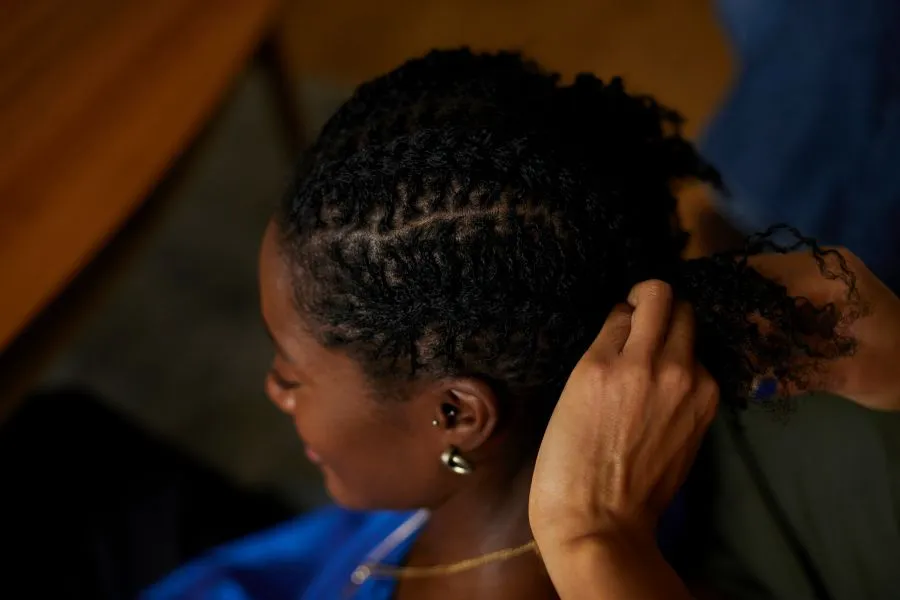 Lead was found in nearly all products tested.
The collection, including four federal bills, aims to remove cancer-causing ingredients from skin and hair care products. One of the bills focuses on Black hair care, pushing for investment in R&D for safer straightening and relaxing chemicals.
“For decades, the beauty products marketed to Black women and girls and found in our salons have contained toxic, unregulated chemicals — leaving us to disproportionately suffer from increased incidences of cancer, respiratory issues, and adverse reproductive outcomes,” said Congresswoman Ayanna Pressley.
The Safer Beauty Bill Package, reintroduced in 2025, remains under consideration in Congress and has not been enacted into law.